Dairy Foods logo
search
cart
facebook twitter linkedin youtube
  • Sign In
  • Create Account
  • Sign Out
  • My Account
Dairy Foods logo
  • NEWS
    • DAIRY REGULATIONS
  • PRODUCTS
    • New Products
    • Butter
    • Cheese
    • Cultured Dairy
    • Frozen Desserts
    • Ice Cream/Novelties
    • Milk
    • Non-Dairy Beverages
    • Sales Data
    • Whey, Milk Powder
    • Dairy Alternatives
  • INGREDIENTS
    • Cocoa
    • Colors/Flavors
    • Cultures/Enzymes
    • Fiber
    • Gums, Stabilizers, and Texturants
    • Inclusions
    • Omegas/Lipids
    • Prebiotics
    • Probiotics
    • Sweeteners
    • Other
  • OPERATIONS
    • SUSTAINABILITY
    • Equipment
    • Processing
    • Packaging
    • Food Safety & Sanitation
    • Membrane Technology
  • MEDIA
    • Dairy Foods TV
    • Podcasts
    • Webinars
  • DIRECTORIES
    • Buyers Guide
    • Dairy Plants USA
  • MEMBRANE FORUM
  • MORE
    • Associations
    • Dairy Foods' News & Views Newsletter
    • Blogs
    • Case Studies
    • Classifieds
    • Custom Content & Marketing Services
    • Dairy Foods Store
    • Market Research
    • Supplier Spotlights
    • Tradeshows and Events
    • Strategy Guides
  • AWARDS
    • Dairy Plant of the Year Award
    • Breakthrough Award
    • Dairy Processor of the Year
  • EMAGAZINE
    • eMagazines
    • Archive Issues
    • Contact
    • Advertise
    • SIGN UP!
    • Columnists
    • Dairy 100
    • State of the Industry Report
    OperationsPackaging Technologies-Dairy Processors

    Dairy brands choose flexible packaging over rigid, focus on recyclability

    Some manufacturers are choosing flexible over rigid packaging. Regardless of that choice, dairies insist on materials that can be recycled.
    By Hallie Forcinio
    Dairy brands choose flexible packaging over rigid, focus on recyclability

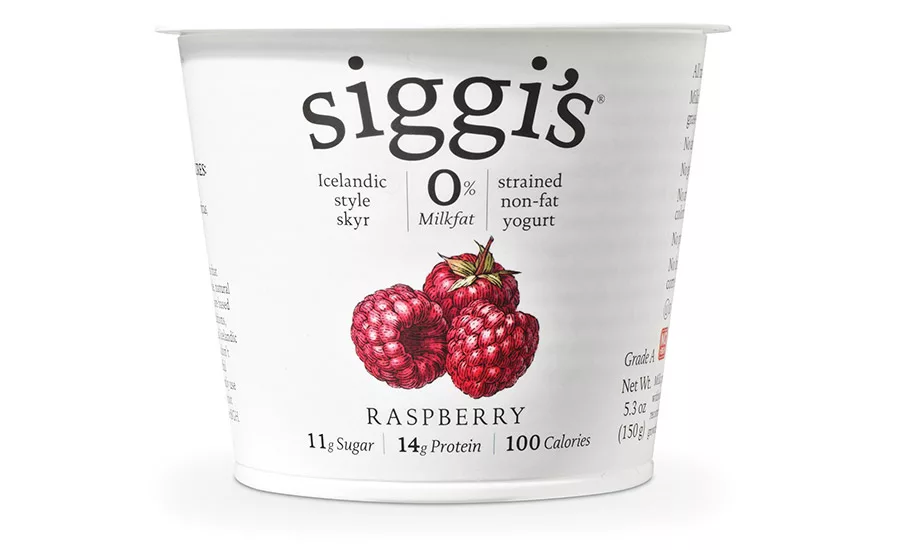
    Siggi’s yogurt cup is wrapped in paperboard that offers a surface suitable for high-quality printing. A perforated zip strip makes it easy to separate the wrap from the cup for recycling. The package uses K3 technology developed by Greiner Packaging International of Sattledt, Austria.
    Dairy brands choose flexible packaging over rigid, focus on recyclability

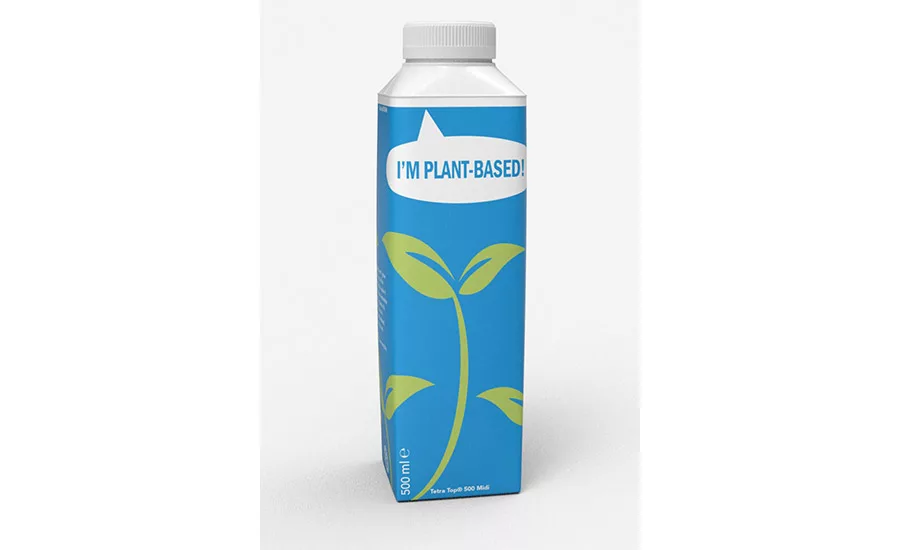
    Producing the cap and top from high-density polyethylene derived from sugarcane boosts bio-based content in the Tetra Top carton bottle to 80%. The main sleeve consists of FSC-certified paperboard.

    Dairy brands choose flexible packaging over rigid, focus on recyclability
    Dairy brands choose flexible packaging over rigid, focus on recyclability
    September 13, 2016

    Sustainable packaging materials reduce package weight, contain content from renewable or recycled sources and/or recycle easily.

    Since lighter packages also cost less to ship, many brand owners are exploring the possibility of transitioning from rigid packaging to flexible packaging. This trend appears to be strongest for products like yogurt or cottage cheese where there’s been some shift away from cups to pouches.

    However, cup packaging is losing weight and ticking the renewable and recyclable boxes, too. Packaging from a European supplier consists of a paperboard wrap and plastic cup. Siggi’s yogurt from the Icelandic Milk and Skyr Corp., New York, is using a package based on K3 technology developed by Greiner Packaging International of Sattledt, Austria.

    The paperboard feels good to the touch, insulates fingers from hot or cold contents, offers a surface suitable for high-quality printing on both sides and can be designed with windows or other features. Attention-grabbing effects can be imparted by foil lamination, embossing and hot-stamping. A perforated zip strip makes it easy to separate the wrap from the cup for recycling. The microwaveable and freezer-compatible dual-material package can be configured with barrier properties. Available in Europe for several decades, it is now produced in the United States at Greiner Packaging’s two-year-old operation in Pennsylvania. 

    The dual-material structure offers environmental advantages. Since the paperboard supplies rigidity and stability, the plastic cup, which can be round or nonround, can be lightweighted up to 50%. In some cases, a renewable bioplastic such as polylactic acid can be specified. Less plastic means lower carbon dioxide emissions during production. The paperboard is not only derived from a renewable source (wood fiber), but also can contain recycled content. In addition, it completely blocks light transmission, which could degrade the product.

    A better bottle

    Sustainability improvements also can be seen in cartons for fluid milk products. Composed primarily of paperboard, renewable content is high, and it’s possible to produce plastic portions of the package from renewable feedstocks. Tetra Pak Inc., Denton, Texas, supplies several renewable packages including the bio-based Tetra Top carton bottle and the Gable Top Bio-based carton, a U.S. version of the Tetra Rex Bio-based carton, introduced in January 2015 in Europe.

    The Gable Top Bio-based carton consists solely of plant-based materials. Paperboard and plastics ae derived from sugarcane. The carton is designed to be a drop-in replacement on existing gable top filling lines.

    Tetra Pak President and CEO Carmen Becker said “We believe that increasing the renewable content of our packages is not only good for the environment, but also offers our customers a competitive advantage.” Tetra Pak forecasts its global annual volume of fully renewable packages will reach 100 million in 2016.

    Cartons are not only renewable, but easily recycled by a growing segment of the U.S. population. According to the Carton Council, Denton, Texas, 58% of U.S. households have access to carton recycling; in 2009 only 18% could recycle cartons in their local programs.   

    KEYWORDS: dairy packaging flexible packaging packaging technology

    Share This Story

    Looking for a reprint of this article?
    From high-res PDFs to custom plaques, order your copy today!

    A veteran observer of the packaging industry, Hallie Forcinio frequently writes about new packaging technologies, equipment and environmental issues. 

    Recommended Content

    JOIN TODAY
    to unlock your recommendations.

    Already have an account? Sign In

    • Lifeway Organic Kefir in different flavors inside a refrigerated grocery shelf.

      Dairy Foods names Lifeway Foods 2025 Processor of the Year

      Lifeway Foods donates $10,000 to wildfire victims,...
      Dairy Processor News
      By: Brian Berk
    • Two female farmers are standing in a field, holding a large milk canister, looking at several cows at dairy farm.

      Honoring Women Leaders Shaping the Dairy Industry

      For the fourth consecutive year, Dairy Foods is proud to...
      Innovation
      By: Barbara Harfmann
    • Main feature for State of the Industry with dairy products album cover with a gradient circular--patterned backgorund.

      2025 State of the Dairy Industry

      Welcome to the 2025 State of the Industry report. For...
      Dairy Foods & Beverages
    Manage My Account
    • eMagazine Subscription
    • Dairy Foods News & Views Newsletter
    • Online Registration
    • Manage My Preferences
    • Subscription Customer Service
    • Connect with Dairy Foods

    More Videos

    Popular Stories

    Close up of man adding Greek yogurt while preparing healthy smoothie in the kitchen.

    An expert guide to dairy and GLP-1 receptor agonists

    Splash of milk in form of arm muscle. 3D illustration.

    Protein: The Powerhouse of Health and Wellness

    Grilling foods

    Dairy’s Enduring Moment: Why Resilience and Renewal Define Today’s Dairy Story

    Nominate your product for the 2026 Dairy Foods Product of the Year!


    MTF webinar


    Food Safety webinar

    Events

    July 8, 2026

    Membrane Purification Enables Clean Beauty Actives

    The global cosmetics market is undergoing a major shift towards the use of natural bioactive ingredients as consumers grow more skeptical of traditional formulations and demand greater transparency and sustainability.

    July 8, 2026

    Advancements in RO for Dairy Processing

    Reverse osmosis (RO) membranes are well established in dairy processing but continue to evolve to improve performance, reduce energy use, and increase operational longevity. 

    View All Submit An Event

    Products

    Probiotic Ice Cream: Science and Technology

    Probiotic Ice Cream: Science and Technology

    See More Products
    health and wellness


    plant of the year

    Related Articles

    • Dairy brands focus on clean labels with new packaging

      See More
    • Dairy brands turn to flexible packaging

      See More
    • Flexible packaging boosts sales

      Flexible packaging boosts sales

      See More

    Related Products

    See More Products
    • two world.jpg

      The Potential Effect Of Two New Biotechnologies On The World Dairy Industry

    • 9781771887656.jpg

      Nanotechnology Applications in Dairy Science Packaging, Processing, and Preservation

    • GlobalData_Consumer.jpg

      Category Packaging Opportunities: Dairy

    See More Products
    ×

    Stay ahead of the curve. Unlock a dose of cutting-edge insights.

    Receive our premium content directly to your inbox.

    SIGN-UP TODAY
    • RESOURCES
      • Advertise
      • Contact Us
      • Directories
      • Store
      • Want More
    • SIGN UP TODAY
      • Create Account
      • eMagazine
      • Newsletter
      • Customer Service
      • Manage Preferences
    • SERVICES
      • Marketing Services
      • Reprints
      • Market Research
      • List Rental
      • Survey/Respondent Access
    • STAY CONNECTED
      • LinkedIn
      • Facebook
      • YouTube
      • X (Twitter)
    • PRIVACY
      • PRIVACY POLICY
      • TERMS & CONDITIONS
      • DO NOT SELL MY INFORMATION
      • PRIVACY REQUEST
      • ACCESSIBILITY

    Copyright ©2026. All Rights Reserved BNP Media, Inc. and BNP Media II, LLC.

    Design, CMS, Hosting & Web Development :: ePublishing