Tangled up in blue (and other natural colors)
There was a bumper crop of naturally derived blue colors at this summer’s IFT Expo. Suppliers tell how they help dairies formulate with clean-label colorants that also perform effectively in application.
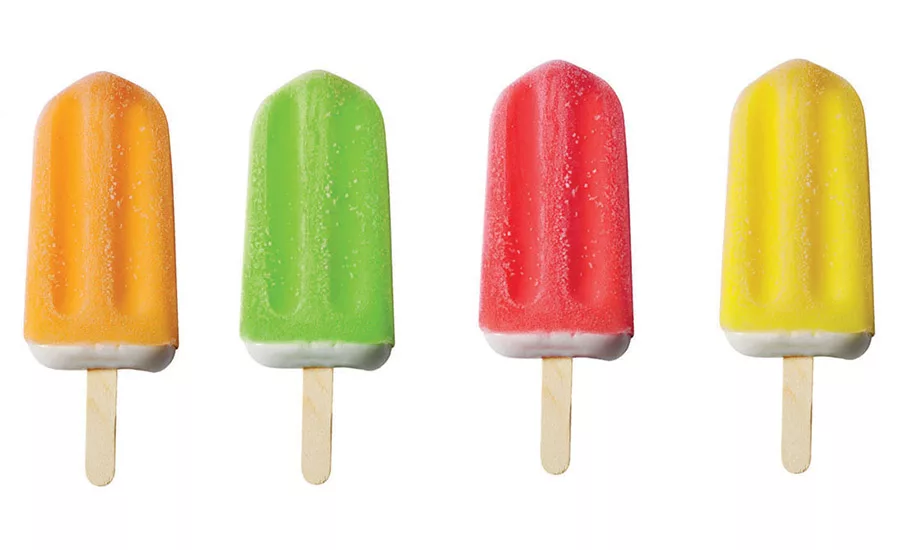
When food scientists transition a recipe from synthetic to natural colors, they need to consider how heat, light, pH, storage and packaging affect the new ingredient’s function in the final product, says a specialist at color supplier DDW.
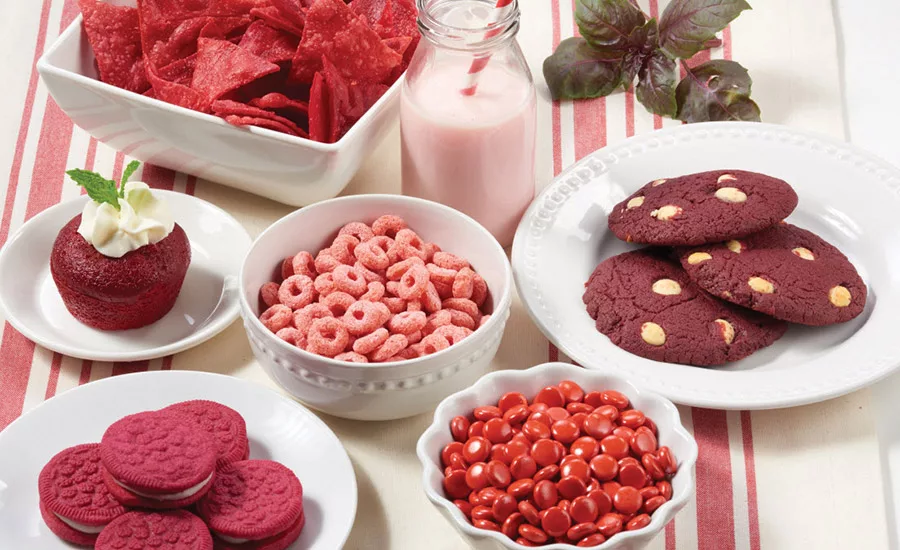
SupraRed from Sensient Colors is a heat-stable natural red coloring made from vegetable juice. The ingredient typically requires a lower usage rate, meaning it can reduce cost-in-use, according to the company.
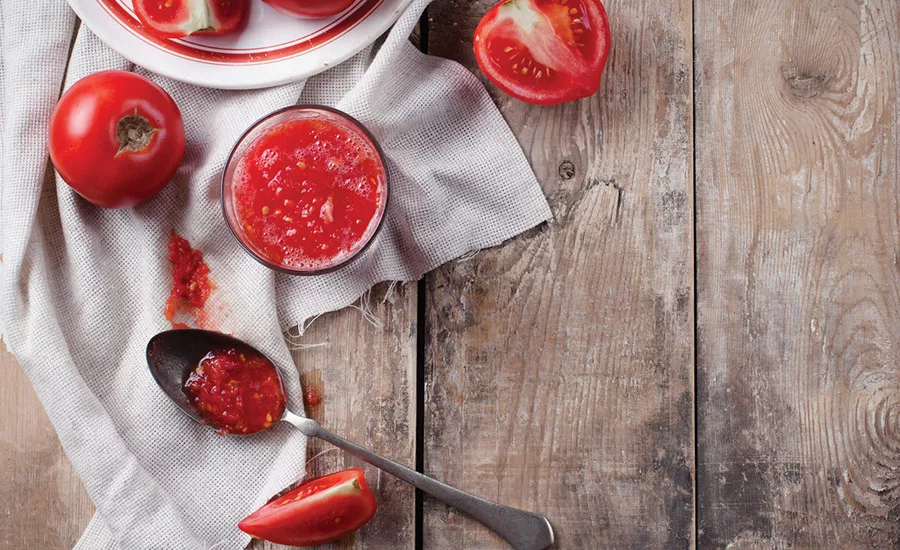
Lycored introduced its Dry Tomato Pulp (DTP) that offers a three-in-one ingredient solution for prepared food products. DTP is a 100% natural real food ingredient from tomato. It adds a fresh, consistent red color to sauces, condiments, soups and ready meals with no risk of turning brown like some other colorants. It also provides an authentic texture and healthy fiber content.
877-592-6733; www.lycored.com
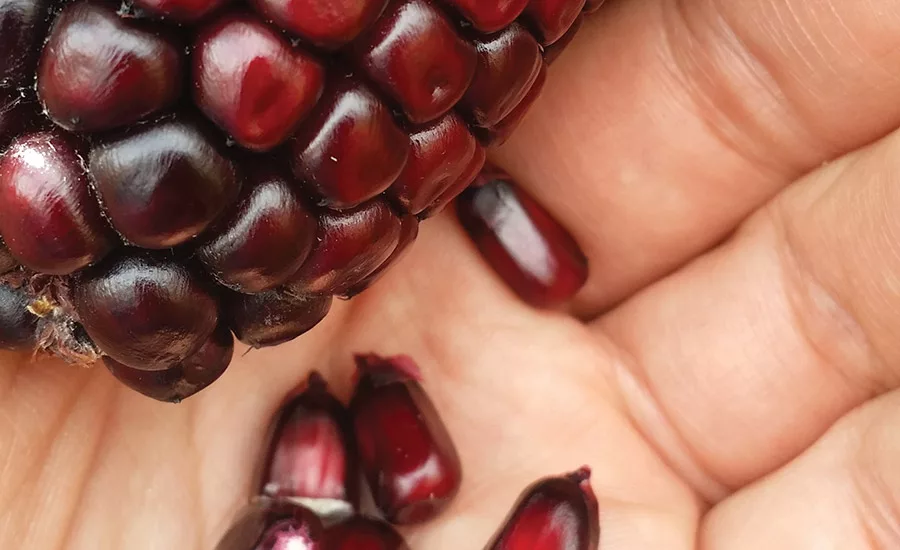
A new food color derived from a purple corn hybrid cultivated in the U.S., is available from DDW. The non-GMO, kosher coloring delivers a vibrant red to purple hue, depending on pH, with a clean, neutral taste. Food and beverage companies can list “purple corn juice color” or “colored with vegetable juice” on ingredient statements. The color is safe and sustainable, and applications for the anthocyanin coloring include yogurt and ice cream in the dairy industry.
502-895-2438; www.ddwcolor.com
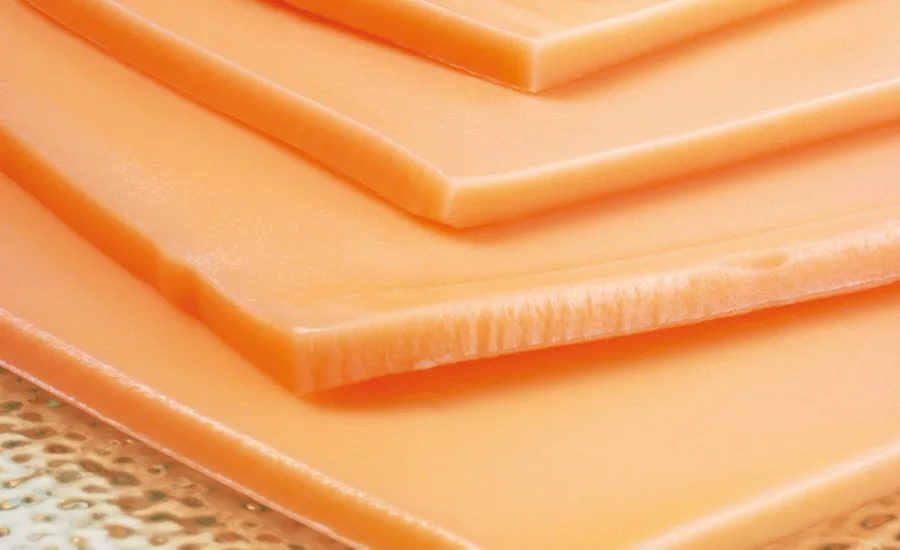
CaroCare 30%S from DSM Nutritional Products is a naturally sourced beta-carotene solution for coloration of fat-based products such as cheese. One of the offerings in the DSM Carotenoids line, this product can improve the look of processed cheeses as well as add to shelf-life by providing color stability, according to the company. DSM Carotenoids can bring more color consistency to formulations and help products resist the “pinking” that can occur with some cheese colors.
800-526-0189; www.dsm.com/human-nutrition
The consensus following this year’s Institute of Food Technologists’ annual meeting and expo in Chicago is that the trend driving current food and beverage development is clean labeling. But you already knew that.
The push to give ingredient statements a healthy scrub has been a “thing” for a while now. And even when labeling cleanliness isn’t the explicit R&D goal, odds are that a closely allied imperative is, whether it be “natural” formulation, organic sourcing or merely trimming the number of ingredients used in a product.
Perhaps nowhere have these forces converged more demonstrably than in the realm of colorants — which provided one of the early platforms on which the natural-versus-artificial debate was staged. Long before nutrition bloggers, ingredient blacklists and even the notorious “Southampton study” cast aspersions upon synthetic food dyes, moms were wondering what was in that “Red 40,” and what the “FD&C” in its name meant. (It’s a sign that FDA has certified the colorant batch as passing composition and purity analyses in its own labs. In other words, it’s a good thing.)
But never mind that. Perception is reality, and the perception remains that synthetic, petroleum-based colorants are less desirable than the plant-, animal- or mineral-derived alternatives that FDA classifies as exempt from certification — or that the rest of us call “natural.” Which is why, said Nathalie Pauleau, colors category manager, Naturex, Avignon, France, “Being ‘natural’ is a necessity nowadays.” With consumers unlikely to drift back to synthetics, color suppliers will have to follow suit, offering products as befits a category “evolving from color additives to coloring foods,” she said.
What’s in a name
That evolution is in full swing across the food, beverage and ingredient sectors. Dairy’s corner of the landscape is hardly immune. Regis Roubille, global technical industry manager, dairy, natural colors division, Chr. Hansen, Milwaukee, said he is “in constant interaction with all the key dairies, and all recent interactions clearly indicate that the dairy industry is being reshaped.” He sees companies slashing sugar levels, moving their brands to GMO-free, strengthening organic offerings and most of all, he said, “looking for ‘natural’ and ‘clean’ labeling.”
Dairies’ search raises obvious questions about what “natural” and “clean” actually mean, of course, and the jury’s still out. “Clean,” being such a new addition to the lexicon of vaguely defined labeling terms, all but beg for freewheeling interpretation. But as far as “natural” goes, FDA finally began imposing some order on things when it solicited public comment on the word’s use in food labeling this spring.
Even so, the agency appears just as flummoxed by “natural” as the rest of us, stating on its website, “From a food science perspective, it is difficult to define a food product that is ‘natural’ because the food has probably been processed and is no longer the product of the earth.” So absent an official definition, the agency’s pattern has been to withhold objection to the term’s use as long as the food in question “does not contain added color, artificial flavors or synthetic substances,” according to the website.
But by that guidance, any foreign colorant could attract FDA fire for calling itself “natural,” even if Mother Nature squeezed it from a dewdrop herself. So are dairy processors asking for a regulatory smackdown when they reformulate with “natural” colors? Not if they don’t list them as such in the ingredient statement. Far preferable are phrases like “[fruit/vegetable] juice for color,” which, to most label readers, gets the point across just as clearly anyway. In any event, Roubille believes that until FDA settles this once and for all, suppliers should be “in constant dialogue with dairy customers to understand their needs and guide them toward solutions.”
Making the transition
Suppliers can also guide dairy customers toward colorants that convey cleanliness while performing effectively in application. As Roubille pointed out, moves towards clean ingredients “are impacting colorant needs on a very fast track.” In response, color processors are working “to address those key challenges and translate them into color solutions for dairy without compromising the core deliverables for consumers: great taste and visual appeal.”
For Megan Jacobs’s customers, “functionality and stability are very important.” As the market specialist at DDW’s Global Support Center, Louisville, Ky., noted, transitioning from synthetic to natural necessitates considering how everything from heat, light and pH to storage and packaging “affect a color’s function in the final product.”
As an example, she pointed to efforts to replace FD&C Red 40 in strawberry milk. While carmine color can generate a spot-on pink hue that remains stable through a product’s shelf life, carmine’s origin — the crushed bodies of the cochineal insect (Dactylopius coccus) — make it definitely not kosher. But when formulators turn to beet juice, they find that it produces the right hue initially, Jacobs said, “but doesn’t stand up as well to heat processing as carmine.”
There is a red beta carotene colorant which “provides a pink color that can stand up to heat better than some other options,” she said.
Carotenoids and sticks
Carotenoid colorants like beta carotene enjoy both a “clean” pedigree — many are spice, root and vegetable extracts — and a long history of dairy use, supplying hues in the yellow, orange and red range. But they haven’t always been the most soluble or stable colors to work with. Now, Jacobs said, advances in emulsion techniques and equipment are bending that curve.
Suppliers are able to provide extremely stable carotenoid emulsions by using natural colors and emulsifiers and state-of-the-art equipment, she said.
Another carotenoid with “clean” credentials and widespread dairy use is annatto. But again, it can benefit from some formulation finessing. Noted Lacey Eckert, market development specialist, Kalsec, Kalamazoo, Mich., “When it comes to annatto, the main issue is finding the appropriate product functionality for the dairy application being colored.”
In general, water-soluble norbixin-based products work best in natural cheeses such as Cheddar and Colby, while oil-soluble bixin-based options are the best choice for processed-type cheeses and higher-fat applications. Yogurt presents different considerations — acid stability, mainly — given annatto’s tendency to precipitate in acidic environments. And for items such as ice cream, Eckert advised, “the appropriate coloring product will depend on the customer’s hue, formulation and functionality preferences.”
At IFT this year, Eckert and her colleagues demonstrated the water dispersibility and intense shades that one line of colorants can deliver thanks to “natural emulsifiers that support customers’ clean-label initiatives,” she said. Demos highlighted the orange and yellow hues that make paprika and turmeric such useful colorants.
New beet-based colorants give “intense” red shades in a wide pH range, she said, and are suitable for use in aqueous dairy applications like yogurt, sour cream and kefir.
As for Jacobs, another request she often fields is for alternatives to FD&C and caramel colorants in chocolate milk and ice cream. A range of browns made from caramelized fruits and vegetables can be labeled “caramelized [fruit/vegetable] juice.” A series of specialty dark brown products may appear in ingredient statements as “natural flavors,” she said because of their dual coloring and flavoring functionalities.
Surprise!
Yet with all this emphasis on achieving natural-color functionality, it’s easy to forget why food scientists work with colorants in the first place: They make dairy look delicious. After all, dairy is the fundamentally ‘fun’ category that brought the world ice cream sundaes and yogurt pops. So bright, bold colorants — even natural ones — will always be must-haves in dairy formulation.
Pauleau sees the future of natural colors as being not only about “clean” labeling, but about differentiation, as well — that is, “providing consumers with a new sensorial experience,” as she put it. “Consumers want to be surprised, to participate and to share on social media,” and natural colors can facilitate this.
“For example, natural colors can be used to support a cause,” she continued, pointing to Doritos’ launch of rainbow chips in support of the LGBT community. “Playing with natural colors’ properties can also provide a new kind of experience and help companies innovate,” she added, with colors that shift with pH or temperature making possible, “a chameleon ice cream that turns from blue to pink when it melts,” for instance.
A new line of 100% natural flakes (or paillettes in French) “open exciting new avenues for ice cream and frozen yogurt,” Pauleau said. The flakes are especially suited to “do-it-yourself” applications that satisfy consumers’ desire “to customize their food and adapt it to their exact tastes,” she said.
Blue skies
Also standing out at IFT was the bumper crop of naturally derived blue colors, which have grown in number and improved in quality since FDA added spirulina extract to its list of colorants exempt from certification. But developers aren’t just using them in blueberry-flavored yogurt.
Pauleau suggests capitalizing on the fluorescent properties of blue spirulina under UV, which turns the color from blue to reddish pink.
“Blue spirulina in ice cream is also a very hot trend,” she noted, adding that European sorbet and ice cream makers have been replacing green copper chlorophyllin with a blend of blue spirulina and yellow pigments — often safflower concentrate or curcumin — that has better label appeal.
“In the U.S., the use of blue spirulina combined with curcumin would be an excellent option for coloring green ice cream or yogurt,” she said.
Jacobs also appreciates the broader spectrum of colors that spirulina blends create. While the bright blues are great “in blue moon or superhero novelty ice creams,” she said, blends allow developers to achieve just the right greens for mint and lime applications.
A new liquid spirulina has improved light stability compared to standard powder spirulina, she said, adding, “It functions really well in ice cream and yogurts due to the cold storage.”
Looking for a reprint of this article?
From high-res PDFs to custom plaques, order your copy today!