Mixed results with vitamins, mineral mix-ins for milk
Does it add value to dairy foods and beverages when processors add more vitamins or minerals? Or does it tarnish an otherwise clean label?
|
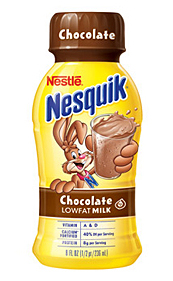
| Nestlé’s Nesquik calcium-fortified low-fat chocolate milk has 400 milligrams calcium per 8 ounces. |
On both a personal and professional level, I believe dairy foods are perfect just the way they are. The truth is: I don’t want anyone messing with my milk (or cheese or yogurt). Milk is naturally nutrient-rich and although I understand the rationale for adding vitamin D, I don’t think milk needs further assistance — but that’s just me. Or is it?
To date, scientists have discovered more than 40 nutrients — including 13 vitamins and more than 20 minerals — that are required by the human body for optimal health and to reduce the risk of many chronic diseases. According to the USDA 2010 Dietary Guidelines Advisory Committee, the majority of people in the United States do not consume adequate amounts of potassium, calcium and vitamin D. People over age 50 often do not get enough vitamin B-12. Dairy foods provide these nutrients and more.
Dairy foods contain nine essential nutrients (calcium, potassium, phosphorus, protein, vitamins A, D, and B-12, riboflavin and niacin). So it’s no surprise that their consumption is associated with overall diet quality and nutrient adequacy in children, adolescents and adults. A study of children and teens found that milk drinkers (of white and flavored milk) had higher intakes of vitamin A, calcium, phosphorus, magnesium and potassium compared to those who did not drink milk.
And dairy’s nutrients translate to better health. A solid body of evidence indicates that consuming the recommended servings of milk, cheese and yogurt as part of a healthful diet improves bone health; may help reduce the risk of osteoporosis, cardiovascular disease, type 2 diabetes and high blood pressure; and may be associated with an overall survival advantage.
Dairy foods may be particularly advantageous for vegetarians who must take care to get enough dietary protein, iron, calcium, zinc and vitamin B-12. Other than iron, incorporating dairy foods into a vegetarian diet can help ensure adequate intake of these key nutrients.
Another advantage of milk’s nutrients may be recovery from endurance exercise. A research review recently published in the journal “Current Sports Medicine Reports” concluded that drinking milk after exercise may help replace fluids and electrolytes/minerals such as potassium and sodium that are lost in sweat. Eight ounces of milk contain about 375 milligrams potassium and 105 milligrams sodium.
It’s obvious that milk is one of nature’s most perfect foods. Must we mess with perfection? A few years ago, Dairy Management Inc. (DMI) commissioned consumer research to investigate just that: Do consumers want nutrients added to dairy foods?
“Added nutrients tested well with consumers,” said Greg Miller, president of the Dairy Research Institute, executive vice president of the National Dairy Council and a Dairy Foodscolumnist. “And dairy might be a reasonable way to deliver them since it’s already nutrient-rich.”
Vitamin D fortification may be a case in point.
“Many folks in the scientific community are saying that vitamin D intake is too low and we may need to increase the amount we put into dairy products,” said Miller.
And consumers are on board. According to research, consumers like the idea of adding vitamin D to foods and would buy such products.
For cheese, the technology is ripe. New research shows that vitamin D fortification of natural cheese can be doubled without negatively impacting flavor, quality or bioavailability, said Miller. According to the Dairy Research Institute (DRI), researchers at the Western Dairy Center at Utah State University developed a procedure for adding up to 234 IU per 30 grams of vitamin D in full- and reduced-fat Cheddar cheese (which exceeds the FDA limit of 81 IU per 30-gram serving). Although the results must be confirmed with large-scale manufacturing trials, the DRI claims this technique will allow the dairy industry to promote cheese as a good or excellent source of vitamin D.
“When [processors] look to fortify foods, they should see if there’s a population that doesn’t get enough of a nutrient and determine if the fortified product will reach them and provide the nutrient at a meaningful level,” Miller said. Of note is that the addition of vitamins or minerals to dairy products in amounts above the FDA Code of Federal Regulations must be approved by the FDA.
Nestle began fortifying Nesquik products with calcium in 2001, said Carol Savage, manager of nutrition, health and wellness for Nestlé’s beverage division. “Nestle doesn’t add fortification unless there’s a good rationale for it. Calcium is an important nutrient and it makes sense to add more to offer an additional measure of nutrition.”
The market success of dairy foods fortified with additional vitamins and/or minerals seems to be mixed. Most yogurts are now fortified with vitamin D and consumer acceptance is good, said Miller, “although we’re not sure if it’s vitamin D driving [purchases] or other factors.”
The “plus” and “deluxe” milks with added milk powder which increases calcium content “seem to be doing okay,” Miller said.
Similar products have not fared well in other markets, however. It may be that in certain markets consumers will welcome dairy foods with additional vitamins and/or minerals, but to be sure, Miller suggests companies perform their own market research. What if, like me, consumers prefer a clean label or don’t want to pay more for “value-added” dairy products? What if the addition of nutrients to dairy foods undermines consumers’ confidence that milk is inherently nutrient-rich? These perceptions and preferences would be good to know at the get-go.
Dairy is nutrient-dense and nourishing
Even at the current average daily intake of 1.7 servings of dairy per day (for Americans ages two years and older), dairy foods contribute only 10% of the calories yet deliver 58% of the vitamin D, 51% of the calcium, 28% of the vitamin A and phosphorus, 26% of the vitamin B-12, 25% of the riboflavin, 18% of the protein, 16% of the potassium and zinc, and 13% of the magnesium.
Who’s fortifying dairy products?
• Skim Plus milk, Farmland Dairies (a division of Borden Dairy Co.). Low-fat or fat-free; white or chocolate; lactose-free version. Calcium fortified: 400 milligrams calcium per 8 ounces.
• Skim Delux milk, Delux Milk. Fat-free; white or chocolate. Calcium fortified: 500 milligrams calcium per 8 ounces.
• Nesquik Calcium Fortified Milk, Nestle. Shelf-stable (aseptic) in 8- or 16-ounce bottles. Low-fat or fat-free; variety of flavors; no-sugar-added version. Calcium fortified: 400 milligrams calcium per 8 ounces.
• Carnation Breakfast Essentials Drink (ready-to-drink bottle), Nestle. Non-fat (with added fat); chocolate or vanilla; no-sugar-added version. Calcium fortified: 364 milligrams calcium per 8 ounces. Also added: magnesium, vitamin C, potassium, iron, vitamin E, zinc, copper, manganese, vitamin A, vitamin K, and B vitamins including niacin and folic acid.
• Yoplait Kids yogurt, General Mills. Made with low-fat and non-fat milk; variety of flavors. Calcium fortified: 200 milligrams calcium per 3-ounces. Also fortified with vitamins A and D.
Looking for a reprint of this article?
From high-res PDFs to custom plaques, order your copy today!