Slicing up the Competition
Today’s cheesemakers are stepping up with bold-flavored products that contain healthy ingredients and come in innovative packaging concepts.
 Everybody loves cheese. Whether it’s sliced on top of a burger, shredded on top of pizza or chunked into a salad, the cheese category provides a little something for everyone.
That’s why competition for retail cheese is everywhere, according to a study conducted by Chicago-based Mintel. In fact, cheese as a snack has myriad of competitors, ranging from salted chips to fruits and nuts and yes, even yogurt. In addition, more than half of all cheese-eating respondents buy individually wrapped cheese for snack and lunchbox purposes, the study says.
Snacking aside, the cheese category also has become a viable contender to itself thanks to wavering sales and a slew of penny-pinching consumers. However, many of today’s cheese processors are inching by thanks to low-fat, all-natural, better-for-you offerings that contain zesty and exotic flavors and come in a host of innovative packaging concepts.
“Shoppers have been changing the way they prepare meals since they are still reeling from the effects of the recession,” says Mark Korsmeyer, president, Global Dairy Products Group of Dairy Farmers of America, Inc., Kansas City, Mo. “And, while shoppers are driven by what’s the best value, they are making decisions to buy items that deliver something different. This is where we have an opportunity in the cheese aisle.”
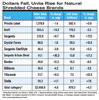
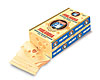 Right now, the largest opportunity for sales is in the natural cheese segment, says Barbara Gannon, vice president, corporate communications for Sargento Foods Inc.
“There is a consumer preference trend toward natural cheese, which has grown the sliced natural cheese category, while processed cheese has declined,” she adds. “The big sellers continue to be Four Cheese Mexican, Cheddar, Provolone, Swiss and Mozzarella. We are noticing a move from mild Cheddars to more Medium and Sharp Cheddars and we’ve also done well in the marketplace with a Sharp Provolone and Pepper Jack as boomers age and look for more bold flavor in their food.”
That’s why the Plymouth, Wis.-based company developed a line of reduced-sodium shredded, sliced, string and snack stick cheeses that are made with 25% less sodium.
 The reduced-sodium shredded cheese options, for instance, come in 7-ounce packages in Mild and Mozzarella, and are ideal for sprinkling over English muffins, pizza, pasta dishes or veggie subs. Meanwhile, the 6.67-ounce reduced-sodium sliced products are available in Provolone and Colby Jack and are developed for sandwiches, crackers, soups, paninis or bagel pizza.
The individually wrapped reduced-sodium, 9-ounce pack of string cheese is made with part-skim Mozzarella cheese, while the reduced-sodium Colby Jack snack sticks blend Colby and Monterey Jack cheeses. Both offerings deliver 15% of the recommended daily values of calcium and Sargento suggests pairing with whole-grain crackers, fruit or nuts to make a nutritious afternoon snack.
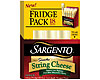
To make smart snacking easier, according to its tagline, Sargento rolled out Fridge Packs, available in String Cheese, Light String Cheese and Colby-Jack options. These easy-to-see, stand-up packs of 18 individually wrapped cheese pouches make it easier for retailers to display on store shelves, and more convenient for consumers to store in their refrigerators.
Consumers also opt for products that stretch their dollar and provide greater portability and easy clean-up, says Angela Wiggins, senior manager, corporate affairs for Kraft Foods.
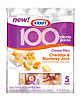
That’s why the Northfield, Ill.-based company introduced Bonus Packs, which offer 20% more than the original 8-ounce size. The shredded cheese option comes in Italian, Mexican and Pizza, while the chunk cheese offering is available in Sharp Cheddar, Medium Cheddar and Mild Cheddar.
“Consumers’ need for convenience is present as ever and they are increasingly seeking easy, practical ways of fulfilling their needs,” Wiggins says. “Bonus Packs is one way to satisfy these value shoppers’ needs.”
 Kraft Foods also sets out to reduce sodium by an average of 10% across its North American portfolio by the end of 2012, and started doing so with the rollout of reduced-sodium Velveeta.
Furthermore, Kraft Foods made some packaging enhancements to its product lineup to enhance shopability, increase appetite appeal and make it easier for shoppers to distinguish between the different forms, flavors and fat levels, Wiggins says.
For instance, the Kraft Cracker Cuts are transitioning into new packaging with shingled cuts and a window to better separate it from the Chunk Cheese products. “Another example is our new Kraft and Polly-O String Cheese packaging that delivers stronger branding and form differentiation,” Wiggins adds. “Other areas of focus around packaging are making them more environmentally friendly and easier to use. An example of that is our new Polly-O Mozzarella ‘easy-open’ packaging that not only allows consumers to peel open the package with ease, but also uses less package materials due to printing nutritionals on the outer label versus the inner card.”
In addition to Kraft’s packaging changes, the Food and Drug Administration and the Institute of Medicine are urging companies to revamp their front-of-pack labeling, says Peggy Armstrong, vice president of communications for Washington, D.C.-based International Dairy Foods Association.
“Depending on the way that these front-of-pack symbols are presented and the information included, these symbols could place undue influence on the fat, calories and sodium in cheese without emphasizing the benefits of protein and calcium from cheeses,” she adds. “If the symbols don’t show the full nutrition profile of cheese, this could impact consumer choices. However, if the front-of-pack symbol can show the full nutrient profile of cheese, this could help educate consumers about the nutrients to limit and nutrients to encourage in cheese. Consumers could see the range of nutrition in various cheeses and could find a variety that meets their nutrient needs, in addition to their taste and variety needs.”
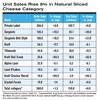
“We’re finding that consumers are becoming more resourceful when shopping the cheese case and are using a variety of money-saving shopping tactics, including choosing private labels more often, brand switching and in some cases lowered standards,” says Jay Allison, vice president of sales and marketing for Tillamook County Creamery Association, Tillamook, Ore. “The new norm is consumers focusing on value and being strategic about their grocery shopping. This results in fewer trips to the store, shorter shopping lists and more discipline to only buy from their list.”
Another challenge facing the cheese category is the fact that cheese has become a commodity at retail, says Tom Gallagher, chief executive officer for Dairy Management Inc., Rosemont, Ill.
“Price is the primary driver of sales, rather than value-added brand attributes and benefits,” he adds. “The industry can reverse this trend, however, and bring value back to the category through branded product development, packing innovation and marketing efforts. The good news is that the industry is encouraging dairy brands to differentiate themselves by introducing new products in convenient packaging that consumers want to meet their lifestyle needs.”
Likewise, cheese that is used in schools is under additional scrutiny to provide healthy nutrients and reduce the risk of childhood obesity, Armstrong says.
“The First Lady’s ‘Let’s Move’ initiative, Institute of Medicine reports on the nutritional standards of foods in schools and school wellness policies have placed emphasis on healthier choices in schools. Unfortunately, sometimes this focuses on ‘nutrients to limit,’ such as sodium or saturated fat, without consideration of the ‘nutrients to encourage’ provided by foods,” she adds.
Consumers also are on the lookout for companies to do their part, by delivering more social, moral and environmental accountability, Wiggins says.
“At our Campbell and Lowville, N.Y., cheese facilities, we’re reducing waste and even turning waste into renewable energy,” she adds. “We’re offsetting about 30% of our natural gas needs by turning whey waste, a byproduct of cheesemaking, into biogas. Whey goes into anaerobic digesters and generates biogas that becomes renewable energy we use to heat our boilers that make cheese. Together, the two plants create enough biogas to heat about 2,600 typical homes in the Northeast a year.”
Whether it’s for snacking or used as a component of pizza, burgers and sandwiches, the cheese category continues to outdo itself.
Editor’s Note: For more information about these and other cheeses, check out the Annual Cheese Outlook of Dairy Foods’ October issue.
Cheese consumption would appear to be on the rise, which coupled with sales numbers, suggests that consumers are seeking out deals where possible.
Cheese is eaten for a wide range of occasions, and opportunity exists for cheese processors to focus on the product’s versatility, specifically targeting women.
“Popular” cheeses are eaten most (88%), followed by American cheese (77%). Among the “popular” cheeses, Cheddar is eaten by a full 92% of respondents, followed closely by Mozzarella.
There is enough interest in resealable packaging to warrant greater efforts in this area. Recyclable packaging is less important (27%) for consumers. However this effort can make for a “win-win.”
Fat (43%) and calorie (41%) content are top-of-mind for cheese eaters, particularly for women.
There are always one or two standard cheeses in the house, according to some 80% of cheese-eating respondents, and far fewer (36%) keep specialty cheeses on hand.
On its website, www.finlandiacheese.com, users can choose from a variety of cheese-based appetizers, meals and sandwiches. For instance, consumers can select from Havarti Pinwheels and bacon and Gouda cheese biscuits to light chicken manicotti with light Swiss and the Poor Man’s Beef Wellington, which consists of sliced mushrooms and onions, rye bread and Swiss cheese.
In addition, Finlandia’s lineup of cheese items are made from Finland-produced milk and are all-natural and hormone- and lactose-free.
That’s why competition for retail cheese is everywhere, according to a study conducted by Chicago-based Mintel. In fact, cheese as a snack has myriad of competitors, ranging from salted chips to fruits and nuts and yes, even yogurt. In addition, more than half of all cheese-eating respondents buy individually wrapped cheese for snack and lunchbox purposes, the study says.
Snacking aside, the cheese category also has become a viable contender to itself thanks to wavering sales and a slew of penny-pinching consumers. However, many of today’s cheese processors are inching by thanks to low-fat, all-natural, better-for-you offerings that contain zesty and exotic flavors and come in a host of innovative packaging concepts.
“Shoppers have been changing the way they prepare meals since they are still reeling from the effects of the recession,” says Mark Korsmeyer, president, Global Dairy Products Group of Dairy Farmers of America, Inc., Kansas City, Mo. “And, while shoppers are driven by what’s the best value, they are making decisions to buy items that deliver something different. This is where we have an opportunity in the cheese aisle.”
“There is a consumer preference trend toward natural cheese, which has grown the sliced natural cheese category, while processed cheese has declined,” she adds. “The big sellers continue to be Four Cheese Mexican, Cheddar, Provolone, Swiss and Mozzarella. We are noticing a move from mild Cheddars to more Medium and Sharp Cheddars and we’ve also done well in the marketplace with a Sharp Provolone and Pepper Jack as boomers age and look for more bold flavor in their food.”
That’s why the Plymouth, Wis.-based company developed a line of reduced-sodium shredded, sliced, string and snack stick cheeses that are made with 25% less sodium.
The individually wrapped reduced-sodium, 9-ounce pack of string cheese is made with part-skim Mozzarella cheese, while the reduced-sodium Colby Jack snack sticks blend Colby and Monterey Jack cheeses. Both offerings deliver 15% of the recommended daily values of calcium and Sargento suggests pairing with whole-grain crackers, fruit or nuts to make a nutritious afternoon snack.
To make smart snacking easier, according to its tagline, Sargento rolled out Fridge Packs, available in String Cheese, Light String Cheese and Colby-Jack options. These easy-to-see, stand-up packs of 18 individually wrapped cheese pouches make it easier for retailers to display on store shelves, and more convenient for consumers to store in their refrigerators.
Consumers also opt for products that stretch their dollar and provide greater portability and easy clean-up, says Angela Wiggins, senior manager, corporate affairs for Kraft Foods.
That’s why the Northfield, Ill.-based company introduced Bonus Packs, which offer 20% more than the original 8-ounce size. The shredded cheese option comes in Italian, Mexican and Pizza, while the chunk cheese offering is available in Sharp Cheddar, Medium Cheddar and Mild Cheddar.
“Consumers’ need for convenience is present as ever and they are increasingly seeking easy, practical ways of fulfilling their needs,” Wiggins says. “Bonus Packs is one way to satisfy these value shoppers’ needs.”
Furthermore, Kraft Foods made some packaging enhancements to its product lineup to enhance shopability, increase appetite appeal and make it easier for shoppers to distinguish between the different forms, flavors and fat levels, Wiggins says.
For instance, the Kraft Cracker Cuts are transitioning into new packaging with shingled cuts and a window to better separate it from the Chunk Cheese products. “Another example is our new Kraft and Polly-O String Cheese packaging that delivers stronger branding and form differentiation,” Wiggins adds. “Other areas of focus around packaging are making them more environmentally friendly and easier to use. An example of that is our new Polly-O Mozzarella ‘easy-open’ packaging that not only allows consumers to peel open the package with ease, but also uses less package materials due to printing nutritionals on the outer label versus the inner card.”
In addition to Kraft’s packaging changes, the Food and Drug Administration and the Institute of Medicine are urging companies to revamp their front-of-pack labeling, says Peggy Armstrong, vice president of communications for Washington, D.C.-based International Dairy Foods Association.
“Depending on the way that these front-of-pack symbols are presented and the information included, these symbols could place undue influence on the fat, calories and sodium in cheese without emphasizing the benefits of protein and calcium from cheeses,” she adds. “If the symbols don’t show the full nutrition profile of cheese, this could impact consumer choices. However, if the front-of-pack symbol can show the full nutrient profile of cheese, this could help educate consumers about the nutrients to limit and nutrients to encourage in cheese. Consumers could see the range of nutrition in various cheeses and could find a variety that meets their nutrient needs, in addition to their taste and variety needs.”
Strategizing cheese consumption
Regardless of the flavor, price point or portability option, shoppers are still not lured into purchasing “cheap” cheese, even if it means buying into a lower price bracket, the Mintel study outlines.“We’re finding that consumers are becoming more resourceful when shopping the cheese case and are using a variety of money-saving shopping tactics, including choosing private labels more often, brand switching and in some cases lowered standards,” says Jay Allison, vice president of sales and marketing for Tillamook County Creamery Association, Tillamook, Ore. “The new norm is consumers focusing on value and being strategic about their grocery shopping. This results in fewer trips to the store, shorter shopping lists and more discipline to only buy from their list.”
Another challenge facing the cheese category is the fact that cheese has become a commodity at retail, says Tom Gallagher, chief executive officer for Dairy Management Inc., Rosemont, Ill.
“Price is the primary driver of sales, rather than value-added brand attributes and benefits,” he adds. “The industry can reverse this trend, however, and bring value back to the category through branded product development, packing innovation and marketing efforts. The good news is that the industry is encouraging dairy brands to differentiate themselves by introducing new products in convenient packaging that consumers want to meet their lifestyle needs.”
Likewise, cheese that is used in schools is under additional scrutiny to provide healthy nutrients and reduce the risk of childhood obesity, Armstrong says.
“The First Lady’s ‘Let’s Move’ initiative, Institute of Medicine reports on the nutritional standards of foods in schools and school wellness policies have placed emphasis on healthier choices in schools. Unfortunately, sometimes this focuses on ‘nutrients to limit,’ such as sodium or saturated fat, without consideration of the ‘nutrients to encourage’ provided by foods,” she adds.
Consumers also are on the lookout for companies to do their part, by delivering more social, moral and environmental accountability, Wiggins says.
“At our Campbell and Lowville, N.Y., cheese facilities, we’re reducing waste and even turning waste into renewable energy,” she adds. “We’re offsetting about 30% of our natural gas needs by turning whey waste, a byproduct of cheesemaking, into biogas. Whey goes into anaerobic digesters and generates biogas that becomes renewable energy we use to heat our boilers that make cheese. Together, the two plants create enough biogas to heat about 2,600 typical homes in the Northeast a year.”
Whether it’s for snacking or used as a component of pizza, burgers and sandwiches, the cheese category continues to outdo itself.
Editor’s Note: For more information about these and other cheeses, check out the Annual Cheese Outlook of Dairy Foods’ October issue.
Fast Facts
According to an executive summary produced by Chicago-based Mintel outlining the habits of consumers in relationship to cheese, survey results show:Make Your Family Smile
Finlandia Cheese wants to make families smile. That’s why the Parsippany, N.J.-based processor created a host of back-to-school recipes that incorporate Finlandia cheese.On its website, www.finlandiacheese.com, users can choose from a variety of cheese-based appetizers, meals and sandwiches. For instance, consumers can select from Havarti Pinwheels and bacon and Gouda cheese biscuits to light chicken manicotti with light Swiss and the Poor Man’s Beef Wellington, which consists of sliced mushrooms and onions, rye bread and Swiss cheese.
In addition, Finlandia’s lineup of cheese items are made from Finland-produced milk and are all-natural and hormone- and lactose-free.
Looking for a reprint of this article?
From high-res PDFs to custom plaques, order your copy today!