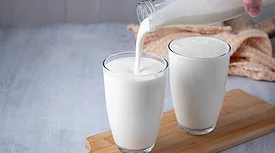
Fluid milk outperformed its main rival, plant-based beverages, in 2025. While fluid milk sales remained steady, plant-based drink sales fell 6% YoY to 358.4 million gallons. The Whole Milk for Healthy Kids Act seeks to boost milk sales in schools, highlighting traditional milk's nutritional benefits amid competition.
Simple & Organic Soymilk, available in both 48oz and 32oz bottles, joins the existing Almond-, Oat-, Coconut-, Vanilla Almond-, and Cashewmilk varieties.
When looking at alternatives to traditional milk, as defined by Chicago-based market research firm Circana, one category clearly stands out: kefir. Sales of the refrigerated beverages are red hot, with dollar sales rising 23% year over year (YoY) to $211 million during the 52-week period ending June 15. This figure was bested by unit sales, which increased 26% YoY to 55 million.
Sales in several dairy alternative subcategories soured for the 52-week period ending June 16, according to new data provided by Chicago-based market research firm Circana.
The global dairy alternatives market was valued at $23 billion in 2021 and is estimated to reach $65.33 billion by 2030, growing at a compound annual growth rate (CAGR) of 12.3%, according to Pune, India-based Straits Research.
At first glance, oats and coconuts have little in common. But they certainly share one thing: as milk alternative products, both products are flying off the shelves.
Innovation abounds in protein ingredients and dairy applications. In the plant-protein category, soy remains a strong player due to its nutritional profile, but pea is the most sought after plant protein, according to experts.
Demand for plant-based milk is particularly high due to increased cases of lactose intolerance and increased awareness of its high nutritional benefits.