On April 23, 1985, Coca-Cola Co. famously announced that it was trading in its Coca-Cola (aka Coke) soft drink’s nearly century-old secret formula for a new, sweeter one. Certain taste tests had shown that many consumers preferred the sweeter taste of Pepsi, so “New Coke” was the company’s answer to that particular problem.
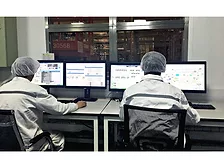
Dairy processors should use automation in two ways. One is to optimize ongoing operations, of course. This can also help plants become more environmentally friendly. The other time to use automation is before construction of a facility even begins.
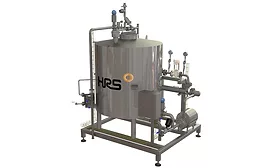
While it may not be as prominent as many other dairy processing technologies, the heat exchanger is far from lowly. The equipment, which is used to transfer heat between two or more fluids during the cooling and heating processes without mixing the fluids together, can have a major impact on processing efficiencies and operating expenses.
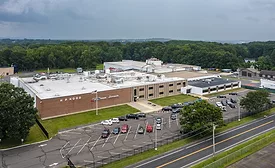
With 175 years under its belt, dairy giant HP Hood LLC knows a thing or two about making dairy products. It operates 13 plants across New England to create its numerous product lines.
Way back in 1933, an entrepreneur from Portland, Ore., worked with the city of Central Point, Ore., to open the Rogue River Valley Co-op — the first artisan creamery cooperative in Southern Oregon.
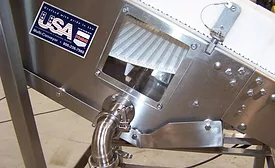
Leveraging the optimal conveyors and palletizers for dairy processing is critical if operators are to maximize plant efficiencies while enhancing food safety. Yet, pinpointing and installing the proper technologies can be arduous.
Process Expo, the largest trade show dedicated to the food and beverage processing industry, will be held Nov. 2-5, 2021, in the South Hall of McCormick Place in Chicago.
 RSS
RSS


.webp?height=168&t=1630591584&width=275 "David Gremmels")