Neogen releases second edition of environmental monitoring handbook
Courtesy of Neogen
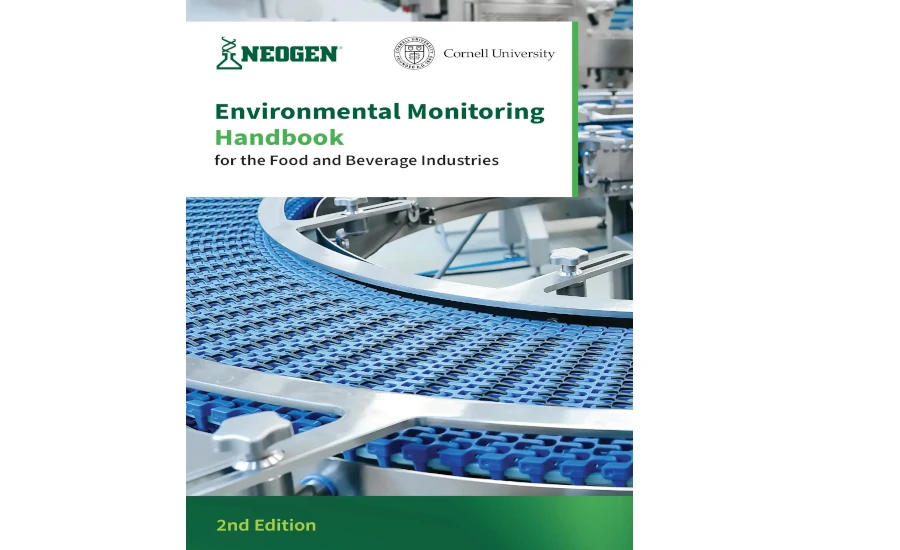
In recognition of World Food Safety Day, Neogen Corp. announced the release of the Second Edition Neogen Environmental Monitoring Handbook, a comprehensive resource designed to help food and beverage manufacturers strengthen food safety programs and reduce contamination risks.
The updated guide introduces critical new insights on validating risk-based controls, conducting root cause analysis, and leveraging data for continuous improvement, providing food safety professionals with science-backed strategies to enhance their environmental monitoring programs.
Environmental monitoring is a critical component of food safety programs, involving sampling and testing the environment and equipment within a food manufacturing facility to help prevent cross-contamination of finished products. The Second Edition Neogen Environmental Monitoring Handbook builds on the success of its predecessor with three new chapters covering:
- Using environmental monitoring to validate non-process controls and prerequisite programs
- Best practices for conducting root cause analysis after contamination events
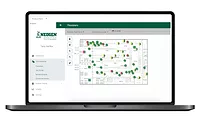
- Data management and utilization in environmental monitoring programs
“With rising expectations across the food industry, environmental monitoring remains one of the most powerful tools for reducing contamination risk,” said Cari Lingle, senior manager, Global Learning Experience at Neogen. “This handbook offers practical, expert-driven guidance to help manufacturers strengthen their monitoring strategies, validate and verify sanitation practices, and elevate food safety with confidence.”
“Environmental monitoring is a critical strategy for promoting food safety and quality,” said Dr. Martin Wiedmann, Gellert Family Professor of Food Safety at Cornell University. “It has been a pleasure to work with Neogen to expand the scope of this handbook with new insights and real-world applications. We aim to equip food safety professionals with tools to take a holistic, integrated approach—one that connects the dots across food safety systems to drive proactive risk mitigation, regulatory compliance, and continuous improvement. Ultimately, these efforts help safeguard product integrity and strengthen business operations and brand reputation.”
Looking for a reprint of this article?
From high-res PDFs to custom plaques, order your copy today!