Dairy Foods logo
search
cart
facebook twitter linkedin youtube
  • Sign In
  • Create Account
  • Sign Out
  • My Account
Dairy Foods logo
  • NEWS
    • DAIRY REGULATIONS
  • PRODUCTS
    • New Products
    • Butter
    • Cheese
    • Cultured Dairy
    • Frozen Desserts
    • Ice Cream/Novelties
    • Milk
    • Non-Dairy Beverages
    • Sales Data
    • Whey, Milk Powder
    • Dairy Alternatives
  • INGREDIENTS
    • Cocoa
    • Colors/Flavors
    • Cultures/Enzymes
    • Fiber
    • Gums, Stabilizers, and Texturants
    • Inclusions
    • Omegas/Lipids
    • Prebiotics
    • Probiotics
    • Sweeteners
    • Other
  • OPERATIONS
    • SUSTAINABILITY
    • Equipment
    • Processing
    • Packaging
    • Food Safety & Sanitation
    • Membrane Technology
  • MEDIA
    • Dairy Foods TV
    • Podcasts
    • Webinars
  • DIRECTORIES
    • Buyers Guide
    • Dairy Plants USA
  • MEMBRANE FORUM
  • MORE
    • Associations
    • Dairy Foods' News & Views Newsletter
    • Blogs
    • Case Studies
    • Classifieds
    • Custom Content & Marketing Services
    • Dairy Foods Store
    • Market Research
    • Supplier Spotlights
    • Tradeshows and Events
    • Strategy Guides
  • AWARDS
    • Dairy Plant of the Year Award
    • Breakthrough Award
    • Dairy Processor of the Year
  • EMAGAZINE
    • eMagazines
    • Archive Issues
    • Contact
    • Advertise
    • SIGN UP!
    • Columnists
    • Dairy 100
    • State of the Industry Report
    OperationsDairy Foods ColumnistsFood Safety for Dairy Processors

    Best practices for maintaining hygienic design

    A look at key considerations to help identify and control equipment-related food safety hazards during maintenance operations.

    By Timothy Rugh
    December 8, 2017

    To the credit of FDA, a wealth of resources has been assembled to help processors develop and implement a plan to come into compliance with the Preventive Controls rules. For example, the agency created a Food Safety Plan Builder to assist owners/operators of food facilities with the development of food safety plans that are specific to their facilities and has published several guidance documents related to implementing Food Safety Modernization Act. 

    FDA also partnered with numerous authorities through the Food Safety Preventive Controls Alliance to provide the required training for Preventive Controls Qualified Individuals (PCQIs) under a standardized curriculum.

    The real work of compliance begins with the completion of your food safety plan (FSP) and the training of your PCQI. However, it does not end there. The responsibilities of a PCQI include:

    • Developing or overseeing preparation of the FSP.
    • Validation of the preventive controls.
    • Review of records.
    • Periodic review of the FSP.

    The FSP includes a thorough hazard analysis that leads to implementing effective preventive controls, and it must be reanalyzed at least once every three years. But the facility must also review portions of the FSP under certain circumstances — for example, when a preventive control is found to be ineffective.

    So what are some key considerations to help you identify and control equipment-related food safety hazards, particularly during maintenance operations?


    Maintenance and repair 

    Every type of equipment is subject to wear and tear over time, requiring regular maintenance. The assessment should include inspections for lost, worn, broken or loose parts on equipment. Special attention is required for microorganism harborage sites such as worn or frayed hoses, porous welds or pitted, cracked or damaged product contact surfaces.

    Any materials used during maintenance and repair must be safe and suitable for food processing and equivalent to the original component. 


    Know your schedule

    Your FSP must reflect your knowledge of the operating characteristics of the equipment and which parts of the system are scheduled for periodic maintenance or replacement. Do you know the expected life for replaceable parts such as O-rings, gaskets, etc.? Is preventive maintenance written into your FSP?


    Rethink your practices

    Does the layout, configuration and installation of your food processing and handling equipment allow for adequate inspection and maintenance of a hygienic processing environment? Do you have enough space and clearance so that all equipment parts and components are readily and easily accessible for inspection, maintenance and troubleshooting? 


    Who maintains your equipment?

    Be sure that you have requirements that are written and appropriate for personal hygiene for those who conduct maintenance and repairs in any part of your operation. Food safety training should be tailored for personnel who perform maintenance in and around food processing areas, with special emphasis on protecting product zones, sanitizing tools and accounting for all parts and materials.


    Trust and verify

    Review the completed maintenance operations before production resumes. Have technical problems been resolved? Are the repairs completed in a way that your equipment will produce safe foods when production resumes? Keep comprehensive records to verify that the repair and maintenance program is operating as it should.

    The identification and control of equipment-related food safety hazards begins with the selection of food processing equipment that is fabricated and designed to be cleanable, and conforms to appropriate hygienic design principles. 

    3-A Sanitary Standards help processors identify and document conformance with hygienic design principles for equipment used in food processing:

    • Materials of construction must be inert, non-toxic, non-corrosive, non-contaminating and impervious to moisture.
    • Surface finishes must be durable, free of cracks and crevices, and smooth to a minimum measure of 32 microinch Ra (roughness average) for a product contact surface.
    • Joints of various types must be cleanable, crevice-free and bacteria-tight.
    • Drainability — all surfaces must be free-draining or drainable and properly pitched or sloped to prevent any liquid pooling.
    • Cleaning and inspectability are fundamental to equipment design, manufacture and installation. 
    • Construction elements such as dead ends, gaskets, gasket retaining grooves, O-rings and seals, threads, springs, shafts and bearings must be bacteria-tight and accessible for cleaning, sanitizing and inspection.

    Documenting the controls in your equipment maintenance program can help demonstrate that your company goes beyond just the minimum and embraces a preventive control culture.  

    KEYWORDS: dairy equipment safety dairy food safety Food Safety Modernization Act hygenic guidelines

    Share This Story

    Looking for a reprint of this article?
    From high-res PDFs to custom plaques, order your copy today!

    Timothy R. Rugh is the executive director of 3-A Sanitary Standards Inc., www.3-a.org.

    Recommended Content

    JOIN TODAY
    to unlock your recommendations.

    Already have an account? Sign In

    • Lifeway Organic Kefir in different flavors inside a refrigerated grocery shelf.

      Dairy Foods names Lifeway Foods 2025 Processor of the Year

      Lifeway Foods donates $10,000 to wildfire victims,...
      Dairy Processor News
      By: Brian Berk
    • Two female farmers are standing in a field, holding a large milk canister, looking at several cows at dairy farm.

      Honoring Women Leaders Shaping the Dairy Industry

      For the fourth consecutive year, Dairy Foods is proud to...
      Dairy Foods & Beverages
      By: Barbara Harfmann
    • Main feature for State of the Industry with dairy products album cover with a gradient circular--patterned backgorund.

      2025 State of the Dairy Industry

      Welcome to the 2025 State of the Industry report. For...
      Ingredients for Dairy Processors
    Manage My Account
    • eMagazine Subscription
    • Dairy Foods News & Views Newsletter
    • Online Registration
    • Manage My Preferences
    • Subscription Customer Service
    • Connect with Dairy Foods

    More Videos

    Popular Stories

    Close up of man adding Greek yogurt while preparing healthy smoothie in the kitchen.

    An expert guide to dairy and GLP-1 receptor agonists

    Grilling foods

    Dairy’s Enduring Moment: Why Resilience and Renewal Define Today’s Dairy Story

    Idaho Milk Products hosts ribbon cutting

    Idaho Milk Products hosts ribbon cutting for new facility

    Nominate your product for the 2026 Dairy Foods Product of the Year!

    Products

    Probiotic Ice Cream: Science and Technology

    Probiotic Ice Cream: Science and Technology

    See More Products

    Outlook Report: Women in Dairy

    Related Articles

    • The keys to maintaining hygienic design

      See More
    • Best practices for taming data

      See More
    • Dairy's Best Practices for Saving Energy

      See More

    Related Products

    See More Products
    • eng practices milk.jpg

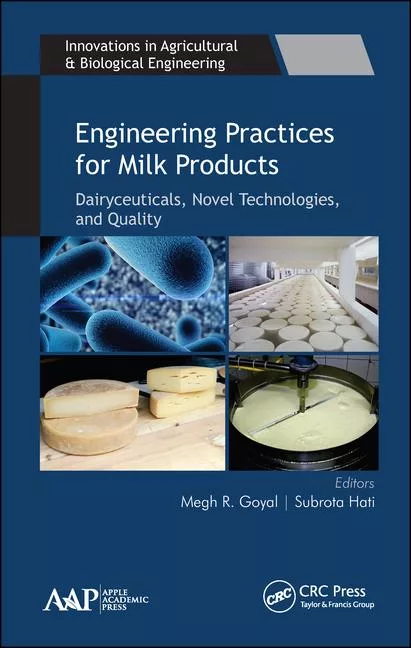
      Engineering Practices for Milk Products: Dairyceuticals, Novel Technologies, and Quality

    • Food Texture Design and Optimization

    • Global Legislation for Food Contact Materials, 1st Edition

    See More Products

    Related Directories

    • Best Sanitizers Inc.

      Best Sanitizers, Inc. provides dairy processors with superior hand soaps, hand sanitizers, surface sanitizers and industrial cleaners. As the first company to achieve both an E3 rating for an alcohol-based hand sanitizer and a D2 rating for an alcohol/quat-based surface sanitizer, we continue to innovate and deliver hygiene and sanitation solutions.
    ×

    Stay ahead of the curve. Unlock a dose of cutting-edge insights.

    Receive our premium content directly to your inbox.

    SIGN-UP TODAY
    • RESOURCES
      • Advertise
      • Contact Us
      • Directories
      • Store
      • Want More
    • SIGN UP TODAY
      • Create Account
      • eMagazine
      • Newsletter
      • Customer Service
      • Manage Preferences
    • SERVICES
      • Marketing Services
      • Reprints
      • Market Research
      • List Rental
      • Survey/Respondent Access
    • STAY CONNECTED
      • LinkedIn
      • Facebook
      • YouTube
      • X (Twitter)
    • PRIVACY
      • PRIVACY POLICY
      • TERMS & CONDITIONS
      • DO NOT SELL MY INFORMATION
      • PRIVACY REQUEST
      • ACCESSIBILITY

    Copyright ©2026. All Rights Reserved BNP Media, Inc. and BNP Media II, LLC.

    Design, CMS, Hosting & Web Development :: ePublishing