Protein benefits everyone, from children to seniors
It’s not just elite athletes who need protein. The ingredient holds benefits for everyone, from children to seniors and from recreational athletes to those seeking to lose weight.
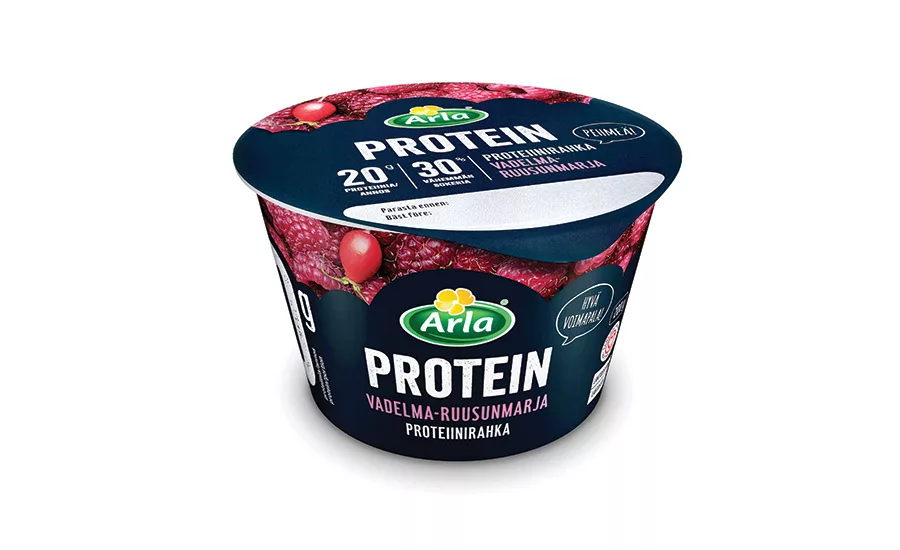
Quark from Arla is a cultured dairy product high in protein. Photo courtesy of Arla

Shakes and smoothies made with dairy or vegetable proteins can boost one’s daily protein intake. Photo courtesy of Glanbia
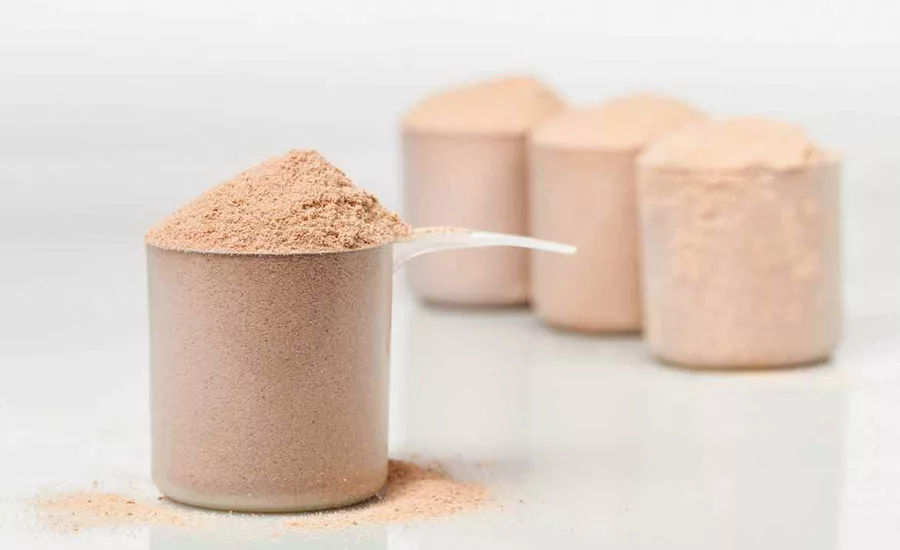
Milk Specialties Global has a broad portfolio of protein products for use in food and beverage applications. Photo courtesy of Milk Specialties Global

Protein may be a macronutrient the deficiency of which portends dire consequences for health. But it is amply represented in the American diet already. A 2015 analysis of the 2007-2010 National Health and Nutrition Examination Survey found that American men consume, on average, close to 100 grams of protein per day — nearly double the 56 grams generally recommended for the group. Sensing the potential for too much of a good thing, 2016’s updated Dietary Guidelines for Americans went so far as to advise teenage boys and adult men to “reduce overall intake of protein foods.”
But what counts as too much for one population may prove inadequate for another. It is not fair to apply the same protein recommendations for sedentary adult males and to professional athletes (or even avid recreational ones). Athletes need protein for improved performance. It is their usage that explains why protein rose to sports-nutrition prominence in the first place.
Now everyone wants in on the protein game, regardless of activity level. And as it turns out, it offers benefits even to those who haven’t done a pullup since eighth-grade PE.
“I always think some people want to believe that protein is just a ‘fad,’” said Cecilia Wittbjer, marketing manager for Parabel of Melbourne, Fla. “But in fact, many scientific publications are showing that the benefits are real and broad-based. There will be more coming out, I’m sure.”
As they do, developers of dairy foods and beverages will find more ways of delivering them.
From an athletic perspective, protein keeps going from strength to strength. Retail sales of sports-nutrition protein powders and similar supplements look set to hit $9 billion by 2020 in the United States alone, up from roughly $6.6 billion in 2015, according to research firm Euromonitor International.
What draws active individuals to these products will always remain the same, said Alan Rillorta, director of protein & branded ingredient sales for AIDP Inc., City of Industry, Calif. “Protein means bigger, stronger muscles, which makes those consumers better machines.”
But the sheer number of choices raises a number of questions. Rillorta asked a few: “What’s the protein source? Is it a concentrate, isolate or hydrolysate? Does the body absorb it quickly or slowly? What’s its amino acid profile?”
Quality and quantity
The answers matter because they help athletes focus on pursuing protein quality as much as quantity. When athletes choose “complete” proteins with both a full complement of essential amino acids (EAAs) and higher loads of the branched-chain amino acids (BCAAs) isoleucine, valine and leucine, they get more performance bang for the buck.
Among BCAAs, leucine is especially valuable for its activation of an anabolic pathway called mTOR. When active, this pathway effectively “calculates” whether or not the body’s amino acid account has sufficient funds to spare on building muscle. What qualifies as sufficient depends, but the consensus settles around 3.2 to 4.4 grams of leucine in one meal as being enough to flip on mTOR’s anabolic switch.
“At that point,” Wittbjer said, “the amino acids you’ve consumed can be used to synthesize skeletal muscle instead of being distributed to the liver, kidneys and cardiac and smooth muscle.”
Whey protein is a perennial favorite of athletes, thanks in part to its impressive leucine levels, noted Pernille D. Frederiksen of Arla Foods Ingredients Group, Sønderhøj, Denmark. Frederiksen, who is a health concept developer, said leucine helps whey “stimulate muscle growth and regeneration more effectively than other protein sources,” enhance recovery “by effectively helping to refuel muscles through insulin-mediated glycogen synthesis” and achieve quick absorption in the body, “ensuring rapid delivery of the building blocks necessary for fast recovery.”
A mainstream move
Whey also has a taste advantage among proteins, Frederiksen added, which might have something to do with protein’s increasingly mainstream popularity. “One of the biggest shifts in the sports nutrition market over the past decade has been the rapid expansion of its consumer base,” she said.
More “casual users” have turned to protein for weight management, fitness and the nutrient’s “trending” reputation, Frederiksen said. She said she sees yet another group emerging: “lifestyle users” who view fitness as the cornerstone to a high-performance life and who seek protein to help them achieve it.
But these specialty niches still don’t capture the entire potential market for protein. Jean Heggie said that DuPont Nutrition & Health’s consumer research reveals “opportunities for protein across the fitness-weight continuum,” with seniors, parents, kids and more standing to benefit. Heggie, the strategic marketing lead for the St. Louis, Mo.-based company, said each group is interested in protein for a different reason.
“Active consumers are drawn to the healthful energy and support for developing lean muscle mass,” she said. “Older consumers seek protein to help maintain muscle mass as they age. And parents see protein as an important nutrient to support their children’s healthy growth and development.”
Aging powerfully
Increasingly, the science backs them up. Start with protein’s case to older consumers. Sarcopenia, the progressive loss of muscle mass and strength in the elderly, is, to some extent, as inevitable as age. But increased inactivity and insufficient protein consumption exacerbate it. As the population ages, Heggie noted, the condition may affect as many as 30% of those over 60 and more than 50% of those older than 80.
Research suggests that consuming 25 to 30 grams of high-quality protein per meal can help preserve muscle health in the face of these odds. Further, a study looking at protein metabolism in older adults found that consuming 40 grams of protein following resistance exercise may help maximize muscle protein synthesis as well.
Arla’s Frederiksen noted that whey proteins in particular “have a unique stimulating effect on muscle protein synthesis in the elderly after exercise.” Consuming up to 1.3 g per kg of body weight per day, combined with exercise, may help counteract sarcopenia, she said.
Heggie pointed to dairy-soy blends (plus exercise) as stymying sarcopenia’s advance. A study conducted at the University of Texas Medical Branch in partnership with DuPont Nutrition & Health examined the effects of such blends on muscle health in men aged 55 to 75. A soy-dairy blend “induced amino-acid delivery to muscle tissue and muscle protein synthesis and activated a recognized pathway that initiates muscle-protein turnover,” Heggie said.
Weighty issues
Closely allied with protein’s contribution to muscle growth is its role in weight management. It plays this role via several mechanisms. One involves its ability to tip the body’s compositional scale toward lean tissue.
Mounting research demonstrates that diets rich in high-quality protein improve this balance, with whey earning special plaudits for reducing body weight, waist circumference and fat mass while preserving lean body mass, she noted.
Protein also has a reputation for inducing satiety, which researchers praise as a promising strategy for controlling appetite. Vikki Nicholson, senior vice president of global marketing at the U.S. Dairy Export Council, Arlington, Va., pointed to a study involving healthy young adults who consumed a breakfast including about 50 grams of protein from egg, turkey, tuna or whey. The study found whey to be “the superior protein” in reducing hunger and food intake at a buffet-style meal four hours later, she noted. Calorie intake in the whey group was also significantly lower.
Protein’s grab-bag of benefits
Yet while benefits related to weight management, muscle growth and strength grab all the headlines, experts are quick to note that protein contributes positively in other health arenas, as well.
“Protein makes up about a third of bone mass,” noted Rillorta of AIDP. Thus “a diet that’s chronically deficient in protein and essential minerals such as calcium and magnesium could lead to progressively poor bone health.” But consuming too much of the nutrient, he warned, “can influence calcium loss through urine, which may affect bone density.”
Dietary protein is insulinotrophic, too, meaning that it has a stimulating effect on insulin secretion and therefore helps stabilize blood glucose levels after a meal, Frederiksen said. Whey in particular has a “strong insulin-stimulating effect” and over the long term has been shown to lower fasting insulin levels and reduce insulin resistance, she said.
Wittbjer mentioned a study comparing diets high in animal or plant proteins, respectively. Among its conclusions are that high-protein diets not only may benefit some patients with type 2 diabetes, but also that the diet high in plant protein “delivered more benefits than the animal-protein diet,” she said.
A bumper crop of plant proteins
Such results should delight vegetarian and vegan consumers interested in meeting their protein needs through plant-based sources. That group is growing fast, said Charlie Ross, vice president of global sales for TerraVia Food Ingredients, South San Francisco, Calif.
According to Mintel’s “Alternatives Everywhere” trend report, nearly 30% of Americans say they’re eating more non-animal sources of protein, Ross noted.
Of the plant proteins with solid traction already, Heggie nominates soy as the granddaddy of them all. Its full store of amino acids sets it apart from other commercially viable plant proteins, most of which “lack one or more essential amino acids,” she noted. Its pricing “is also more stable, predictable and lower on a protein basis than comparable high-value, high-protein-content options like milk protein concentrates, isolates and caseinates,” she said.
But consumers looking for even more innovative options are investigating next-generation plant proteins from sources like algae. Ross described one product with a protein content of 63% that includes all the essential amino acids. The algae protein has high levels of arginine and glutamine, plus fiber, healthful lipids and micronutrients like lutein and zeaxanthin. The protein is vegan, gluten-free and free of known allergens so it can appeal to a wide range of consumers with varying dietary restrictions, Ross said.
Putting protein to work
But in choosing proteins for formulation, product developers have homework to do.
Clear beverages will entail a different choice than milky ones. Sporty millennials might have different goals than active seniors. Because different proteins perform differently, “it’s important to make the right choice to ensure the optimum balance between taste, texture, nutritional quality and shelf life,” Frederiksen added.
That said, milk proteins “provide a range of functional benefits in finished products, including solubility, heat stability, gelling, foaming and emulsification,” Nicholson said. “Whey proteins improve texture, enhance flavor and color, emulsify and stabilize, improve flow properties in dry mixes and help extend shelf life. Dairy proteins provide valuable minerals such as calcium, magnesium and phosphorus, too, which may reduce the need for additional fortification.”
What’s more, milk proteins contribute to a recognizable clean label that consumers seek, Nicholson added.
Ross noted that high protein levels can produce “grit” in applications. Often, dairy processors add a texturizer, but that can muck up the ingredient deck that formulators worked so hard to clean up. Because the cell walls in algal proteins protect the protein and other nutrients, the ingredients interact minimally with other formulation inputs, Ross said. They function well in low-pH environments with “no impact on viscosity at up to 20% inclusion levels,” he said. Thus, there is no need for texturizers.
In Heggie’s view, for optimal taste, price, functionality and nutrition, soy-plus-dairy blends win. They rate highest in consumer taste tests.
“Combinations of proteins, both dairy and plant, allow for sustained absorption of amino acids into the bloodstream, enabling a longer period for lean-muscle creation after exercise and helping consumers manage their diets and control hunger for a longer time as the protein’s digested,” he said.
As protein’s appeal spreads, such benefits will matter more than ever.
“It’s the natural progression for nutritional ingredients to find their way first into health supplements, and then to beverages and, finally, foods,” Rillorta said.
Looking for a reprint of this article?
From high-res PDFs to custom plaques, order your copy today!