Dairy Foods logo
search
cart
facebook twitter linkedin youtube
  • Sign In
  • Create Account
  • Sign Out
  • My Account
Dairy Foods logo
  • NEWS
    • DAIRY REGULATIONS
  • PRODUCTS
    • New Products
    • Butter
    • Cheese
    • Cultured Dairy
    • Frozen Desserts
    • Ice Cream/Novelties
    • Milk
    • Non-Dairy Beverages
    • Sales Data
    • Whey, Milk Powder
    • Dairy Alternatives
  • INGREDIENTS
    • Cocoa
    • Colors/Flavors
    • Cultures/Enzymes
    • Fiber
    • Gums, Stabilizers, and Texturants
    • Inclusions
    • Omegas/Lipids
    • Prebiotics
    • Probiotics
    • Sweeteners
    • Other
  • OPERATIONS
    • SUSTAINABILITY
    • Equipment
    • Processing
    • Packaging
    • Food Safety & Sanitation
    • Membrane Technology
  • MEDIA
    • Dairy Foods TV
    • Podcasts
    • Webinars
  • DIRECTORIES
    • Buyers Guide
    • Dairy Plants USA
  • MEMBRANE FORUM
  • MORE
    • Associations
    • Dairy Foods' News & Views Newsletter
    • Blogs
    • Case Studies
    • Classifieds
    • Custom Content & Marketing Services
    • Dairy Foods Store
    • Market Research
    • Supplier Spotlights
    • Tradeshows and Events
    • Strategy Guides
  • AWARDS
    • Dairy Plant of the Year Award
    • Breakthrough Award
    • Dairy Processor of the Year
  • EMAGAZINE
    • eMagazines
    • Archive Issues
    • Contact
    • Advertise
    • SIGN UP!
    • Columnists
    • Dairy 100
    • State of the Industry Report
    Dairy Foods Columnists

    Novel proteins can’t beat quality, taste of dairy proteins

    New technologies might help novel proteins (such as legumes and insects) compete in applications where dairy proteins have traditionally dominated.

    By Sharon Gerdes
    October 4, 2016

    At this year’s IFT Food Expo, many companies were demonstrating products with novel proteins, including plant and insect proteins.

    Tasting is believing and so I tasted liberally. Many of these novel proteins worked well in savory applications, but imparted unfamiliar and unpleasant notes to beverages and traditional dairy products such as yogurt. Their protein quality also scores significantly below that of dairy proteins. But interesting work is underway to improve both flavor and quality of novel proteins.

    Insects and other sources

    Experts agree that new protein sources will have to be developed to meet the needs of earth’s anticipated 9 billion inhabitants by 2050. Novel protein ingredients abound, including those from pulses, hemp, algae and flax. RuBisCo, the main protein in green plants and the most abundant protein on earth, can now be extracted as a protein ingredient for the food market. Mealworms and crickets are being commercialized as food ingredients.

    Interestingly, many novel proteins are actually quite old. Insects are consumed as supplementary food by some communities around the world and have been used since ancient times. Seaweed, bark and grass have also been consumed, mostly in time of famine. But the actual nutritional quality of some of these proteins is unknown. Many of these foods are actually quite rich in anti-nutrients (phytates in soy for example), or need extensive processing to remove those components. These anti-nutrients may also further impair absorption of other nutrients such as minerals.

    “Severe levels of undernutrition and high incidences of stunted growth can be seen in the populations who only have access to low-quality protein sources,” said Veronique LaGrange, senior vice president of strategy and insights for the U.S. Dairy Export Council.

    Quality matters

    In order to understand the nutritional value of novel proteins, we must first accurately measure their amino acid content and their true digestibility. In 2013, the FAO published a new quality method, DIAAS to replace PDCAAS. The new method uses ileal rather than fecal digestibility to more accurately determine the nutritional value of proteins in the human diet. Measuring ileal digestibility is more costly and adoption of the new method has been slow.

    Unfortunately for the dairy industry, the final regulations for the revision of the U.S. nutrition and supplement facts labels did not adopt DIAAS. The Food and Drug Administration stated, “We agree that the DIAAS is an important new method of evaluating protein quality when true ileal amino acid digestibility data are used. However, we decline to replace the PDCAAS with DIAAS in the final rule because there are insufficient data available to implement the DIAAS.”

    “In the short term, we are working with industry partners to collect the digestibility data needed to implement DIAAS and look forward to information about the cost savings and accuracy of physiological digestion models,” said Cindy Schweitzer, technical director, Global Dairy Platform.

    As data become more robust, product developers will be able to use computer programs to optimize combinations of plant and dairy proteins to match target nutritional profiles.

    Processing improvements

    Beyond nutrition, functional attributes of plant proteins will need to be improved if they are to supplement or compete with dairy proteins. Major stumbling blocks for plant proteins include solubility issues and oxidation-derived off-flavor notes.

    “Mild extraction processing techniques can create proteins that do not precipitate and aggregate, thus opening up new application opportunities for novel proteins in beverage applications,” said Rene Floris, division manager of flavor and texture for NIZO. “Our flavor work has focused on removing volatile organic compounds from plant proteins. We have explored combinations of plant proteins and ways that plant proteins, including pea, lentil, pulses and insects, can complement or complete dairy proteins. Understanding design rules will help dairy companies to optimize cost, nutrition and flavor in novel protein-fortified beverages.”

    New dairy farmer-funded research compared milk and fortified milk to a variety of plant-based beverages.

    “Manufacturing alternative beverages requires additional processing steps that aren’t needed to process milk. These processing steps include chemical extractions and blending in additives, such as sugars, oils, gums and nutrients. When we compared the cost of alternative beverages, we found that almond beverage protein is 18 times more expensive per gram than fluid milk protein,” said Siva Kaliapan, vice-president product research at Dairy Management Inc.

    Dairy’s appeal includes great taste, high-quality protein and a clean label. But the dairy industry should expect stiff competition as plant proteins evolve.

    KEYWORDS: dairy protein novel proteins

    Share This Story

    Looking for a reprint of this article?
    From high-res PDFs to custom plaques, order your copy today!

    Sharon gerdes dairy foods columnist

    Sharon Gerdes is the Health and Wellness editor of Dairy Foods. She is a Certified Food Scientist and author who writes extensively about dairy’s role in health and wellness. Learn more at http://sharongerdes.com.

    Recommended Content

    JOIN TODAY
    to unlock your recommendations.

    Already have an account? Sign In

    • Lifeway Organic Kefir in different flavors inside a refrigerated grocery shelf.

      Dairy Foods names Lifeway Foods 2025 Processor of the Year

      Lifeway Foods donates $10,000 to wildfire victims,...
      Cultured Dairy
      By: Brian Berk
    • Two female farmers are standing in a field, holding a large milk canister, looking at several cows at dairy farm.

      Honoring Women Leaders Shaping the Dairy Industry

      For the fourth consecutive year, Dairy Foods is proud to...
      Innovation
      By: Barbara Harfmann
    • Main feature for State of the Industry with dairy products album cover with a gradient circular--patterned backgorund.

      2025 State of the Dairy Industry

      Welcome to the 2025 State of the Industry report. For...
      Dairy Foods & Beverages
    Manage My Account
    • eMagazine Subscription
    • Dairy Foods News & Views Newsletter
    • Online Registration
    • Manage My Preferences
    • Subscription Customer Service
    • Connect with Dairy Foods

    More Videos

    Popular Stories

    Close up of man adding Greek yogurt while preparing healthy smoothie in the kitchen.

    An expert guide to dairy and GLP-1 receptor agonists

    Splash of milk in form of arm muscle. 3D illustration.

    Protein: The Powerhouse of Health and Wellness

    Grilling foods

    Dairy’s Enduring Moment: Why Resilience and Renewal Define Today’s Dairy Story

    Nominate your product for the 2026 Dairy Foods Product of the Year!


    MTF webinar


    Food Safety webinar

    Events

    July 8, 2026

    Membrane Purification Enables Clean Beauty Actives

    The global cosmetics market is undergoing a major shift towards the use of natural bioactive ingredients as consumers grow more skeptical of traditional formulations and demand greater transparency and sustainability.

    July 8, 2026

    Advancements in RO for Dairy Processing

    Reverse osmosis (RO) membranes are well established in dairy processing but continue to evolve to improve performance, reduce energy use, and increase operational longevity. 

    View All Submit An Event

    Products

    Probiotic Ice Cream: Science and Technology

    Probiotic Ice Cream: Science and Technology

    See More Products
    health and wellness


    plant of the year

    Related Articles

    • The expanding appeal of dairy proteins

      See More
    • McDonald Dairy Detective

      Emphasize the unique benefits of dairy proteins

      See More
    • Dairy Detective: Advantages of dairy proteins

      See More

    Related Products

    See More Products
    • foods analysis.jpg

      Handbook of Dairy Foods Analysis, 2nd Edition

    • handbook.jpg

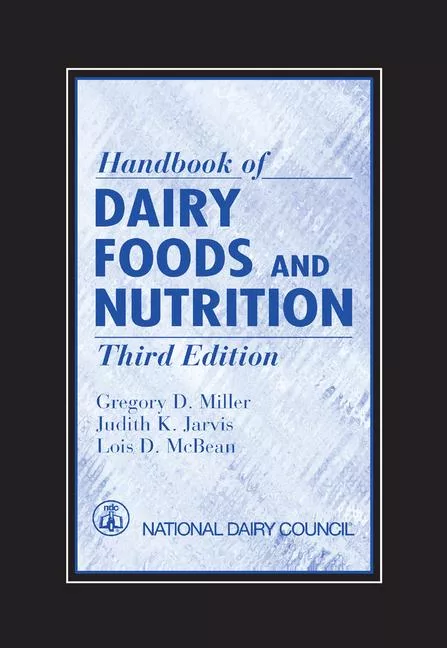
      Handbook of Dairy Foods and Nutrition, 3rd Edition

    • eng practices milk.jpg

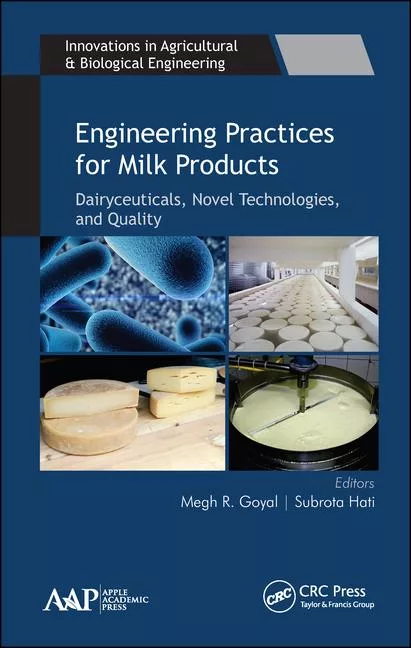
      Engineering Practices for Milk Products: Dairyceuticals, Novel Technologies, and Quality

    See More Products

    Events

    View AllSubmit An Event
    • July 17, 2025

      The Future of Dairy Processing: Exploring the Cost-Effectiveness of Next-Generation Reverse Osmosis Sanitary Membranes

      On-Demand Advances in milk processing and changing customer preferences are driving growth in the dairy market. Today, dairy processors face challenges in achieving energy savings while also improving yields without compromising performance. Membrane filtration offers a versatile solution, and advanced technology may be necessary depending on the desired outcome.
    View AllSubmit An Event

    Related Directories

    • Lynn Proteins

    ×

    Stay ahead of the curve. Unlock a dose of cutting-edge insights.

    Receive our premium content directly to your inbox.

    SIGN-UP TODAY
    • RESOURCES
      • Advertise
      • Contact Us
      • Directories
      • Store
      • Want More
    • SIGN UP TODAY
      • Create Account
      • eMagazine
      • Newsletter
      • Customer Service
      • Manage Preferences
    • SERVICES
      • Marketing Services
      • Reprints
      • Market Research
      • List Rental
      • Survey/Respondent Access
    • STAY CONNECTED
      • LinkedIn
      • Facebook
      • YouTube
      • X (Twitter)
    • PRIVACY
      • PRIVACY POLICY
      • TERMS & CONDITIONS
      • DO NOT SELL MY INFORMATION
      • PRIVACY REQUEST
      • ACCESSIBILITY

    Copyright ©2026. All Rights Reserved BNP Media, Inc. and BNP Media II, LLC.

    Design, CMS, Hosting & Web Development :: ePublishing