Dairy Foods logo
search
cart
facebook twitter linkedin youtube
  • Sign In
  • Create Account
  • Sign Out
  • My Account
Dairy Foods logo
  • NEWS
    • DAIRY REGULATIONS
  • PRODUCTS
    • New Products
    • Butter
    • Cheese
    • Cultured Dairy
    • Frozen Desserts
    • Ice Cream/Novelties
    • Milk
    • Non-Dairy Beverages
    • Sales Data
    • Whey, Milk Powder
    • Dairy Alternatives
  • INGREDIENTS
    • Cocoa
    • Colors/Flavors
    • Cultures/Enzymes
    • Fiber
    • Gums, Stabilizers, and Texturants
    • Inclusions
    • Omegas/Lipids
    • Prebiotics
    • Probiotics
    • Sweeteners
    • Other
  • OPERATIONS
    • SUSTAINABILITY
    • Equipment
    • Processing
    • Packaging
    • Food Safety & Sanitation
    • Membrane Technology
  • MEDIA
    • Dairy Foods TV
    • Podcasts
    • Webinars
  • DIRECTORIES
    • Buyers Guide
    • Dairy Plants USA
  • MEMBRANE FORUM
  • MORE
    • Associations
    • Dairy Foods' News & Views Newsletter
    • Blogs
    • Case Studies
    • Classifieds
    • Custom Content & Marketing Services
    • Dairy Foods Store
    • Market Research
    • Supplier Spotlights
    • Tradeshows and Events
    • Strategy Guides
  • AWARDS
    • Dairy Plant of the Year Award
    • Breakthrough Award
    • Dairy Processor of the Year
  • EMAGAZINE
    • eMagazines
    • Archive Issues
    • Contact
    • Advertise
    • SIGN UP!
    • Columnists
    • Dairy 100
    • State of the Industry Report
    Case Studies

    Cheese brine treatment helps improve shelf life for consumers
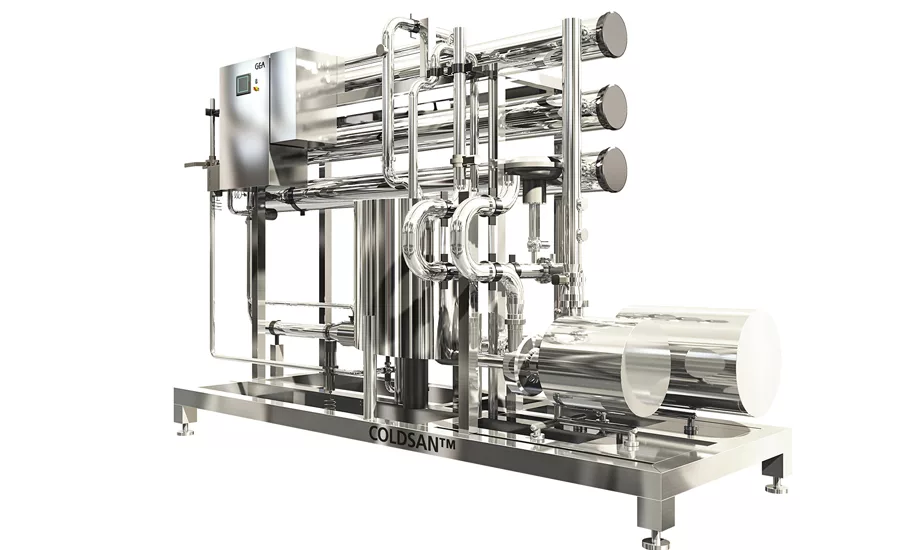
    gea coldsan

    COLDSAN™ from GEA

    May 16, 2016

    The process for manufacturing many types of cheese, including the Dutch type cheeses such as Edam or Gouda, requires the pressed cheese to pass through a curing stage in a brine bath to enhance the taste and texture. Over time the brine becomes enriched withfats, proteins and lactose out of the cheese. At the same time yeasts and molds can develop which might need to be cleaned: this can be achieved using, for example, microfiltration.  However, as well as maintaining the shelf life of the brine, this process can also have an additional, and unexpected, benefit for the consumer.

    The chemical and microbiological composition of the cheese brine is important for the optimal development of the cheese flavor. But cheese brine may contain undesired microorganisms such as gas-producing lactobacilli, pigment producing micrococcus, pathogenic bacteria, yeast and mold. Microfiltration has proven to be a superior technology for the sanitation and purification of cheese brine as it is a clean process which physically removes the microorganisms, dead cells and physical contaminants from the brine without any significant change to the chemical composition.

    Microfiltration is now widely used as a practical and environmentally sustainable method of removing contamination from the brine and maintaining its chemical equilibrium. GEA has developed its COLDSAN™ technology expressly for this purpose. Using microfiltration the brine solution maintains a more consistent ionic balance which promotes salt uptake by the cheese and avoids cheese softening.

    Maintaining the microbiological composition of the brine not only improves efficiency and reduces disposal costs for the manufacturer, it also has a consequential benefit for the consumer. After curing, most cheeses go through a maturation period in which they are stored for a period of weeks. During this time they are protected in many cases with a plastic film that prevents any bacteria on the cheese surface from growing. However, when the maturation is complete, cheeses are often sliced and repackaged conveniently for consumers.

    Slicing the cheese may redistribute any surface bacteria onto the faces of the cheese slices. Repackaging is usually in blister packs in which the oxygen has been removed or replaced with an inert gas, such as nitrogen, to prevent bacterial growth. However, as soon as the consumer opens the package, the initial bacterial load on the surface of the cheese becomes important. The more bacteria present, the less time the cheese will remain usable. 

    Through efficient cleaning of the brine used for curing the cheese, the bacterial load on the cheese surface, and consequently on the surfaces of the cheese slices can be significantly reduced. This extends the usable life of the cheese, saves money for the consumer and avoids waste.

    Olaf Drewelowsky from GEA said that although GEA systems are primarily aimed at creating efficiencies for manufacturers, in this case there was a clear benefit for consumers as well. “All consumers are keen to keep food fresh as long as possible and reduce waste,” he said. “When manufacturers use COLDSAN™ to keep their brines in good condition, they are also adding value for the consumer and enhancing the perceived quality of their product. Everyone wins!”

    Membrane filtration is simple to operate and easy to install in new systems or retrofit in existing plants. 

    GEA North America
    9165 Rumsey Road
    Columbia MD 21045
    United States
    Tel +1 844 432 2329
    Fax +1 410 997 5021
    E-mail: sales.unitedstates@gea.comgea.com
    www.gea.com
    KEYWORDS: cheesemaking cheesemaking equipment equipment for dairy processing equipment for dairy processors

    Share This Story

    Looking for a reprint of this article?
    From high-res PDFs to custom plaques, order your copy today!

    Recommended Content

    JOIN TODAY
    to unlock your recommendations.

    Already have an account? Sign In

    • Lifeway Organic Kefir in different flavors inside a refrigerated grocery shelf.

      Dairy Foods names Lifeway Foods 2025 Processor of the Year

      Lifeway Foods donates $10,000 to wildfire victims,...
      Cultured Dairy
      By: Brian Berk
    • Two female farmers are standing in a field, holding a large milk canister, looking at several cows at dairy farm.

      Honoring Women Leaders Shaping the Dairy Industry

      For the fourth consecutive year, Dairy Foods is proud to...
      Innovation
      By: Barbara Harfmann
    • Main feature for State of the Industry with dairy products album cover with a gradient circular--patterned backgorund.

      2025 State of the Dairy Industry

      Welcome to the 2025 State of the Industry report. For...
      Dairy Foods & Beverages
    Manage My Account
    • eMagazine Subscription
    • Dairy Foods News & Views Newsletter
    • Online Registration
    • Manage My Preferences
    • Subscription Customer Service
    • Connect with Dairy Foods

    More Videos

    Popular Stories

    Close up of man adding Greek yogurt while preparing healthy smoothie in the kitchen.

    An expert guide to dairy and GLP-1 receptor agonists

    Splash of milk in form of arm muscle. 3D illustration.

    Protein: The Powerhouse of Health and Wellness

    Grilling foods

    Dairy’s Enduring Moment: Why Resilience and Renewal Define Today’s Dairy Story

    Nominate your product for the 2026 Dairy Foods Product of the Year!


    MTF webinar


    Food Safety webinar

    Events

    July 8, 2026

    Membrane Purification Enables Clean Beauty Actives

    The global cosmetics market is undergoing a major shift towards the use of natural bioactive ingredients as consumers grow more skeptical of traditional formulations and demand greater transparency and sustainability.

    July 8, 2026

    Advancements in RO for Dairy Processing

    Reverse osmosis (RO) membranes are well established in dairy processing but continue to evolve to improve performance, reduce energy use, and increase operational longevity. 

    View All Submit An Event

    Products

    Probiotic Ice Cream: Science and Technology

    Probiotic Ice Cream: Science and Technology

    See More Products
    health and wellness


    plant of the year

    Related Articles

    • Good sanitation can improve shelf life

      See More
    • Evolution sanitary anti-fouling membrane elements.

      Membrane technology helps improve product yield

      See More
    • Quality on the Line: Identifying Spoilage Bacteria and Potential Shelf-Life Problems

      See More

    Related Products

    See More Products
    • df emerging.jpg

      Emerging Dairy Processing Technologies: Opportunities for the Dairy Industry

    • GlobalData_Consumer.jpg

      Cheese (Dairy & Soy Food) Market in North America - Outlook to 2022: Market Size, Growth and Forecast Analytics

    • Handbook of Antioxidants for Food Preservation, 1st Edition

    See More Products

    Events

    View AllSubmit An Event
    • September 18, 2018

      Extended Shelf Life: Adding Value to Pasteurized Milk

      ON DEMAND: Non-thermal technologies and more Milk is changing. As consumer preferences shift, new technologies are giving dairy processors fresh opportunities to differentiate themselves. Dairy plants are looking at the benefits of Extended Shelf Life (ESL) milk to add value to their products and give themselves an edge in a competitive marketplace.
    View AllSubmit An Event
    ×

    Stay ahead of the curve. Unlock a dose of cutting-edge insights.

    Receive our premium content directly to your inbox.

    SIGN-UP TODAY
    • RESOURCES
      • Advertise
      • Contact Us
      • Directories
      • Store
      • Want More
    • SIGN UP TODAY
      • Create Account
      • eMagazine
      • Newsletter
      • Customer Service
      • Manage Preferences
    • SERVICES
      • Marketing Services
      • Reprints
      • Market Research
      • List Rental
      • Survey/Respondent Access
    • STAY CONNECTED
      • LinkedIn
      • Facebook
      • YouTube
      • X (Twitter)
    • PRIVACY
      • PRIVACY POLICY
      • TERMS & CONDITIONS
      • DO NOT SELL MY INFORMATION
      • PRIVACY REQUEST
      • ACCESSIBILITY

    Copyright ©2026. All Rights Reserved BNP Media, Inc. and BNP Media II, LLC.

    Design, CMS, Hosting & Web Development :: ePublishing