Dairy Foods logo
search
cart
facebook twitter linkedin youtube
  • Sign In
  • Create Account
  • Sign Out
  • My Account
Dairy Foods logo
  • NEWS
    • DAIRY REGULATIONS
  • PRODUCTS
    • New Products
    • Butter
    • Cheese
    • Cultured Dairy
    • Frozen Desserts
    • Ice Cream/Novelties
    • Milk
    • Non-Dairy Beverages
    • Sales Data
    • Whey, Milk Powder
    • Dairy Alternatives
  • INGREDIENTS
    • Cocoa
    • Colors/Flavors
    • Cultures/Enzymes
    • Fiber
    • Gums, Stabilizers, and Texturants
    • Inclusions
    • Omegas/Lipids
    • Prebiotics
    • Probiotics
    • Sweeteners
    • Other
  • OPERATIONS
    • SUSTAINABILITY
    • Equipment
    • Processing
    • Packaging
    • Food Safety & Sanitation
    • Membrane Technology
  • MEDIA
    • Dairy Foods TV
    • Podcasts
    • Webinars
  • DIRECTORIES
    • Buyers Guide
    • Dairy Plants USA
  • MEMBRANE FORUM
  • MORE
    • Associations
    • Dairy Foods' News & Views Newsletter
    • Blogs
    • Case Studies
    • Classifieds
    • Custom Content & Marketing Services
    • Dairy Foods Store
    • Market Research
    • Supplier Spotlights
    • Tradeshows and Events
    • Strategy Guides
  • AWARDS
    • Dairy Plant of the Year Award
    • Breakthrough Award
    • Dairy Processor of the Year
  • EMAGAZINE
    • eMagazines
    • Archive Issues
    • Contact
    • Advertise
    • SIGN UP!
    • Columnists
    • Dairy 100
    • State of the Industry Report
    Ingredients for Dairy ProcessorsDairy Foods ColumnistsProbiotics

    Protecting probiotics’ positive image

    Do all probiotics in dairy products deliver on their promises? Find out more.

    By Karen Giles-Smith MS, RD
    August 22, 2012

    Probiotic-containing dairy products are gaining in popularity and consumers put their trust in these products, assuming they will receive the probiotic effect the package promises.

    Not all products deliver on their promises, however, according to Mary Ellen Sanders, MS, PhD, consultant, Dairy & Food Culture Technologies, and executive director, International Scientific Association for Probiotics and Prebiotics. Independent testing discovered that some probiotic products don’t contain what is claimed, said Sanders. In addition, some claims aren’t backed by enough evidence to support the benefit of that particular probiotic strain.

    Working with probiotics is no easy task for probiotic suppliers and dairy processors. In terms of technology, the biggest challenge is keeping probiotics alive so they’re viable when they reach the target site in the human body. “Some microorganisms are a bit labile in terms of exposure to environmental stresses,” said Sanders. “Manufacturers and processors need to be careful and clever as to how they [handle probiotics].” Another challenge is accruing convincing evidence through human studies to support a claim. “It’s expensive and difficult to do,” said Sanders. “In the U.S., studies have to be done in healthy people, but how do you show that a probiotic makes healthy people healthier?” Yet another challenge: Although many studies demonstrate probiotics’ positive effects, it’s hard to translate to food and human health.

    Despite these challenges, it’s imperative — both for business success and consumer protection — that probiotic products deliver what they say they do. “There is no third party validation or verification on the type of probiotic, the levels of live microorganism delivered, or the health benefit statement on the label,” said Sanders. “There is a need for that.”

    That’s where the U.S. Pharmacopeia (USP) comes in, according to Markus Lipp, PhD, director of food standards for USP, an independent, not-for-profit organization. To help probiotic suppliers and food manufacturers maintain product quality and authenticity, thereby generating trust in the food supply chain and keeping food safe, USP is developing standards — both written specifications and reference materials — for probiotic testing, including probiotic identity, quantity and activity, which will be included in the Food Chemical Codex (FCC).

    “The industry comes to USP to develop probiotic testing protocols,” said Lipp. “And we are here to help the industry devise public standards so probiotic testing, by independent laboratories and food manufacturers themselves, will obtain the most accurate and meaningful results. The standards are easy to defend because they are non-biased, third-party and independent.”

    Collaborating with USP to develop standards for probiotic testing is free of charge to businesses. And although probiotic testing is not mandatory, said Lipp, many of USP’s food standards are quoted in the code of federal regulations to define food grade.
    Although USP issues a “USP verified” seal for dietary supplements, Lipp said USP currently does not award a similar seal for food ingredients. Some food products include statements on packaging that indicate adherence to FCC standards — such claims are not policed by USP, but Lipp said inaccurate statements may incur penalties from the marketplace.

    In December 2012, USP plans to publish its first testing standards for an individual probiotic strain for a three-month public review. This follows a general information appendix that USP recently developed addressing critical quality issues to consider when utilizing probiotics and other microbial food cultures.
    “The finalized standards will be revised on an ongoing basis to keep it relevant for everyone in the food supply chain,” said Lipp. “Standards ensure there is a way to verify that a claim is correct and that the probiotic quality is the same throughout the food supply chain. Quality, authenticity and safety is important for the integrity of brand name and brand image.”
     

    KEYWORDS: dairy products ingredients ingredients for dairy processing probiotics

    Share This Story

    Looking for a reprint of this article?
    From high-res PDFs to custom plaques, order your copy today!

    Karen Giles-Smith is a registered dietitian in Michigan with 23 years experience in the field of nutrition including clinical dietetics, nutrition education, and broadcast and print communications. She earned a master of science in human nutrition from Case Western Reserve University, Cleveland, and a bachelor of science in food science and nutrition from Marygrove College, Detroit. Karen blogs at www.thewellnesswriter.com/blog.

    Recommended Content

    JOIN TODAY
    to unlock your recommendations.

    Already have an account? Sign In

    • Lifeway Organic Kefir in different flavors inside a refrigerated grocery shelf.

      Dairy Foods names Lifeway Foods 2025 Processor of the Year

      Lifeway Foods donates $10,000 to wildfire victims,...
      Dairy Foods & Beverages
      By: Brian Berk
    • Two female farmers are standing in a field, holding a large milk canister, looking at several cows at dairy farm.

      Honoring Women Leaders Shaping the Dairy Industry

      For the fourth consecutive year, Dairy Foods is proud to...
      Dairy Foods & Beverages
      By: Barbara Harfmann
    • Main feature for State of the Industry with dairy products album cover with a gradient circular--patterned backgorund.

      2025 State of the Dairy Industry

      Welcome to the 2025 State of the Industry report. For...
      Ingredients for Dairy Processors
    Manage My Account
    • eMagazine Subscription
    • Dairy Foods News & Views Newsletter
    • Online Registration
    • Manage My Preferences
    • Subscription Customer Service
    • Connect with Dairy Foods

    More Videos

    Popular Stories

    Close up of a whipped frozen dessert with a light green color.

    The keys to high-protein dairy formulations

    A young Asian mother holding her son and a sippy cup, an older woman is in the blurred background.

    Finding the right infant formula is crucial to a baby’s growth and development

    A row of Frios Gourmet Pops with a tie dye pattern as a background.

    How Frios Gourmet Pops delivers happiness

    Outlook Report: Women in Dairy

    Products

    Probiotic Ice Cream: Science and Technology

    Probiotic Ice Cream: Science and Technology

    See More Products
    Let's Talk Dairy podcast promo

    Related Articles

    • Dairy products and probiotics make the perfect match

      See More
    • Live long and prosper with probiotics

      See More
    • Science is progressing on probiotics and health

      See More

    Related Products

    See More Products
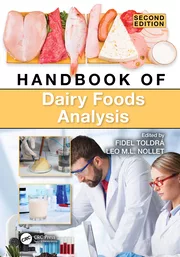
    • foods analysis.jpg

      Handbook of Dairy Foods Analysis, 2nd Edition

    See More Products
    ×

    Stay ahead of the curve. Unlock a dose of cutting-edge insights.

    Receive our premium content directly to your inbox.

    SIGN-UP TODAY
    • RESOURCES
      • Advertise
      • Contact Us
      • Directories
      • Store
      • Want More
    • SIGN UP TODAY
      • Create Account
      • eMagazine
      • Newsletter
      • Customer Service
      • Manage Preferences
    • SERVICES
      • Marketing Services
      • Reprints
      • Market Research
      • List Rental
      • Survey/Respondent Access
    • STAY CONNECTED
      • LinkedIn
      • Facebook
      • YouTube
      • X (Twitter)
    • PRIVACY
      • PRIVACY POLICY
      • TERMS & CONDITIONS
      • DO NOT SELL MY INFORMATION
      • PRIVACY REQUEST
      • ACCESSIBILITY

    Copyright ©2026. All Rights Reserved BNP Media, Inc. and BNP Media II, LLC.

    Design, CMS, Hosting & Web Development :: ePublishing