 RSS
RSS

Operations

Take a holistic approach to a hygienic design plan
Companies should look beyond design and include all policies and programs that affect cleanability and inspectability.
Read More

Dairy processors catch the packaging wave
A growing array of packaging technologies and materials is helping to make dairy products more appealing, but leveraging the ideal options can be challenging.
Read More

At long last, FDA’s new yogurt standard is here
IDFA commends the FDA for taking this first step for the benefit of consumers, industry and public health.
Read More
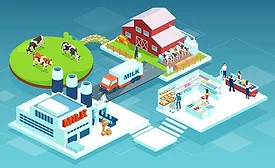
Sustainability enters the dairy supply chain spotlight
Dairy processors can appeal to the large base of eco-conscious consumers by emphasizing sustainability throughout their supply chains, but compliance can be complex.
Read More

Technology helped some dairy processors flourish during the pandemic
Those companies that implemented technology prior to the COVID-19 pandemic were able to adjust quickly and avoid the challenges felt by others lacking innovation.
Read More
The unintended consequences of ransomware attacks on manufacturing companies
The consequences can be catastrophic, ranging from lost revenue due to downtime and disruptions to damage to a company's brand and reputation and a long list of expensive recovery costs.
Read More

Dairy plants seek sustainability solutions
Dairy processors have a plethora of options to green up their operations.
Read More


‘Green up’ your dairy packaging
Consumers — millennials and younger consumers, in particular — are prioritizing packaging sustainability and are willing to pay for it.
Read More
