Velvet Ice Cream, Utica, Ohio, relaunched the Elephant Ear ice cream flavor to its line, which was first introduced at the Ohio State Fair last year and was brought back by popular demand.
Consumers’ preference for natural over processed shows in cheese sales. While natural cheese sales remained positive, processed cheese continues to see declines. Consumers are opting for natural slices, sticks and shredded cheese.
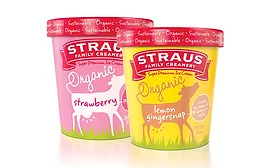
Petaluma, Calif.-based Straus Family Creamery, introduced two new organic ice cream flavors — lemon gingersnap (lemon ice cream, blended with gluten-free cookies) and strawberry.
Small-batch ice cream maker Little Baby’s Ice Cream, Philadelphia, Pa., expanded its distribution with a new line of pints in new packaging that is 100% recyclable and contains no plastic.
Prosperity Organic Foods Inc., Boise, Idaho, the maker of Melt organic dairy-free buttery spreads, launched Probiotic Melt at the Fancy Food Show in January.
 RSS
RSS