Dairy Foods logo
search
cart
facebook twitter linkedin youtube
  • Sign In
  • Create Account
  • Sign Out
  • My Account
Dairy Foods logo
  • NEWS
    • DAIRY REGULATIONS
  • PRODUCTS
    • New Products
    • Butter
    • Cheese
    • Cultured Dairy
    • Frozen Desserts
    • Ice Cream/Novelties
    • Milk
    • Non-Dairy Beverages
    • Sales Data
    • Whey, Milk Powder
    • Dairy Alternatives
  • INGREDIENTS
    • Cocoa
    • Colors/Flavors
    • Cultures/Enzymes
    • Fiber
    • Gums, Stabilizers, and Texturants
    • Inclusions
    • Omegas/Lipids
    • Prebiotics
    • Probiotics
    • Sweeteners
    • Other
  • OPERATIONS
    • SUSTAINABILITY
    • Equipment
    • Processing
    • Packaging
    • Food Safety & Sanitation
    • Membrane Technology
  • MEDIA
    • Dairy Foods TV
    • Podcasts
    • Webinars
  • DIRECTORIES
    • Buyers Guide
    • Dairy Plants USA
  • MEMBRANE FORUM
  • MORE
    • Associations
    • Dairy Foods' News & Views Newsletter
    • Blogs
    • Case Studies
    • Classifieds
    • Custom Content & Marketing Services
    • Dairy Foods Store
    • Market Research
    • Supplier Spotlights
    • Tradeshows and Events
    • Strategy Guides
  • AWARDS
    • Dairy Plant of the Year Award
    • Breakthrough Award
    • Dairy Processor of the Year
  • EMAGAZINE
    • eMagazines
    • Archive Issues
    • Contact
    • Advertise
    • SIGN UP!
    • Columnists
    • Dairy 100
    • State of the Industry Report
    Dairy Foods Columnists

    How cultured dairy products can have a long shelf life and a clean label

    Your cultured dairy products can have a long shelf life and a clean label. Lactic acid bacteria will produce compounds that have antimicrobial activity against bacteria, yeasts and molds.

    By Phillip S. Tong
    December 15, 2012
    When consumers grow interested in what is in their food, they read product labels. And when shoppers read product labels that include potassium sorbate, nisin, maltodextrins, carrageenan, sodium benzoate and so on, they put your product back on the shelf.
     
    After several weeks of stagnant sales, the store manager calls the distributor and says he will not carry the products anymore. The distributor calls the manufacturer and says “no one wants your product” and stops all weekly orders.
     
    As the manufacturer, you stop or substantially curtail production and your plant is left with hundreds of thousands of pre-labeled containers and a workforce that starts taking more coffee breaks since it is not busy filling product orders.
     
    The caffeine-laden plant workers then build play structures from the thousands of cups laying around the plant and start climbing on them to use up their nervous energy. Someone falls, gets hurt and sues your company.
     
    Don’t get sued! Get thinking. Use label-friendly approaches to improve product shelf life.
     
    While this full scenario is unlikely, the reality is that consumers want clean product labels and expect good product shelf life.
     
     
    Fermentation is effective
     
    Fermentation of foods was originally a means of preserving the nutrients for later consumption. Lactic fermentations produce a wide array of metabolic products that are effective antimicrobial compounds and can help to stabilize the milk gel structures that are desired in cultured dairy products.
     
    While such metabolic products can be there in significant quantities, they do not trigger a label declaration since they are the result of fermentation and not an added ingredient. Additionally, there are “consumer friendly” food ingredients that when directly added to cultured dairy products impart desirable improvements in shelf life, texture and flavor.
     
     
    Enhancing the shelf life
     
    Several lactic acid bacteria produce a range of compounds that have antimicrobial activity against bacteria, yeasts and molds, which enhance the shelf life. One class of these metabolites from lactic acid bacterial growth are organic acids (lactic, formic, acetic and propionic) that lower the pH and serve in their undissociated form as effective antibacterial agents. Bacteriocins (lacticin, nisin, thermophilin, pediocin) are proteins and polypeptides that are produced by lactic acid bacteria and can have bactericidal activity. These bacteriocins have been shown to have activity against pathogenic and spoilage microorganisms.
     
    Many lactic acid bacteria produce hydrogen peroxide, which acts as a strong oxidizing agent to destroy bacterial activity. Additionally, when this hydrogen peroxide is coupled with the naturally present lactoperoxidase-thiocyanate system in milk, hypothiocyanates and other products form and inhibit growth of undesirable spoilage microorganisms.
     
    Low molecular weight carbonyls produced during lactic fermentations, like diacetyl, which is known for its desirable flavor characteristics, is also antimicrobial at low pH. While the diacetyl levels are generally lower than what is necessary to be antimicrobial, its presence along with other antimicrobial compounds produced during lactic fermentation may have a role in control of spoilage bacteria.
     
    The production of many of these antibacterial compounds is species- and strain-specific. For example, while production of bacteriocins by lactic acid bacteria is common, many strains of lactic acid bacteria used in multistrain cultures have not included those strains that produce bacteriocins. Hence, the heightened awareness for “label friendly” ingredient statements will elevate the value of production of antibacterial compounds as a higher priority in culture selection and development.
     
     
    Packing and process innovation
     
    The basic principles of effective cleaning and sanitation can work wonders to insure good product shelf life.
     
    Taking advantage of the latest “clean fill and sealing” technologies can also be helpful. Another option is the use of carbon dioxide to extend product shelf life, as long as you don’t mind your ingredient statement saying “carbon dioxide (to preserve product quality). It has been used very effectively in cottage cheese, extending shelf life to as long as 35 to 75 days.
     
    Taking full advantage of heat treatments to insure appropriate heat denaturation for gel strength and water-holding capacity makes perfect sense in this context. Additionally, post-fermentation handling of the product (minimal shear, proper cooling) can also insure that the texture of the fermented products does not get destroyed by the time it reaches the consumer.
     
    Clean labels and great product quality over an extended shelf life are the prerequisites for strong product sales. Hopefully, this will avoid any unintended consequences of long and complicated ingredient statements.
    KEYWORDS: cultured dairy products dairy product shelf life fermentation

    Share This Story

    Looking for a reprint of this article?
    From high-res PDFs to custom plaques, order your copy today!

    Phillip S. Tong, Ph.D., is Professor of Dairy Science at the Dairy Products Technology Center, California Polytechnic State University, San Luis Obispo, Calif.

    Recommended Content

    JOIN TODAY
    to unlock your recommendations.

    Already have an account? Sign In

    • Lifeway Organic Kefir in different flavors inside a refrigerated grocery shelf.

      Dairy Foods names Lifeway Foods 2025 Processor of the Year

      Lifeway Foods donates $10,000 to wildfire victims,...
      Dairy Processor News
      By: Brian Berk
    • Two female farmers are standing in a field, holding a large milk canister, looking at several cows at dairy farm.

      Honoring Women Leaders Shaping the Dairy Industry

      For the fourth consecutive year, Dairy Foods is proud to...
      Innovation
      By: Barbara Harfmann
    • Main feature for State of the Industry with dairy products album cover with a gradient circular--patterned backgorund.

      2025 State of the Dairy Industry

      Welcome to the 2025 State of the Industry report. For...
      Sales Data
    Manage My Account
    • eMagazine Subscription
    • Dairy Foods News & Views Newsletter
    • Online Registration
    • Manage My Preferences
    • Subscription Customer Service
    • Connect with Dairy Foods

    More Videos

    Popular Stories

    An overhead and close-up view of a bowl of cottage cheese topped with fresh blueberries.

    Cottage cheese sales top $2 Billion

    Kemps debuts new milk products

    Kemps debuts Protein+ Milk

    A young Asian mother holding her son and a sippy cup, an older woman is in the blurred background.

    Finding the right infant formula is crucial to a baby’s growth and development

    Outlook Report: Women in Dairy

    Products

    Probiotic Ice Cream: Science and Technology

    Probiotic Ice Cream: Science and Technology

    See More Products
    Let's Talk Dairy podcast promo

    Related Articles

    • packing technology

      ESL and aseptic have a long shelf life

      See More
    • kj burrington

      Extend the shelf life of cultured dairy products

      See More
    • How to approach the call for a clean label

      See More

    Related Products

    See More Products
    • yogert and other.jpg

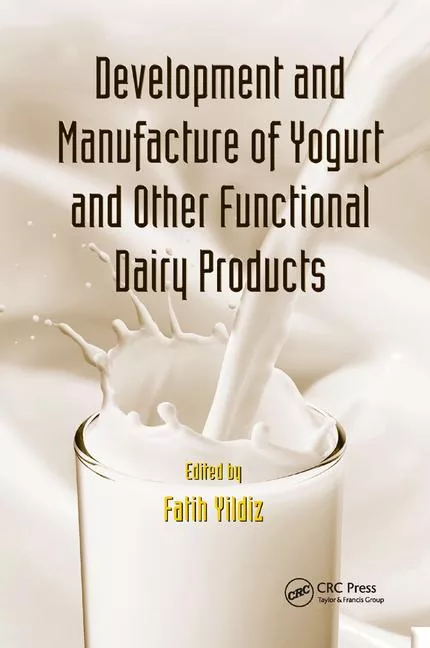
      Development and Manufacture of Yogurt and Other Functional Dairy Products

    • advances.jpg

      Advances in Dairy Products

    See More Products

    Related Directories

    • F & A Dairy Products Inc. (Dresser, WI)

    • F & A Dairy Products Inc. (Las Cruces, NM)

    • Red Barn Dairy Products

    ×

    Stay ahead of the curve. Unlock a dose of cutting-edge insights.

    Receive our premium content directly to your inbox.

    SIGN-UP TODAY
    • RESOURCES
      • Advertise
      • Contact Us
      • Directories
      • Store
      • Want More
    • SIGN UP TODAY
      • Create Account
      • eMagazine
      • Newsletter
      • Customer Service
      • Manage Preferences
    • SERVICES
      • Marketing Services
      • Reprints
      • Market Research
      • List Rental
      • Survey/Respondent Access
    • STAY CONNECTED
      • LinkedIn
      • Facebook
      • YouTube
      • X (Twitter)
    • PRIVACY
      • PRIVACY POLICY
      • TERMS & CONDITIONS
      • DO NOT SELL MY INFORMATION
      • PRIVACY REQUEST
      • ACCESSIBILITY

    Copyright ©2026. All Rights Reserved BNP Media, Inc. and BNP Media II, LLC.

    Design, CMS, Hosting & Web Development :: ePublishing