Dairy Foods logo
search
cart
facebook twitter linkedin youtube
  • Sign In
  • Create Account
  • Sign Out
  • My Account
Dairy Foods logo
  • NEWS
    • DAIRY REGULATIONS
  • PRODUCTS
    • New Products
    • Butter
    • Cheese
    • Cultured Dairy
    • Frozen Desserts
    • Ice Cream/Novelties
    • Milk
    • Non-Dairy Beverages
    • Sales Data
    • Whey, Milk Powder
    • Dairy Alternatives
  • INGREDIENTS
    • Cocoa
    • Colors/Flavors
    • Cultures/Enzymes
    • Fiber
    • Gums, Stabilizers, and Texturants
    • Inclusions
    • Omegas/Lipids
    • Prebiotics
    • Probiotics
    • Sweeteners
    • Other
  • OPERATIONS
    • SUSTAINABILITY
    • Equipment
    • Processing
    • Packaging
    • Food Safety & Sanitation
    • Membrane Technology
  • MEDIA
    • Dairy Foods TV
    • Podcasts
    • Webinars
  • DIRECTORIES
    • Buyers Guide
    • Dairy Plants USA
  • MEMBRANE FORUM
  • MORE
    • Associations
    • Dairy Foods' News & Views Newsletter
    • Blogs
    • Case Studies
    • Classifieds
    • Custom Content & Marketing Services
    • Dairy Foods Store
    • Market Research
    • Supplier Spotlights
    • Tradeshows and Events
    • Strategy Guides
  • AWARDS
    • Dairy Plant of the Year Award
    • Breakthrough Award
    • Dairy Processor of the Year
  • EMAGAZINE
    • eMagazines
    • Archive Issues
    • Contact
    • Advertise
    • SIGN UP!
    • Columnists
    • Dairy 100
    • State of the Industry Report
    Ingredients for Dairy Processors

    A Culture for Low-fat Cheese
    December 13, 2004
    Denmark's Arla Foods has had great success with low-fat cheese using a specific culture strain now available to U.S. cheesemakers

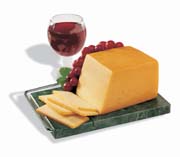
    Cultures release enzymes that decrease bitterness in low-fat cheese.
    When it comes to low-fat cheese, many consumers recall their first experience with the bitter taste and unusual texture of a product hardly resembling cheese. For a good number of these consumers, their first experience with low-fat cheese was also their last. While they liked the concept of low-fat cheese, consumers were not about to sacrifice the cheese flavor they loved just to avoid a few grams of fat.

    Fortunately, changes in consumer eating patterns and vast improvements in cheese technol-ogy have revived interest in low-fat cheese. Cheese sales in the United States continue to rise sharply as low-carbohydrate dieters consume increasing quantities of cheese and other high-protein foods. While the increase in cheese consumption is good news for the dairy industry, the high levels of fat found in many types of cheese can be bad news for individuals concerned about heart disease and other health issues related to increased fat intake.

    That's where improvements in cheese technology come in. While experiences with early low-fat (so-called) cheese might have been unpleasant, today it is possible to produce low-fat cheese that tastes and performs just like its full-fat counterpart. These major improvements in low-fat cheese technology can be attributed largely to new ripening systems that are now commercially available.

    One such product is Enzobact®, a cheese-ripening culture specially developed to improve the quality of low-fat cheese. Enzobact is a heat-treated Lactobacillus helveticus strain that, during cheese production, releases a high level of enzymatic activity (called aminopeptidases). This decreases the bitterness often found in low-fat cheese. Because this activity reduces the presence of bitter peptides, the resulting formation of amino acids and small peptides generates enhanced flavor development. Finally, texture and consistency are improved by Enzobact's ability to break down hydrophobic (water-repelling) peptides, producing a product that resembles, well, cheese.

    Enzobact is produced and marketed by Medipharm, a subsidiary of Arla Foods in Denmark. It delivers all of the cheese attributes that consumers crave, but it does so with a substantial reduction in fat content. In fact, some of the tasty cheeses produced by Arla using Enzobact contain as little as 5% fat.

    Not only does the culture produce great-tasting, low-fat cheese, it is very easy to use during cheese production: Simply add it to the cheesemilk before renneting takes place. It has no negative effect on the cheesemaking process or cheese yield, and is primarily suited for use in semi-hard cheeses such as Cheddar, Gouda and Swiss. Enzobact can also be used effectively in full-fat varieties to improve flavor and texture.

    There's no denying that millions of consumers love cheese. Now there is a way to offer health-conscious consumers the taste they love and a fat content they can live with.

    Share This Story

    Looking for a reprint of this article?
    From high-res PDFs to custom plaques, order your copy today!

    Recommended Content

    JOIN TODAY
    to unlock your recommendations.

    Already have an account? Sign In

    • Lifeway Organic Kefir in different flavors inside a refrigerated grocery shelf.

      Dairy Foods names Lifeway Foods 2025 Processor of the Year

      Lifeway Foods donates $10,000 to wildfire victims,...
      Dairy Foods & Beverages
      By: Brian Berk
    • Two female farmers are standing in a field, holding a large milk canister, looking at several cows at dairy farm.

      Honoring Women Leaders Shaping the Dairy Industry

      For the fourth consecutive year, Dairy Foods is proud to...
      Dairy Foods & Beverages
      By: Barbara Harfmann
    • Main feature for State of the Industry with dairy products album cover with a gradient circular--patterned backgorund.

      2025 State of the Dairy Industry

      Welcome to the 2025 State of the Industry report. For...
      Dairy Foods & Beverages
    Manage My Account
    • eMagazine Subscription
    • Dairy Foods News & Views Newsletter
    • Online Registration
    • Manage My Preferences
    • Subscription Customer Service
    • Connect with Dairy Foods

    More Videos

    Popular Stories

    Close up of a whipped frozen dessert with a light green color.

    The keys to high-protein dairy formulations

    A young Asian mother holding her son and a sippy cup, an older woman is in the blurred background.

    Finding the right infant formula is crucial to a baby’s growth and development

    A row of Frios Gourmet Pops with a tie dye pattern as a background.

    How Frios Gourmet Pops delivers happiness

    Outlook Report: Women in Dairy

    Products

    Probiotic Ice Cream: Science and Technology

    Probiotic Ice Cream: Science and Technology

    See More Products
    Let's Talk Dairy podcast promo

    Related Articles

    • Low-Fat Cheese Research

      See More
    • Cholesterol-reducing Low-fat Cheese

      See More
    • A new texturing culture for sour cream and creamy buttermilk

      See More

    Related Products

    See More Products
    • Handbook of Antioxidants for Food Preservation, 1st Edition

    • GlobalData_Consumer.jpg

      Cheese (Dairy & Soy Food) Market in North America - Outlook to 2022: Market Size, Growth and Forecast Analytics

    • Dairy Microbiology: A Practical Approach

    See More Products

    Events

    View AllSubmit An Event
    • March 31, 2015

      Raising the bar with in-line mixing and blending technologies: high output with flexibility and low costs

      On Demand In this webinar, you will be introduced to advanced in-line blending, dosing and mixing technologies that offer high flexible productions, reduced product losses, shorter batch times, uniform products, and reduced ingredient costs. As a result, Food Manufacturers can optimize their productions and increase their profitability.
    View AllSubmit An Event

    Related Directories

    • Vivolac Cultures Corp.

      For over 50 years, Vivolac Cultures Corporation has remained a quality manufacturer of bacterial cultures. We specialize in providing innovative solutions and superior technical support for all your cultured product needs.
    • A&B Ingredients

      A&B Ingredients is a leading developer and distributor of high-quality natural food ingredients. Among the products offered are pea proteins, rice starches, clean-label high-performance starches, dietary fiber and inulin, antioxidants, antimicrobials, CytoGUARD natural preservatives, flavor enhancers, low-sodium sea salts, and plant-based probiotics.
    ×

    Stay ahead of the curve. Unlock a dose of cutting-edge insights.

    Receive our premium content directly to your inbox.

    SIGN-UP TODAY
    • RESOURCES
      • Advertise
      • Contact Us
      • Directories
      • Store
      • Want More
    • SIGN UP TODAY
      • Create Account
      • eMagazine
      • Newsletter
      • Customer Service
      • Manage Preferences
    • SERVICES
      • Marketing Services
      • Reprints
      • Market Research
      • List Rental
      • Survey/Respondent Access
    • STAY CONNECTED
      • LinkedIn
      • Facebook
      • YouTube
      • X (Twitter)
    • PRIVACY
      • PRIVACY POLICY
      • TERMS & CONDITIONS
      • DO NOT SELL MY INFORMATION
      • PRIVACY REQUEST
      • ACCESSIBILITY

    Copyright ©2026. All Rights Reserved BNP Media, Inc. and BNP Media II, LLC.

    Design, CMS, Hosting & Web Development :: ePublishing