Dairy Foods logo
search
cart
facebook twitter linkedin youtube
  • Sign In
  • Create Account
  • Sign Out
  • My Account
Dairy Foods logo
  • NEWS
    • DAIRY REGULATIONS
  • PRODUCTS
    • New Products
    • Butter
    • Cheese
    • Cultured Dairy
    • Frozen Desserts
    • Ice Cream/Novelties
    • Milk
    • Non-Dairy Beverages
    • Sales Data
    • Whey, Milk Powder
    • Dairy Alternatives
  • INGREDIENTS
    • Cocoa
    • Colors/Flavors
    • Cultures/Enzymes
    • Fiber
    • Gums, Stabilizers, and Texturants
    • Inclusions
    • Omegas/Lipids
    • Prebiotics
    • Probiotics
    • Sweeteners
    • Other
  • OPERATIONS
    • SUSTAINABILITY
    • Equipment
    • Processing
    • Packaging
    • Food Safety & Sanitation
    • Membrane Technology
  • MEDIA
    • Dairy Foods TV
    • Podcasts
    • Webinars
  • DIRECTORIES
    • Buyers Guide
    • Dairy Plants USA
  • MEMBRANE FORUM
  • MORE
    • Associations
    • Dairy Foods' News & Views Newsletter
    • Blogs
    • Case Studies
    • Classifieds
    • Custom Content & Marketing Services
    • Dairy Foods Store
    • Market Research
    • Supplier Spotlights
    • Tradeshows and Events
    • Strategy Guides
  • AWARDS
    • Dairy Plant of the Year Award
    • Breakthrough Award
    • Dairy Processor of the Year
  • EMAGAZINE
    • eMagazines
    • Archive Issues
    • Contact
    • Advertise
    • SIGN UP!
    • Columnists
    • Dairy 100
    • State of the Industry Report

    Catching the Wave of Drinkable Yogurts

    September 1, 2003
    Many possibilities for a category still being defined

    Drinkable yogurts are a re-emerging presence in the dairy case, and there seem to be as many styles of products as there are manufacturers.

    As with all product development efforts, it is critical to begin with a clear vision of the end product. Knowing the preferences of the target market helps define such important product characteristics as viscosity, flavor, color, the presence or absence of fruit particulates, sweetener and level of sweetness, degree of acidity and nutritional considerations such as added dietary fiber or probiotic cultures.

    Choices must also be made about the positioning of the finished product in the marketplace. Some new offerings are branded as yogurts, and therefore must meet the standard of identity for this class of products. Others are labeled "smoothies" or some other fanciful name, which gives greater latitude in formulation.

    Viscosity and product stabilization

    Drinkable yogurts vary greatly in viscosity. Some are very thin, with an almost milk-like viscosity, while others are custard-like. Most fall somewhere in between these two extremes.

    Very thin products can be made using pectins or alginates as the primary stabilizers. Typical usage rates are 0.3%-0.5%. Because of electrostatic changes that occur in the casein molecules during the culturing process, these stabilizers must be added to the yogurt after fermentation, which requires post-fermentation homogenization. A combination of guar gum and carrageenan can also provide a thin viscosity product without the need for down-stream homogenization. Products with mid-range to custard-like viscosities often use starches or modified food starches as the primary stabilizer at usages rates of 0.8%-2.0%.

    Flavors, fruits and colors

    Consumers are drawn to try new products based on flavor offerings. While traditional fruit flavors still dominate the category, people are intrigued by such exotic flavors as guava or mango, new flavor combinations such as peach and passion fruit, or ethnically oriented flavors. By offering new flavors and enhancing brightness and intensity, manufacturers are finding success in attracting and holding new consumers.

    Whether to use fruits, purees, flavors or some combination of all three in a given formula is more of a market direction decision than a product quality decision. Exceptional products can be made regardless of this choice. However, choice of stabilizer and finished product viscosity is influenced by the presence or absence of fruit particulates.

    Products containing particulates tend to be medium to thick viscosity, and the percentage of fruit content typically ranges from 2%-8%. The fruit pieces themselves tend to be shreds as opposed to chunks.

    In general, drinkable yogurt offerings in the United States tend to be fairly mild in acidity. Most are pH 4.2-4.5, with very few less than pH 4.0.

    Nutrition and composition considerations

    All yogurt and yogurt-containing products benefit from a "healthy halo," the perceived healthful benefit of consuming yogurts. This provides a marketing edge, which some manufacturers are further enhancing through the incorporation of prebiotics and probiotics.

    Prebiotics are dietary fibers that promote the growth of beneficial bacteria in the human digestive tract. Probiotics are the beneficial organisms themselves. Typical offerings of probiotics are Lactobacillus acidophilus, Bifidobacteria, Lactobacillus casei and Lactobacillus reuteri. These bacteria have been shown in scientific studies to promote digestive health in people, and have been linked to the increased absorbance of calcium and the reduced risk of certain cancers.

    Dietary fiber is often offered at 2-5g per serving. Some manufacturers also offer added vitamins to further enhance their positioning as a nutritious alternative to other beverages.

    Sugar and corn sweeteners are still the dominant sweeteners. Typical percent sugar solids in finished products are 9%-12%. A few manufacturers are beginning to experiment with various high-intensity sweeteners such as sucralose, aspartame or various combinations with acesulfame-K and fructose.

    The drinkable yogurt category has room for niche, signature products. With so many options to experiment with, it is a product developer's dream.

    Share This Story

    Looking for a reprint of this article?
    From high-res PDFs to custom plaques, order your copy today!

    Recommended Content

    JOIN TODAY
    to unlock your recommendations.

    Already have an account? Sign In

    • Lifeway Organic Kefir in different flavors inside a refrigerated grocery shelf.

      Dairy Foods names Lifeway Foods 2025 Processor of the Year

      Lifeway Foods donates $10,000 to wildfire victims,...
      Dairy Foods & Beverages
      By: Brian Berk
    • Two female farmers are standing in a field, holding a large milk canister, looking at several cows at dairy farm.

      Honoring Women Leaders Shaping the Dairy Industry

      For the fourth consecutive year, Dairy Foods is proud to...
      Innovation
      By: Barbara Harfmann
    • Main feature for State of the Industry with dairy products album cover with a gradient circular--patterned backgorund.

      2025 State of the Dairy Industry

      Welcome to the 2025 State of the Industry report. For...
      Cheese
    Manage My Account
    • eMagazine Subscription
    • Dairy Foods News & Views Newsletter
    • Online Registration
    • Manage My Preferences
    • Subscription Customer Service
    • Connect with Dairy Foods

    More Videos

    Popular Stories

    Close up of man adding Greek yogurt while preparing healthy smoothie in the kitchen.

    An expert guide to dairy and GLP-1 receptor agonists

    Splash of milk in form of arm muscle. 3D illustration.

    Protein: The Powerhouse of Health and Wellness

    Grilling foods

    Dairy’s Enduring Moment: Why Resilience and Renewal Define Today’s Dairy Story

    Nominate your product for the 2026 Dairy Foods Product of the Year!


    MTF webinar


    Food Safety webinar

    Events

    July 8, 2026

    Membrane Purification Enables Clean Beauty Actives

    The global cosmetics market is undergoing a major shift towards the use of natural bioactive ingredients as consumers grow more skeptical of traditional formulations and demand greater transparency and sustainability.

    July 8, 2026

    Advancements in RO for Dairy Processing

    Reverse osmosis (RO) membranes are well established in dairy processing but continue to evolve to improve performance, reduce energy use, and increase operational longevity. 

    View All Submit An Event

    Products

    Probiotic Ice Cream: Science and Technology

    Probiotic Ice Cream: Science and Technology

    See More Products
    health and wellness


    plant of the year

    Related Articles

    • siggis

      Siggi’s Icelandic-style yogurt adds 3 flavors of whole-milk, drinkable yogurts

      See More
    • The Wave Of The Future

      See More
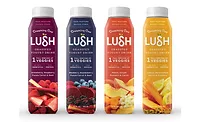
    • Dreaming Cow LUSH drinkable yogurts

      Dreaming Cow’s new Lush drinkable yogurts contain full serving of veggies

      See More

    Related Products

    See More Products
    • two world.jpg

      The Potential Effect Of Two New Biotechnologies On The World Dairy Industry

    • The 10 Principles of Food Industry Sustainability

    • GlobalData_Consumer.jpg

      Milk (Dairy & Soy Food) Market in the United States of America - Outlook to 2024: Market Size, Growth and Forecast Analytics

    See More Products

    Events

    View AllSubmit An Event
    • July 17, 2025

      The Future of Dairy Processing: Exploring the Cost-Effectiveness of Next-Generation Reverse Osmosis Sanitary Membranes

      On-Demand Advances in milk processing and changing customer preferences are driving growth in the dairy market. Today, dairy processors face challenges in achieving energy savings while also improving yields without compromising performance. Membrane filtration offers a versatile solution, and advanced technology may be necessary depending on the desired outcome.
    • September 29, 2011

      Food Plant of the Future: Anticipating the Next Generation

      On Demand: Exclusively for thought-leaders in food and beverage processing facility management, Food Plant of the Future webinars are presented by Hixson, a leading design and engineering firm of food processing facilities in North America.  
    View AllSubmit An Event

    Related Directories

    • White Wave Foods Co. (City Of Industry, CA)

    • White Wave Foods Co. (City Of Industry, CA)

    • Serac Inc.

      Serac designs and manufactures liquid filling and capping machines and blow molding equipment. We offer a wide variety of machines allowing us to be present in many different industries. The Serac Inc customer centric approach is based on proximity with a vision of sustainability, we design and build in the USA.
    ×

    Stay ahead of the curve. Unlock a dose of cutting-edge insights.

    Receive our premium content directly to your inbox.

    SIGN-UP TODAY
    • RESOURCES
      • Advertise
      • Contact Us
      • Directories
      • Store
      • Want More
    • SIGN UP TODAY
      • Create Account
      • eMagazine
      • Newsletter
      • Customer Service
      • Manage Preferences
    • SERVICES
      • Marketing Services
      • Reprints
      • Market Research
      • List Rental
      • Survey/Respondent Access
    • STAY CONNECTED
      • LinkedIn
      • Facebook
      • YouTube
      • X (Twitter)
    • PRIVACY
      • PRIVACY POLICY
      • TERMS & CONDITIONS
      • DO NOT SELL MY INFORMATION
      • PRIVACY REQUEST
      • ACCESSIBILITY

    Copyright ©2026. All Rights Reserved BNP Media, Inc. and BNP Media II, LLC.

    Design, CMS, Hosting & Web Development :: ePublishing