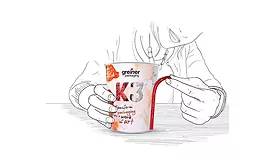
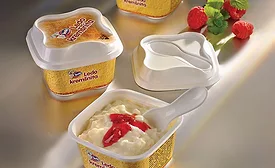
Sustainable dairy packaging is nothing new. Lightweighting, or source reduction, remains an ongoing process. Container wall thickness is reduced and flexible structures are down-gauged. Source reduction not only conserves resources, but also cuts costs and carbon footprint.
Two other factors garnering attention from brand marketers are convenience and sustainability. Here’s a look at innovative packaging, including aseptic containers and in-mold labels.
Maximizing product protection, freshness, convenience and shelf appeal govern packaging decisions about dairy foods. These goals are driving interest in aseptic filling, in-mold labeling, single-serving sizes and functional features.
How are consumers able to reduce packaging and food waste and further environmental sustainability, and how can CPG companies—especially those in the dairy case—provide solutions for them? A pair of recent reports provides clues.
With a projected compound annual growth rate of 2.9% through 2022, demand for food packaging reflects growth in the U.S. food industry overall, according to Food Packaging Trends & Advances, a report published in September 2015 by PMMI, The Association for Packaging and Processing Technologies, Reston, Va. Globally, growth is even stronger.
Sustainability and product freshness are key factors in selecting the right packaging materials to not only protect dairy products but also control costs and improve consumer experience. Dairy processors need to keep in mind the role packaging plays in these key consumer demands.
Blow-molding from forms or resins is considered to be an eco-friendly production method.
December 7, 2015
New equipment is sized and priced for smaller dairies. Plus, dairy processors can lessen their carbon footprint by molding bottles from plastic resin or preforms.
Processing and packaging technology suppliers are accommodating the accompanying material and equipment requirements with innovations such as those seen in September at Pack Expo Las Vegas
Our nation's schools send 5 billion milk and juice cartons to landfills each year. Clearly, there is work to be done. Your company can specify cartons made of paperboard, and you can get involved in your child’s school recycling efforts.