The competition between dairy milks and plant-based milk heats up
Flavored varieties, lactose-free and single-serve give consumers more options for true dairy.
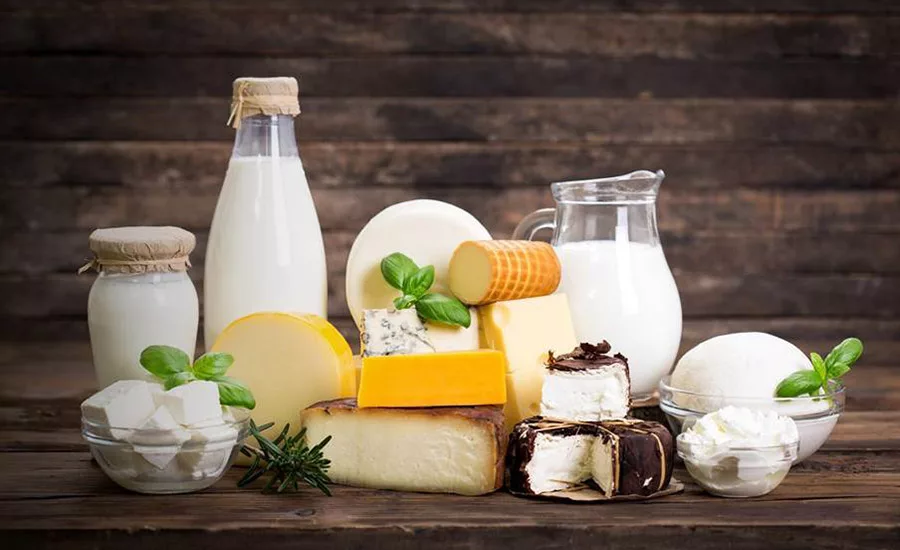
Between 2022 and 2023, the consumption of dairy milk decreased by 4%, while the consumption of non-dairy milk rose by 5%, Mintel reports.
Photo courtesy of A&B Ingredients.
When it comes to calcium, protein, vitamins, and minerals, no single beverage can beat the all-natural goodness of a cold glass of fresh milk. Yet, there’s a conundrum in the marketplace. According to Mintel, milk production in the United States has nearly doubled in the past five decades, reaching an all-time high of 226.6 billion pounds — 26.4 billion gallons — in 2023. However, milk consumption is dropping, with consumers drinking 47% less milk today than in 1975.
“According to Mintel, between 2022 and 2023, the consumption of dairy milk decreased by 4 percent, while the consumption of non-dairy milk rose by 5%,” states Joe O’Neill, vice president of sales and business development at A&B Ingredients, Fairfield, N.J. “However, non-dairy milk's popularity doesn’t necessarily mean the fall of traditional milk. As the health and wellness trend grows, milk has equal appeal to various age groups due to its nutritional benefits.”
With the growing popularity of vegan and flexitarian diets, “real” dairy milk also is facing stiff competition from plant-based milks like almond, oat and soy.
According to a report from DataHorizon Research, the oat milk market was valued at $3.7 billion in 2023 and is projected to reach $9.8 billion by 2032 at a compound annual growth rate (CAGR) of 11.5%.
More flavors beyond traditional chocolate and strawberry, more single-serve varieties in grab-and-go coolers and lactose-free products are positioned to help consumers pivot back to milk.
Flavor trends in milk are pointing to more decadent and adventurous flavor profiles. “Emerging milk flavors this year include peach and piña colada (pineapple and coconut), increasing 547%, along with vanilla, peanut butter, and cinnamon which have all increased 224% in global launches,” notes Andrea Lee, junior marketing specialist at Downers Grove, Ill.-based Flavorchem.
An Ho, director of food science and product innovation for IFPC, doesn’t think milk in its natural state is trending, but notes that while volume isn’t huge, there’s been growth in fun flavored milks and protein drinks like fairlife.
“Ingredients derived from milk are doing well,” she states. “The dairy protein market is doing very well and consumers are realizing how well the body absorbs dairy proteins. Also, the butterfat from dairy must be doing well because the prices keep going up and consumers keep buying it. Cheese sales are also doing well.”
To cater to its customers, St. Louis-based IFPC uses non-GMO and/or grass-fed dairy ingredients, Ho says. “We also have been adjusting our stabilizers because our customers are either becoming more efficient with their process or our customer base varies between highly processed (very shelf stable) to minimally processed (low heat, physical variations that are accepted),” she states. IFPC can cater to whichever processing parameters the customer chooses, she adds.
When it comes to packaging sizes, Seattle, Wash.-based Darigold, via a new distribution partnership with non-alcohol beverage distributor, Big Geyser, the company’s line of single-serve milks are now on shelves in a variety of bodegas, convenience stores, delis, grocery stores and other retailers throughout New York City, the company says. And to further extend its brand, Darigold is selling its ultra-pasteurized products with an extended shelf life on Amazon.com.
Resealable caps, compact sizes, and ergonomic designs with milk bottles in the 200-ml to 500-ml size are expected to generate “significant growth,” with the largest global milk market bottle share of 35.1% in 2022, according to Wilmington, Del.-based Allied Market Research.
According to its report titled “Milk Bottle Market Size, Share, Competitive Landscape and Trend Analysis Report by Capacity, By Application, By Material, By Closure Type, 2023-2032,” the global milk bottle market generated $3.5 million in 2022, rising at a CAGR of 5.1% to an anticipated $5.7 million from 2023 to 2032.
Lactose-free and functional milk with probiotics spur growth
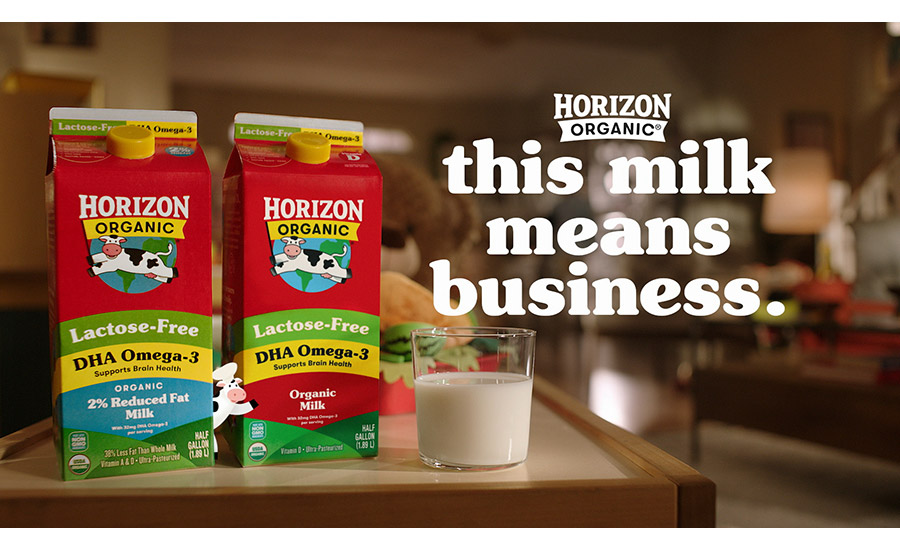
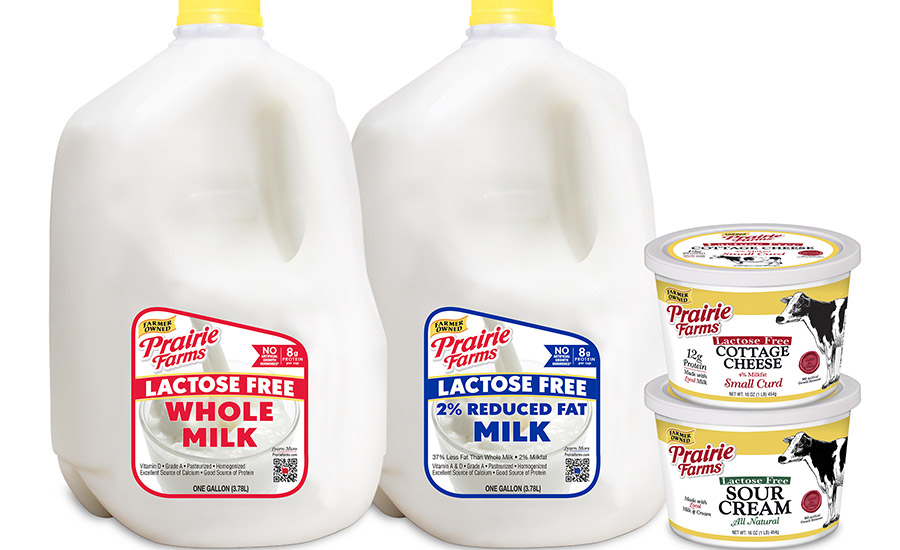
The National Institute of Health estimates that 68% of the world population are lactose intolerant, reflecting rising consumer preference for plant-based alternatives. Yet, several dairy companies including Prairie Farms Dairy, Clover Sonoma, fairlife, Lactaid and Horizon Organic offer lactose-free milks in whole and reduced fat varieties.
In addition to an increased demand for lactose-free milks, Allied Market Research’s report on “Global Functional Milk Outlook & Forecasts Report 2023-2024 and 2029,” highlights an increased awareness of probiotics and digestive health also is fueling growth.
At a CAGR of 7.5%, the global functional milk market, valued at $27 billion in 2023, is projected to grow to $41.7 billion by 2029.
Characterized by a high level of fragmentation, several major international and regional players are competing for industry share alongside smaller local companies that contribute to the overall diversity of the dairy industry.
“Despite this fragmentation, a few key players, including Nestlé, Danone, Abbott and Lactalis International wield significant influence, holding substantial functional milk market shares,” the report states. “…Asia Pacific dominated the global functional milk market share, accounting for over 31% in 2023.”
According to Allied Market Research’s report, among the factors increasing demand are awareness, consumer willingness to pay more, an increasing aging population in China and Japan, the rising prevalence of chronic disease, growing obesity in children and adults are all leading consumers to seek functional milk products with potential health benefits with ingredients that aid digestive health, build immunity, bolster brain health and more.
The introduction of clean-label products in functional milk also has increased demand, with clear and straightforward labeling resonating with consumers looking for wholesome, minimally processed options.
“For instance, Dairy Farmers of America focuses on developing clean-label solutions such as no artificial color, no artificial flavor and more, which increases the consumer base and demand for the products in the market,” Allied Research’s report states.
Product innovation also is pivotal in shaping the functional milk market dynamics, significantly impacting consumer preferences and industry competition. “Innovations such as fortification with vitamins, minerals, probiotics, or other health-enhancing components can address evolving consumer demands for wellness and nutritional benefits. These advancements cater to health-conscious consumers and provide opportunities for market differentiation among competitors,” the report states.
On the non-dairy side, IFPC’s Ho notes that the company has been developing a lot of plant-based alternatives to dairy in the beverage space with taste top of mind.
Noting that she has tasted the difference in plant-based meat and cheese which don’t measure up on the all-important taste registry, Ho notes that for fluid dairy drinks “…the combination of plant-based protein is close in a PDCAAS score (protein quality) to dairy and the taste is very clean.”
When it comes to plant-based milks using an oat or almond base, River Falls, Wis.-based Fiberstar Inc. offers eco-friendly ingredients sustainably produced from byproducts of the citrus juicing process that work perfectly in plant-based milks, according to Fiberstar’s Vice President of Marketing Jennifer Stephens.
“The process is free from chemical modifications, which sets itself apart from other market offerings. The Citri-Fi 600 line is neutral flavored with higher added viscosity versus the flagship 100 series,” Stephens explains. “…When used at less than 1%, the 600 series creates a full-body mouthfeel while maintaining stability over shelf-life. Because of this, plant-based beverage producers can create products free from food gums and other stabilizers. Food labeling is simplified and more recognizable. Labeling options include citrus fiber, dried citrus pulp or citrus flour which all resonate well in the natural and clean label markets.”
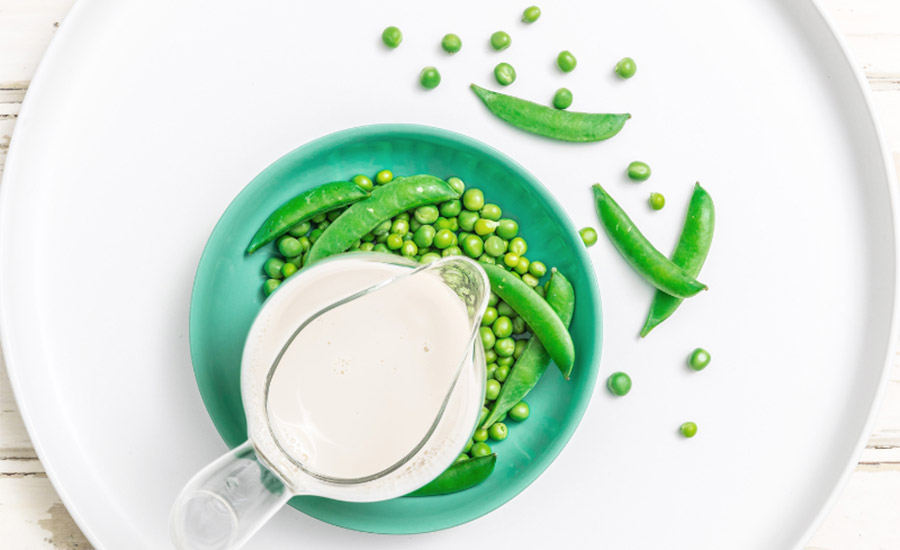
In addition to offering pea proteins with a neutral flavor profile and creamy mouthfeel, A&B Ingredients notes that its Pisane pea proteins have a high protein content of 86%, “making it an ideal ingredient for plant-based dairy and protein fortification in hybrid formulations,” O’Neill says. The non-GMO, allergen-free pea protein isolates have excellent emulsification properties in dairy beverages, powder blends, and non-dairy products.
The company also offers multi-functional prebiotic fibers from chicory root for fiber enrichment. “Inulin (chicory fiber) can be used to add functionality like sugar replacement, fat replacement, caloric reduction, and improved mouthfeel in various dairy products,” O’Neill states. “We continue to see growth in the prebiotic category and are eager to help manufacturers innovate with prebiotic fibers to create added-value dairy products.”
Impact of declining milk production in EU
While dairy manufacturers are releasing new flavored milks and functional dairy and non-dairy milks with added benefits, the dairy industry doesn’t know the full repercussions of declining milk production in northwestern Europe. The continent is struggling with a structural decline in milk production, with a report from Rabobank advising it’s “time to shift strategies.”
“This trend is impacting operational efficiency and financial stability, leading to potential revenue losses and heightened competition for milk,” the report states. “Dairy cooperatives are under particular strain as they also contend with the withdrawal of capital by members.”
While the EU dairy industry in northwestern Europe (Denmark, Germany, the Netherlands, and Belgium) had experienced considerable growth over the past decade — driven by the removal of milk quotas and positive economic factors — the region is showing signs of a structural downturn in milk production due to an extended period of weakened margins, environmental regulations, labor shortages and increased climate volatility.
According to Rabobank, there’s two potential scenarios for the industry. The base case would mean a 13% decrease in milk production, erasing nearly all the production growth since 2010. A more drastic downside scenario projects a 20% reduction. This downside scenario poses a risk of significant revenue losses and capital constraints, with cooperatives likely to be the hardest hit.
“In light of these challenges and given any of the projected scenarios, dairy companies will be forced to shift their focus to high-value products such as specialty proteins, branded consumer goods, and cheese,” states Rabobank’s Dairy Analyst Richard Scheper. “This move would counterbalance rising costs and preserve market competitiveness as milk processing capacities exceed supply.”
In the U.S., milk ingredients will continue to thrive, particularly as consumers prioritize health and wellness and seek dairy products, beverages, powders and plant-based products that align with their dietary preferences and goals.
A&B Ingredients’ O’Neill notes the increase in immune health claims in food and beverage launches, with a CAGR of 4% between July 2018 and June 2019, compared to more on-pack marketing from July 2022 to June 2023.
“The pandemic has further fueled this trend, with more than 40% focusing on nutritious diets to improve health,” O’Neill says. “Ingredients perceived as fresh, natural, and nutritionally rich are paramount in dietary choices. Traditional dairy's nutritional value aligns with current trends, emphasizing label-friendliness, protein content, and healthy snacking.
“Plant-based alternatives can enhance their appeal by boosting nutritional content, focusing on label-friendly ingredients, monitoring sugar levels, and meeting taste expectations,” he continues. “To maintain the ‘good for you’ perception, prioritizing minimal, familiar ingredients is crucial.”
IFPC’s Ho suggests that consumers are “embracing how valuable dairy is and how there is not really a perfect substitute for dairy. There are close seconds and thirds. But real dairy might be better than plant based alternatives that have to rely on a multitude of ingredients to additives to resemble dairy products,” she concludes. “If it is a belief about how dairy is made and processed, there will be concessions. Based on the market, dairy products are still in high demand.”
Looking for a reprint of this article?
From high-res PDFs to custom plaques, order your copy today!