Dairy Foods logo
search
cart
facebook twitter linkedin youtube
  • Sign In
  • Create Account
  • Sign Out
  • My Account
Dairy Foods logo
  • NEWS
    • DAIRY REGULATIONS
  • PRODUCTS
    • New Products
    • Butter
    • Cheese
    • Cultured Dairy
    • Frozen Desserts
    • Ice Cream/Novelties
    • Milk
    • Non-Dairy Beverages
    • Sales Data
    • Whey, Milk Powder
    • Dairy Alternatives
  • INGREDIENTS
    • Cocoa
    • Colors/Flavors
    • Cultures/Enzymes
    • Fiber
    • Gums, Stabilizers, and Texturants
    • Inclusions
    • Omegas/Lipids
    • Prebiotics
    • Probiotics
    • Sweeteners
    • Other
  • OPERATIONS
    • SUSTAINABILITY
    • Equipment
    • Processing
    • Packaging
    • Food Safety & Sanitation
    • Membrane Technology
  • MEDIA
    • Dairy Foods TV
    • Podcasts
    • Webinars
  • DIRECTORIES
    • Buyers Guide
    • Dairy Plants USA
  • MEMBRANE FORUM
  • MORE
    • Associations
    • Dairy Foods' News & Views Newsletter
    • Blogs
    • Case Studies
    • Classifieds
    • Custom Content & Marketing Services
    • Dairy Foods Store
    • Market Research
    • Supplier Spotlights
    • Tradeshows and Events
    • Strategy Guides
  • AWARDS
    • Dairy Plant of the Year Award
    • Breakthrough Award
    • Dairy Processor of the Year
  • EMAGAZINE
    • eMagazines
    • Archive Issues
    • Contact
    • Advertise
    • SIGN UP!
    • Columnists
    • Dairy 100
    • State of the Industry Report
    Ingredients for Dairy Processors

    Lab Talk

    By D. Berry
    September 15, 2003
    Organic Opportunity

    There is no longer doubt among dairy manufacturers that organic dairy products are here to stay. The numbers speak for themselves. Farmers are being paid $9.00-$11.00 more per hundred pounds of organic milk, as compared to conventional milk. Mainstream grocers are dedicating sections of their produce, meat and dairy departments to premium-priced, high-margin organic foods. And as of Oct. 21, 2002, all organic foods are certified using a single, unified national standard. This standard, along with mainstream availability, is building consumer awareness and confidence in the organic movement, and in fact, opening up a whole new arena of people who can participate.

    A movement, indeed, is what organic stands for; however, consumers often associate organic with healthy, which is a threat that some conventional dairy foods manufacturers are concerned with at this time.

    At this year’s Dairy Forum, January 19-22, during a panel discussion on organic dairy, conventional processors raised the concern that some consumers will begin to question the safety, quality and efficacy of non-organic products.

    Is the concern real? It should not be, as organic refers to a process guarantee or an agricultural production methodology.

    “The word organic stands for a commitment to agricultural practices that strive for a balance with nature, using methods and materials which are of low impact to the environment,” says Chuck Marcy, president and CEO, Horizon Organic Holding Co., Longmont, Colo. “Interestingly, 63% of consumers in a recent survey believe that organic foods are healthier than their conventional counterparts.”

    Is the concern real? Time will tell.

    According to Datamonitor, dairy foods are leading the organic food movement with an anticipated compound annual growth rate of 24% from now through 2005. Organic milk, by far, is the leading product within the dairy category, and currently represents 1.7% of all fluid milk sales in conventional grocery stores, and almost 2% of all retail fluid milk sales.

    For those of you contemplating the idea of going organic, here are things to know.

    First of all, your manufacturing and handling facility, along with product formulation, must be certified organic by an independent state, private or non-profit organization. Currently there are 74 certifying agents in the United States that have gained USDA accreditation. These independent third-party agents certify, audit and monitor their customers, ensuring that all components of the supply chain—from farmer to grocer—are upholding the standards set forth as part of the National Organic Program (NOP), which is enforced by USDA.

    “Though the number of steps to organic certification varies by certification agency, QAI’s process is made up of five steps,” says Ellen Holton, dir. of marketing and business development, Quality Assurance International Inc., San Diego, a certifying agency. “These steps are application, inspection, review, resolution and certification. The length of time to accomplish these steps varies by agency. On average, with dairy processing operations, we take about eight to 10 weeks.

    “Two basic tenants for a dairy processor are segregation of organic and non-organic products, and prevention of contamination of organic products, meaning, organic products must have no contact with prohibited substances,” Holton says. “Volatile, synthetic solvents and other synthetic processing aids are prohibited.

    “The benefits of the NOP are that organic claims are now standardized and the playing field is leveled for all participants,” she adds.

    There are four organic labeling options available. They are:

    • 100% Organic: Products containing only 100% organically produced ingredients (excluding salt and water).

    • Organic: Products containing at least 95% organically produced ingredients by weight (excluding salt and water).

    • Made with Organic Ingredients: Products containing at least 70% organically products ingredients by weight (excluding salt and water).

    • No Organic Label Declaration: Products made with less than 70% organically produced ingredients by weight. These products can use the term organic only to describe specific ingredients used in the formulation, and only in the ingredient statement.
    “The organic seal gives consumers increased assurance of organic quality and integrity,” says Marcy. “Horizon offers consumers a choice.”

    To obtain a free list of generic organic ingredients available to food manufacturers, contact the Organic Materials Review Institute (www.omri.org). Keep in mind that when formulating organic foods, nonorganically produced ingredients may be used when processing an organic product if there is no organic equivalent. Additional organic resources include the Organic Trade Association (www.ota.com) and the final NOP rule (www.ams.usda.gov/nop/).

    Share This Story

    Looking for a reprint of this article?
    From high-res PDFs to custom plaques, order your copy today!

    D. Berry is a former freelance contributor to Dairy Foods.

    Recommended Content

    JOIN TODAY
    to unlock your recommendations.

    Already have an account? Sign In

    • Lifeway Organic Kefir in different flavors inside a refrigerated grocery shelf.

      Dairy Foods names Lifeway Foods 2025 Processor of the Year

      Lifeway Foods donates $10,000 to wildfire victims,...
      Innovation
      By: Brian Berk
    • Two female farmers are standing in a field, holding a large milk canister, looking at several cows at dairy farm.

      Honoring Women Leaders Shaping the Dairy Industry

      For the fourth consecutive year, Dairy Foods is proud to...
      Innovation
      By: Barbara Harfmann
    • Main feature for State of the Industry with dairy products album cover with a gradient circular--patterned backgorund.

      2025 State of the Dairy Industry

      Welcome to the 2025 State of the Industry report. For...
      Sales Data
    Manage My Account
    • eMagazine Subscription
    • Dairy Foods News & Views Newsletter
    • Online Registration
    • Manage My Preferences
    • Subscription Customer Service
    • Connect with Dairy Foods

    More Videos

    Popular Stories

    Close up of a whipped frozen dessert with a light green color.

    The keys to high-protein dairy formulations

    A young Asian mother holding her son and a sippy cup, an older woman is in the blurred background.

    Finding the right infant formula is crucial to a baby’s growth and development

    A row of Frios Gourmet Pops with a tie dye pattern as a background.

    How Frios Gourmet Pops delivers happiness

    Outlook Report: Women in Dairy

    Products

    Probiotic Ice Cream: Science and Technology

    Probiotic Ice Cream: Science and Technology

    See More Products
    Let's Talk Dairy podcast promo

    Related Articles

    • Lab Talk: Ingredient Trends from Abroad

      See More
    • Lab Talk: A Juicy Opportunity

      See More
    • Lab Talk

      See More

    Related Products

    See More Products
    • Handbook of Antioxidants for Food Preservation, 1st Edition

    • analytical.jpg

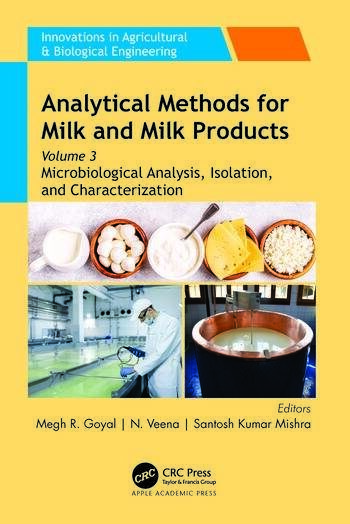
      Analytical Methods for Milk and Milk Products

    See More Products
    ×

    Stay ahead of the curve. Unlock a dose of cutting-edge insights.

    Receive our premium content directly to your inbox.

    SIGN-UP TODAY
    • RESOURCES
      • Advertise
      • Contact Us
      • Directories
      • Store
      • Want More
    • SIGN UP TODAY
      • Create Account
      • eMagazine
      • Newsletter
      • Customer Service
      • Manage Preferences
    • SERVICES
      • Marketing Services
      • Reprints
      • Market Research
      • List Rental
      • Survey/Respondent Access
    • STAY CONNECTED
      • LinkedIn
      • Facebook
      • YouTube
      • X (Twitter)
    • PRIVACY
      • PRIVACY POLICY
      • TERMS & CONDITIONS
      • DO NOT SELL MY INFORMATION
      • PRIVACY REQUEST
      • ACCESSIBILITY

    Copyright ©2026. All Rights Reserved BNP Media, Inc. and BNP Media II, LLC.

    Design, CMS, Hosting & Web Development :: ePublishing