Dairy Foods logo
search
cart
facebook twitter linkedin youtube
  • Sign In
  • Create Account
  • Sign Out
  • My Account
Dairy Foods logo
  • NEWS
    • DAIRY REGULATIONS
  • PRODUCTS
    • New Products
    • Butter
    • Cheese
    • Cultured Dairy
    • Frozen Desserts
    • Ice Cream/Novelties
    • Milk
    • Non-Dairy Beverages
    • Sales Data
    • Whey, Milk Powder
    • Dairy Alternatives
  • INGREDIENTS
    • Cocoa
    • Colors/Flavors
    • Cultures/Enzymes
    • Fiber
    • Gums, Stabilizers, and Texturants
    • Inclusions
    • Omegas/Lipids
    • Prebiotics
    • Probiotics
    • Sweeteners
    • Other
  • OPERATIONS
    • SUSTAINABILITY
    • Equipment
    • Processing
    • Packaging
    • Food Safety & Sanitation
    • Membrane Technology
  • MEDIA
    • Dairy Foods TV
    • Podcasts
    • Webinars
  • DIRECTORIES
    • Buyers Guide
    • Dairy Plants USA
  • MEMBRANE FORUM
  • MORE
    • Associations
    • Dairy Foods' News & Views Newsletter
    • Blogs
    • Case Studies
    • Classifieds
    • Custom Content & Marketing Services
    • Dairy Foods Store
    • Market Research
    • Supplier Spotlights
    • Tradeshows and Events
    • Strategy Guides
  • AWARDS
    • Dairy Plant of the Year Award
    • Breakthrough Award
    • Dairy Processor of the Year
  • EMAGAZINE
    • eMagazines
    • Archive Issues
    • Contact
    • Advertise
    • SIGN UP!
    • Columnists
    • Dairy 100
    • State of the Industry Report

    Tools for Innovation: Dairy Proteins in Weight Management

    August 9, 2004
    Cows milk represents a unique source of nutrients and bioactive components that act in synergy, as well as independently. Researchers have been studying what makes cows milk stand out among other food systems.

    Emerging research linking dairy proteins with weight loss could inspire the renaming of products to emphasize higher protein instead of lower carbohydrates.
    Cows milk represents a unique source of nutrients and bioactive components that act in synergy, as well as independently. Researchers have been studying what makes cows milk stand out among other food systems. What have they discovered? Emerging evidence indicates that the protein component of milk represents a variety of bioactive peptides that function as anti-hypertensive agents, antimicrobial factors, food intake modifiers and immune regulatory factors. These bioactive peptides are the basis of nutritional benefits not previously recognized when essential amino acid composition was the sole criterion of protein quality.

    Professor of Nutrition Donald Layman from the University of Illinois, Champaign-Urbana, has been actively evaluating the role of protein components, including dairy proteins, in helping people lose weight while maintaining muscle. His work is leading him to develop a new mix of ideal protein and carbohydrate levels to combat obesity and metabolic syndrome, a precursor to type-two diabetes.

    "There is general consensus that the most critical factor in weight management is total energy intake," says Layman. "However, diets with higher protein and lower carbohydrates appear to enhance weight loss due to a higher loss of body fat and reduced loss of lean body mass. While studies of prolonged use of moderate protein diets are not available, short-term studies report beneficial effects associated with increased satiety, increased thermogenesis, sparing of muscle protein loss and enhanced glycemic control."

    A metabolic explanation for optimal levels of carbohydrates and proteins is still unknown; however, researchers are attempting to better understand the dynamics.

    "Our research has focused on the role of amino acids in regulation of muscle protein metabolism and glycemic control," Layman says. "For so long we assumed the only role of protein in the diet was to provide the 20 naturally occurring amino acids, specifically the 9 essential ones, as each of these amino acids has a unique requirement as a building block for body proteins." Through the years researchers have learned that the body is very effective at recycling amino acids into new proteins after existing proteins break down. Thus, there must be another reason why the body needs to replenish certain amino acids.

    "Like all amino acids, the branched-chain amino acid (BCAA) leucine is essential for protein synthesis," says Layman. "However, leucine participates in numerous other metabolic processes including serving as a fuel for skeletal muscle, managing intracellular insulin, regulating muscle protein synthesis and serving as a donor of an amino group for production of alanine or glutamine. In each of these pathways, the impact of leucine is proportional to availability and is dependent on its intracellular concentration."

    Leucine is relatively abundant in the food supply, with dairy products particularly rich. Hence, the dairy protein and weight management connection begins.

    "These metabolic roles for leucine form the basis for our hypothesis for the importance of increased dietary protein during weight loss," Layman says. "Combined impacts of a moderate protein diet are likely derived from lower carbohydrates resulting in lower postprandial increase in blood glucose and lower insulin response, and higher protein providing increased leucine levels. "A key element in the diet appears to be the higher intake of BCAA leucine with unique regulatory actions on muscle protein synthesis, modulation of the insulin signal and sparing of glucose use by stimulation of the glucose-alanine cycle," he says. "A lot more research is needed in this area, but this is good news for the dairy industry. "The challenge to nutrition researchers will be to identify and characterize the metabolic role of dairy bioactive peptides and amino acids and to develop the clinical datasets that demonstrate efficacy for improving human health," Layman says. The challenge to the food industry will be to advance food products beyond taste, convenience, safety and providing essential nutrients. "The food industry must build knowledge in partnership with scientists, health professionals and regulatory agencies to develop foods that deliver documented health benefits," concludes Layman.

    Sidebar: Flavor Quality of Dairy Proteins

    To remain competitive, dairy protein suppliers ensure consistent quality of their ingredients, with flavor quality an important parameter. After all, when everything else is equal, flavor is the deciding factor between one food product or ingredient and another. Ensuring flavor quality is on the road to getting easier, thanks to researchers at North Carolina State University's Southeast Dairy Foods Research Center. This research was sponsored by Dairy Management Inc. and the California Dairy Research Foundation, with funding from America's dairy farmers.

    "Unlocking the key to dairy protein flavors is critical to helping manufacturers more effectively process, evaluate and market their innovations," says lead researcher MaryAnne Drake. Drake explains that developing a descriptive, quantifiable sensory language comprised of desirable and undesirable flavors with precise references for dairy ingredients is a good place to start to ensure quality. "This sensory language is an important tool for manufacturers to be able to deliver a consistent, desirable flavor to customers. Flavor matters."

    Drake and her team are responsible for developing the first defined sensory language lexicon for Cheddar cheese that is linked to chemical anchors. Introduced in 2000, the Cheddar cheese lexicon led the way for a similar lexicon describing all of the flavors that may be present in milk powders. The researchers discovered 21 flavor terms that can be applied to milk powders, including cooked/milky, sweet aromatic/vanillin, cardboard, earthy, and cereal flavors, with each linked to a key aroma compound. For instance, lactones lend a sweet aromatic flavor, while free fatty acids can stimulate a waxy flavor. This list can be used with any powder to analyze and characterize the various flavors in its sensory profile.

    Many factors contribute to dairy ingredient flavor, including the source, processing and packaging methods and materials, storage time and conditions, etc. By linking responsible chemical factors and causal agents, the lexicon provides a universal language to be used by manufacturers, flavor developers and food processors in order to improve the quality of their ingredients and food products.

    While diet trends come and go, food and ingredient manufacturers know that flavor never goes out of style. Defining flavor and understanding the chemistry behind flavor are the keys to effective and competitive food marketing. With that in mind, Drake will continue repeating the "flavor matters" mantra as she moves forward on current projects, including work to establish the influence of particular compounds on the specific perceived flavors in skim milk powder, as well as developing sensory languages for whey protein concentrates, fluid milk (extended shelflife milk), chocolate milk and butter.

    For more information

    Dairy Management Inc.™ (DMI) helps stimulate innovation and encourages companies to create new products, processes and packaging. This supplement, a joint product of DMI and Dairy Foods, is designed to encourage fresh thinking about dairy foods. For help in bringing your ideas to fruition, partner with DMI by calling the Technical Support Hotline at 800/248-8829. Or visit www.extraordinarydairy.com.

    Listed here are Web sites for additional information on dairy proteins.

    www.wheyimproved.com

    www.wheyoflife.org

    www.wheyprotein.com

    www.doitwithdairy.com

    Share This Story

    Looking for a reprint of this article?
    From high-res PDFs to custom plaques, order your copy today!

    Recommended Content

    JOIN TODAY
    to unlock your recommendations.

    Already have an account? Sign In

    • Lifeway Organic Kefir in different flavors inside a refrigerated grocery shelf.

      Dairy Foods names Lifeway Foods 2025 Processor of the Year

      Lifeway Foods donates $10,000 to wildfire victims,...
      Cultured Dairy
      By: Brian Berk
    • Two female farmers are standing in a field, holding a large milk canister, looking at several cows at dairy farm.

      Honoring Women Leaders Shaping the Dairy Industry

      For the fourth consecutive year, Dairy Foods is proud to...
      Innovation
      By: Barbara Harfmann
    • Main feature for State of the Industry with dairy products album cover with a gradient circular--patterned backgorund.

      2025 State of the Dairy Industry

      Welcome to the 2025 State of the Industry report. For...
      Cheese
    Manage My Account
    • eMagazine Subscription
    • Dairy Foods News & Views Newsletter
    • Online Registration
    • Manage My Preferences
    • Subscription Customer Service
    • Connect with Dairy Foods

    More Videos

    Popular Stories

    An overhead and close-up view of a bowl of cottage cheese topped with fresh blueberries.

    Cottage cheese sales top $2 Billion

    A young Asian mother holding her son and a sippy cup, an older woman is in the blurred background.

    Finding the right infant formula is crucial to a baby’s growth and development

    A row of Frios Gourmet Pops with a tie dye pattern as a background.

    How Frios Gourmet Pops delivers happiness

    Outlook Report: Women in Dairy

    Products

    Probiotic Ice Cream: Science and Technology

    Probiotic Ice Cream: Science and Technology

    See More Products
    Let's Talk Dairy podcast promo

    Related Articles

    • Tools for Innovation: Dairy Foods and Beverages Made with Dairy Proteins

      See More
    • Tools for Innovation: Q&A DMI Looks into Its Crystal Ball at Dairy Proteins

      See More
    • Understanding the Role of Dairy Foods in Weight Management

      See More

    Related Products

    See More Products
    • advances.jpg

      Advances in Dairy Products

    • novel.jpg

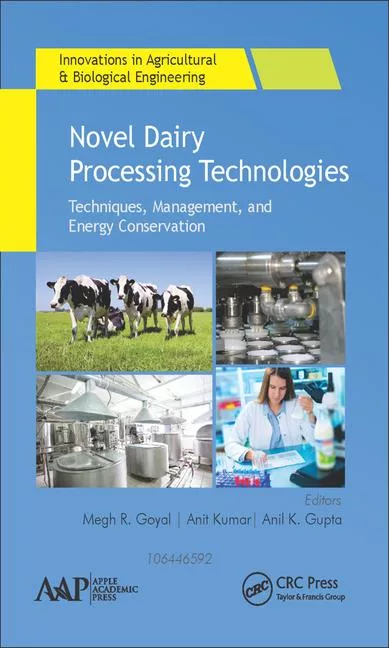
      Novel Dairy Processing Technologies: Techniques, Management, and Energy Conservation

    • df emerging.jpg

      Emerging Dairy Processing Technologies: Opportunities for the Dairy Industry

    See More Products

    Related Directories

    • Idaho Milk Products

      Idaho Milk Products leads the international marketplace with the freshest, highest-quality, sustainable and award-winning dairy ingredients. Our milk proteins and permeate excel in clean-label sports, adult and infant nutrition, weight management, dairy, confectionery, and general food applications. At our Milk Innovation Center, expert scientists assist customers in creating premium formulations from concepts to packaging samples.
    ×

    Stay ahead of the curve. Unlock a dose of cutting-edge insights.

    Receive our premium content directly to your inbox.

    SIGN-UP TODAY
    • RESOURCES
      • Advertise
      • Contact Us
      • Directories
      • Store
      • Want More
    • SIGN UP TODAY
      • Create Account
      • eMagazine
      • Newsletter
      • Customer Service
      • Manage Preferences
    • SERVICES
      • Marketing Services
      • Reprints
      • Market Research
      • List Rental
      • Survey/Respondent Access
    • STAY CONNECTED
      • LinkedIn
      • Facebook
      • YouTube
      • X (Twitter)
    • PRIVACY
      • PRIVACY POLICY
      • TERMS & CONDITIONS
      • DO NOT SELL MY INFORMATION
      • PRIVACY REQUEST
      • ACCESSIBILITY

    Copyright ©2026. All Rights Reserved BNP Media, Inc. and BNP Media II, LLC.

    Design, CMS, Hosting & Web Development :: ePublishing