Consumers recognize the benefits of high-protein foods and beverages. Dairy processors can stick with dairy-based proteins or consider plant-based alternatives.
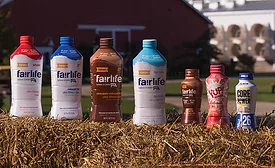
High-protein foods figure prominently on IRI’s list of the most successful food and beverage launches of 2015. Alongside Oscar Mayer deli meat and Cheerios Protein, were Dannon Oikos Triple Zero yogurt, Yoplait Greek 100 Whips and fairlife milk.
With a projected compound annual growth rate of 2.9% through 2022, demand for food packaging reflects growth in the U.S. food industry overall, according to Food Packaging Trends & Advances, a report published in September 2015 by PMMI, The Association for Packaging and Processing Technologies, Reston, Va. Globally, growth is even stronger.
A Colorado dairy farmer had a nice milk bottling operation. Then he founded a yogurt company with an Australian ex-pat. Today, yogurt far eclipses the milk business.
Rob Graves is a dairy farmer and dairy processor who owns Morning Fresh Dairy in Bellvue, Colo. He sells his white and flavored milks up and down the front range of Colorado’s Rocky Mountains. Business was good for the fourth-generation farmer. Demand was growing from home delivery customers, restaurants and Whole Foods. Graves had plans to expand the milk processing plant. That is, until yogurt got in the way.
If you manufacture branded dairy foods, then you should consider taking on private label products if you have the capacity. By manufacturing foods and beverages for other companies, dairy plants can keep their production lines moving.
Enzymes help to optimize the manufacturing process and minimize cheese waste. Cultures allow dairy producers to improve yields and get more out of their milk.
With the world’s population expected to exceed 9 billion by 2050, farmers and dairy processors have been on the hunt for solutions to feed so many people. One realization is that the same cultures and enzymes used to transform milk into cheese and yogurt can be warriors against waste.
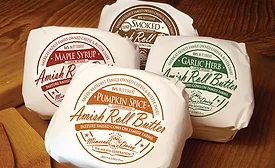
Minerva Dairy, Minerva, Ohio, launched a line of flavored butters. The butters feature its Amish Roll Butter in varieties like maplewood smoked, garlic herb, pumpkin spice and maple syrup.
As more dairy processors are answering the call for cleaner labels, retailers are adding more shelf space for such foods and beverages. Also, consumers are increasing their purchases of organic products.
The clean label trend (which is dominating the conversation in the food industry) isn’t so much a trend anymore, but a “movement.” This is a common thing I’m hearing when talking to dairy processors and suppliers lately. With consumers making it very clear what it is they want, more food manufacturers are recognizing this movement and are answering the call with new product innovation, more transparency about what they use, changing the ingredients, or in some cases, all of these things.
Based in Colorado but with roots in Australia, noosa yoghurt has disrupted dairy aisles throughout the United States. Innovative flavors and see-through packaging help the product stand out on grocers’ shelves.
 RSS
RSS