The World of Probiotics
Those of us in the dairy industry know by now that not all bacteria are bad. But getting the rest of the world to understand that is not an easy task.

Those of us in the dairy industry know by now that not all bacteria are bad. But getting the rest of the world to understand that is not an easy task.
The fact, though, is that beneficial microbes (probiotics) could represent the future of medicine, with the potential to treat a variety of diseases in humans and animals from diarrhea and eczema to gum disease and autoimmune disorders, according to a report released by the American Academy of Microbiology, Probiotic Microbes: The Scientific Basis.
"Theoretically, beneficial microorganisms could be used to treat a range of clinical conditions that have been linked to pathogens, including gastrointestinal problems like irritable bowel syndrome and inflammatory bowel disease, oral diseases like tooth decay and periodontal disease, and various other infections, including vaginal infections and possibly skin infections. Probiotics could also conceivably be put to use in preventing disease or thwarting autoimmune disorders. A number of these possibilities are being explored in research labs and hospitals around the world," says Richard Walker of FDA and a co-chair of the steering committee that produced the report.
Probiotics can help prevent and treat disease through a number of mechanisms. One way is by interacting directly with the disease-causing microbes, making it harder for them to cause disease. An example of this is the ingestion of probiotic bacteria to prevent or treat diarrhea. The organisms help reinforce the natural bacterial barrier that exists on the lining of the digestive tract providing additional protection against pathogenic organisms that can cause diarrhea.
"Several probiotics have been shown to shorten the duration of acute watery diarrhea caused by rotavirus in children. Other causes of diarrhea may also be addressed through probiotics," says Carol Wells of the University of Minnesota, another member of the steering committee.
Another example of microbe-microbe interaction in probiotics is a phenomenon known as "competitive exclusion" in which beneficial microbes directly compete with disease-causing microbes for food and other resources, eventually crowding them out. One potential application of competitive exclusion would be colonizing the mouth with beneficial bacteria to prevent the growth of bacteria that cause cavities and gum disease.
Probiotics also help prevent disease by interacting with and strengthening the immune system. "Exposure to commensal organisms is necessary for the appropriate development of both the innate and acquired immune systems. Once established, probiotic organisms interact with these immune defenses, possibly changing the nature of the immune response to other antigens, including commensal and pathogenic organisms," says Walker.
Other potential future applications of probiotics identified in the report include treating antibiotic-resistant infections, encouraging weight gain in newborns and children with AIDS, reducing the incidence of kidney stones, and reducing the recurrence of bladder tumors.
The report is the outcome of a colloquium convened by the American Academy of Microbiology in November 2005 to discuss the current state of knowledge regarding probiotics. Participants with expertise in microbiology, medicine, periodontics, animal science, immunology, nutrition and other fields met to discuss a variety of issues associated with the field of probiotics. In addition to providing an overview of the current state of and potential for probiotic research, the report also offers specific recommendations to help advance the field.
The definition of "probiotic" set forth by the United Nations Food and Agricultural Organization and the World Health Organization in a joint report on the topic identifies probiotics as "live microorganisms, which, when administered in adequate amounts, confer a health benefit on the host" (FAO/WHO, 2001). This definition was adopted by the colloquium participants and will likely become the universal definition for this segment of microbiology.
A full copy of the report and recommendations can be found on the Academy website at http://www.asm.org/Academy/index.asp?bid=2093. To receive a printed copy email the Academy at colloquia@asmusa.org.

This month, Attune Foods Inc., Mill Valley, Calif., has started marketing its new attune™ wellness bars online. The bars claim to contain five-times the amount of live and active bacteria normally found in yogurt. According to company CEO Rob Hurlbut, the cultures are composed of three clinically studied strains shown to assist with increasing immunity, assisting with digestive health and improving overall wellness. This information is made available to consumers via www.attunefoods.com, where bars can also be purchased. The bars come in three varieties: Blueberry Vanilla, Chocolate Crisp and Cool Mint Chocolate.

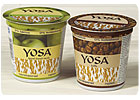 Bioferme Oy of Finland markets Yosa® probiotic oat product. The cultured product has a texture similar to yogurt and comes in a variety of formulations. For example, there's a high-fiber line that comes in Plum and Fruits of the Forest (blueberry, lingonberry, raspberry and strawberry) flavors. The organic line comes in Blueberry-Banana and Red Berries (chokeberry, lingonberry, red currant and strawberry). Yosa also comes in dessert flavors such as Apple-Cinnamon-Vanilla and Coffee.
The company says Yosa is for milk-intolerant people who want an alternative to both dairy and soy yogurts. The oat content is promoted for its soluble fiber, which has been clinically shown to help reduce cholesterol.
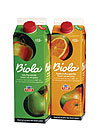 Tine BA in Norway has launched a new range of juice drinks into the Norwegian market. Biola® fruit juice drinks contain the probiotic Lactobacillus rhamnosus GG (LGG®). Just two glasses provides an effective daily dose. Biola fruit juice drinks are available in Orange-Mango and Apple-Pear flavors. They contain more than 95% fruit and no added sugar.
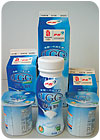 LGG has the best documented health benefits of any probiotic strain. It is featured in about 300 published studies in peer-reviewed scientific journals, 100 of which are human studies. LGG has been used in fermented milks and other dairy products since 1990. In Norway, dairy products with LGG have been on the market since 1995. Tine is using LGG under license from Finnish dairy company Valio Ltd.
China's Inner Mongolia Yili Industrial Group Co., or simply Yili Group, is using LGG in sweetened cup yogurt, which comes in nine fruit flavors as well as plain. The yogurt is made in its Beijing plant, and is sold throughout mainland China in 125g, 200g, 500g and 950g packages. There is also an LGG drinking yogurt in 200g daily-dose bottles, which comes in three different protein levels. Most recently, Yili rolled out LGG ice cream. Mainland China is probably the world's fastest developing yogurt market and grew by about 40% in 2005.
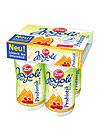 Germany's Zott GmbH & Co., markets Zott Jogolé Probiotik Drink, which is made with the company's proprietary Lactobacillus casei Belactiva-3 culture. This shot-style drink is sold in four packs and comes in flavors such as Cherry-Vanilla, Orange-Sallow Thorn and Peach-Passionfruit.
 Located just outside Castlebar in Ireland, Sheila's (Mayo) Ltd manufactures Cuinneog brand ProBiotic Butter. Using old-fashioned churning techniques passed from one generation to another, the company says its traditional country butter with added probiotic bacteria is full of natural goodness, has a unique lactic taste and is functionally active.
Photo courtesy of Chr. Hansen
Those of us in the dairy industry know by now that not all bacteria are bad. But getting the rest of the world to understand that is not an easy task.
The fact, though, is that beneficial microbes (probiotics) could represent the future of medicine, with the potential to treat a variety of diseases in humans and animals from diarrhea and eczema to gum disease and autoimmune disorders, according to a report released by the American Academy of Microbiology, Probiotic Microbes: The Scientific Basis.
"Theoretically, beneficial microorganisms could be used to treat a range of clinical conditions that have been linked to pathogens, including gastrointestinal problems like irritable bowel syndrome and inflammatory bowel disease, oral diseases like tooth decay and periodontal disease, and various other infections, including vaginal infections and possibly skin infections. Probiotics could also conceivably be put to use in preventing disease or thwarting autoimmune disorders. A number of these possibilities are being explored in research labs and hospitals around the world," says Richard Walker of FDA and a co-chair of the steering committee that produced the report.
Probiotics can help prevent and treat disease through a number of mechanisms. One way is by interacting directly with the disease-causing microbes, making it harder for them to cause disease. An example of this is the ingestion of probiotic bacteria to prevent or treat diarrhea. The organisms help reinforce the natural bacterial barrier that exists on the lining of the digestive tract providing additional protection against pathogenic organisms that can cause diarrhea.
"Several probiotics have been shown to shorten the duration of acute watery diarrhea caused by rotavirus in children. Other causes of diarrhea may also be addressed through probiotics," says Carol Wells of the University of Minnesota, another member of the steering committee.
Another example of microbe-microbe interaction in probiotics is a phenomenon known as "competitive exclusion" in which beneficial microbes directly compete with disease-causing microbes for food and other resources, eventually crowding them out. One potential application of competitive exclusion would be colonizing the mouth with beneficial bacteria to prevent the growth of bacteria that cause cavities and gum disease.
Probiotics also help prevent disease by interacting with and strengthening the immune system. "Exposure to commensal organisms is necessary for the appropriate development of both the innate and acquired immune systems. Once established, probiotic organisms interact with these immune defenses, possibly changing the nature of the immune response to other antigens, including commensal and pathogenic organisms," says Walker.
Other potential future applications of probiotics identified in the report include treating antibiotic-resistant infections, encouraging weight gain in newborns and children with AIDS, reducing the incidence of kidney stones, and reducing the recurrence of bladder tumors.
The report is the outcome of a colloquium convened by the American Academy of Microbiology in November 2005 to discuss the current state of knowledge regarding probiotics. Participants with expertise in microbiology, medicine, periodontics, animal science, immunology, nutrition and other fields met to discuss a variety of issues associated with the field of probiotics. In addition to providing an overview of the current state of and potential for probiotic research, the report also offers specific recommendations to help advance the field.
The definition of "probiotic" set forth by the United Nations Food and Agricultural Organization and the World Health Organization in a joint report on the topic identifies probiotics as "live microorganisms, which, when administered in adequate amounts, confer a health benefit on the host" (FAO/WHO, 2001). This definition was adopted by the colloquium participants and will likely become the universal definition for this segment of microbiology.
A full copy of the report and recommendations can be found on the Academy website at http://www.asm.org/Academy/index.asp?bid=2093. To receive a printed copy email the Academy at colloquia@asmusa.org.
Six vacuum driven block formers feed automatic baggers. Blocks are then fed on two conveyors through shrink tunnels and metal detectors.
Sidebar: Cultures Beyond Dairy
In the United States, probiotics have ventured beyond dairy products. Last month Dairy Foods reported on the roll out of Kashi Vive™ Probiotic Digestive Wellness Cereal from the Kashi Co., a part of Kellogg Co., Battle Creek, Mich.This month, Attune Foods Inc., Mill Valley, Calif., has started marketing its new attune™ wellness bars online. The bars claim to contain five-times the amount of live and active bacteria normally found in yogurt. According to company CEO Rob Hurlbut, the cultures are composed of three clinically studied strains shown to assist with increasing immunity, assisting with digestive health and improving overall wellness. This information is made available to consumers via www.attunefoods.com, where bars can also be purchased. The bars come in three varieties: Blueberry Vanilla, Chocolate Crisp and Cool Mint Chocolate.
Sidebar: Probiotics . . . Alive Inside and Outside of Dairy
It should be no surprise that probiotics are being incorporated into non-dairy foods both here and abroad. For example, Calpis Co., Tokyo, has rolled out Aqua Lactic Acid Bacteria, a soft drink product that is calorie free and loaded with Lactobacillus acidophilus. A 500-ml bottle sells for about 147 yen, or $1.23.The company says Yosa is for milk-intolerant people who want an alternative to both dairy and soy yogurts. The oat content is promoted for its soluble fiber, which has been clinically shown to help reduce cholesterol.
China's Inner Mongolia Yili Industrial Group Co., or simply Yili Group, is using LGG in sweetened cup yogurt, which comes in nine fruit flavors as well as plain. The yogurt is made in its Beijing plant, and is sold throughout mainland China in 125g, 200g, 500g and 950g packages. There is also an LGG drinking yogurt in 200g daily-dose bottles, which comes in three different protein levels. Most recently, Yili rolled out LGG ice cream. Mainland China is probably the world's fastest developing yogurt market and grew by about 40% in 2005.
Looking for a reprint of this article?
From high-res PDFs to custom plaques, order your copy today!