Dairy Foods logo
search
cart
facebook twitter linkedin youtube
  • Sign In
  • Create Account
  • Sign Out
  • My Account
Dairy Foods logo
  • NEWS
    • DAIRY REGULATIONS
  • PRODUCTS
    • New Products
    • Butter
    • Cheese
    • Cultured Dairy
    • Frozen Desserts
    • Ice Cream/Novelties
    • Milk
    • Non-Dairy Beverages
    • Sales Data
    • Whey, Milk Powder
    • Dairy Alternatives
  • INGREDIENTS
    • Cocoa
    • Colors/Flavors
    • Cultures/Enzymes
    • Fiber
    • Gums, Stabilizers, and Texturants
    • Inclusions
    • Omegas/Lipids
    • Prebiotics
    • Probiotics
    • Sweeteners
    • Other
  • OPERATIONS
    • SUSTAINABILITY
    • Equipment
    • Processing
    • Packaging
    • Food Safety & Sanitation
    • Membrane Technology
  • MEDIA
    • Dairy Foods TV
    • Podcasts
    • Webinars
  • DIRECTORIES
    • Buyers Guide
    • Dairy Plants USA
  • MEMBRANE FORUM
  • MORE
    • Associations
    • Dairy Foods' News & Views Newsletter
    • Blogs
    • Case Studies
    • Classifieds
    • Custom Content & Marketing Services
    • Dairy Foods Store
    • Market Research
    • Supplier Spotlights
    • Tradeshows and Events
    • Strategy Guides
  • AWARDS
    • Dairy Plant of the Year Award
    • Breakthrough Award
    • Dairy Processor of the Year
  • EMAGAZINE
    • eMagazines
    • Archive Issues
    • Contact
    • Advertise
    • SIGN UP!
    • Columnists
    • Dairy 100
    • State of the Industry Report
    Dairy Foods Columnists

    Deliver the full benefits of cultured dairy

    Fermented milk products could arguably be one of the most convenient, tasty, economic and healthy foods we have today.

    By Phillip S. Tong
    February 17, 2013
    Consumer’s acceptance of the idea that yogurt, a fermented (cultured) milk, is “good for you” has been so widespread that it has attracted other marketers who are trying to figure out how to capitalize on its popularity.

    There has been a proliferation of all kinds of products that attempt to suggest they can provide the health benefits associated with fermented milk products simply by stating that such new “good for you” products contain certain micro-organisms. Just by adding a probiotic cocktail to the product (and often not at levels deemed efficacious), marketers hope that consumers believe that traditional cheeses, frozen desserts, milks and other dairy beverages have been transformed into better-for-you dairy foods.

    This may have some merit from a health viewpoint because of the symbiotic nature of all things dairy and lactic acid bacteria. But this does not necessarily crossover to other food and non-food systems. Nonetheless, now there are extra-healthy nutrition bars with probiotics and probiotic pills. But we all know that in the process of manufacturing yogurt, cheese and other fermented milk products, the addition of the culture is just one step in a multistep process.

    After culture addition, we create conditions that facilitate uptake of the many nutrients in the milk by the microbial culture. As a result, these beneficial micro-organisms proliferate and produce metabolic products. Some of the metabolic products cause substantial changes in the food structure, taste, texture and appearance, and importantly, the environment in which the culture now resides.


    Be careful in storage, handling

    Storage and handling may enhance or detract from the good-for-you outcomes of the fermentation process. While the marketing department focuses on the specific strains of the cultures added during  manufacturing, producing a healthy fermented milk product can and should be much more involved than making a claim on the package. For example, many pickles and sauerkraut go through a lactic fermentation like yogurt, but then they are commonly hot-packed or retorted to allow a long shelf life without refrigeration. That processing step kills any viable good-for-you bacteria that could have been developed as a result of fermentation.

    Fortunately, most fermented dairy products (with the exception of many commercial cream cheeses, processed cheese and pasta filata cheese products) would not go through a high heat process post-fermentation sufficient to kill the desired micro-organisms of interest.

    While specific microbial strains are important in the discussion of the health benefits of probiotics and fermented foods, the food delivery system is often overlooked. According to M.E. Sanders and M. L. Marco in the Annual Review of Food Science and Technology (2010), “the delivery vehicle is likely to influence probiotic functionality in many ways including inducing changes in the cell composition and physiological status of the probiotic; providing other complementary physiologically active ingredients, such as fibers, known bioactive compounds, fermentation end-products such as organic acids, bacteriocins or bioactive peptides; or improving the likelihood of regular consumption through product palatability and incorporation of that product into the diet. These factors could also be expected to affect cell fitness throughout product shelf life. Ideally, cells in the product are consistently functional all throughout the shelf life of the product.” They go on to state that “the few studies that have been performed comparing food matrices suggest that fermented milk might augment probiotic functionality.”


    Why dairy delivers

    Bioactive compounds from milk — like calcium, oligosacharrides, glycosphingolipids and immunoglobulins — might explain why dairy is the preferred delivery system. These and other compounds in milk may also be complementary to the specific health benefits associated with the cultures and/or their fermentation products.

    Research using molecular expression techniques also indicates that probiotic bacteria adapt to food product systems like milk and enhance their survival and interactions in the human gut where digestive health benefits are maximized.

    Regular consumption of fermented milk, particularly yogurt, is one of the few food matrices that have been studied repeatedly in controlled clinical trials and has been shown to improve digestive health and is suggestive of other health benefits. Despite these studies, there is a clear need for additional research to better document the role of the delivery system on probiotic health benefits.

    Fermented milk products could arguably be one of the most convenient, tasty, economic and healthy foods we have today. There is still opportunity to develop and market products for “yet to be satisfied” consumers. Many of the established and potential health benefits have been clearly linked to more than just the organisms used in the fermentation but also to the fact they are part of a dairy/milk system.

    Continuing to support new scientific studies that clarify the link between fermented milks and their health benefits will only strengthen this message. By making sure consumers know this and delivering on other desired consumer attributes by investing in parallel product research efforts, there is no reason to not expect yogurt and other fermented milk product sales to continue to soar to new heights and for consumers to derive the full health benefits from their consumption.

    KEYWORDS: fermented dairy products probiotics yogurt

    Share This Story

    Looking for a reprint of this article?
    From high-res PDFs to custom plaques, order your copy today!

    Phillip S. Tong, Ph.D., is Professor of Dairy Science at the Dairy Products Technology Center, California Polytechnic State University, San Luis Obispo, Calif.

    Recommended Content

    JOIN TODAY
    to unlock your recommendations.

    Already have an account? Sign In

    • Lifeway Organic Kefir in different flavors inside a refrigerated grocery shelf.

      Dairy Foods names Lifeway Foods 2025 Processor of the Year

      Lifeway Foods donates $10,000 to wildfire victims,...
      Dairy Foods & Beverages
      By: Brian Berk
    • Two female farmers are standing in a field, holding a large milk canister, looking at several cows at dairy farm.

      Honoring Women Leaders Shaping the Dairy Industry

      For the fourth consecutive year, Dairy Foods is proud to...
      Innovation
      By: Barbara Harfmann
    • Main feature for State of the Industry with dairy products album cover with a gradient circular--patterned backgorund.

      2025 State of the Dairy Industry

      Welcome to the 2025 State of the Industry report. For...
      Cheese
    Manage My Account
    • eMagazine Subscription
    • Dairy Foods News & Views Newsletter
    • Online Registration
    • Manage My Preferences
    • Subscription Customer Service
    • Connect with Dairy Foods

    More Videos

    Popular Stories

    Close up of a whipped frozen dessert with a light green color.

    The keys to high-protein dairy formulations

    A young Asian mother holding her son and a sippy cup, an older woman is in the blurred background.

    Finding the right infant formula is crucial to a baby’s growth and development

    A row of Frios Gourmet Pops with a tie dye pattern as a background.

    How Frios Gourmet Pops delivers happiness

    Outlook Report: Women in Dairy

    Products

    Probiotic Ice Cream: Science and Technology

    Probiotic Ice Cream: Science and Technology

    See More Products
    Let's Talk Dairy podcast promo

    Related Articles

    • yogurt and cottage cheese

      The benefits of using cultured dairy products as ingredients

      See More
    • Formulating the next generation of cultured dairy foods

      See More
    • Sales of cultured dairy foods have been flat in the past year

      See More

    Related Products

    See More Products
    • two world.jpg

      The Potential Effect Of Two New Biotechnologies On The World Dairy Industry

    • GlobalData_Consumer.jpg

      Milk (Dairy & Soy Food) Market in the United States of America - Outlook to 2024: Market Size, Growth and Forecast Analytics

    • handbook.jpg

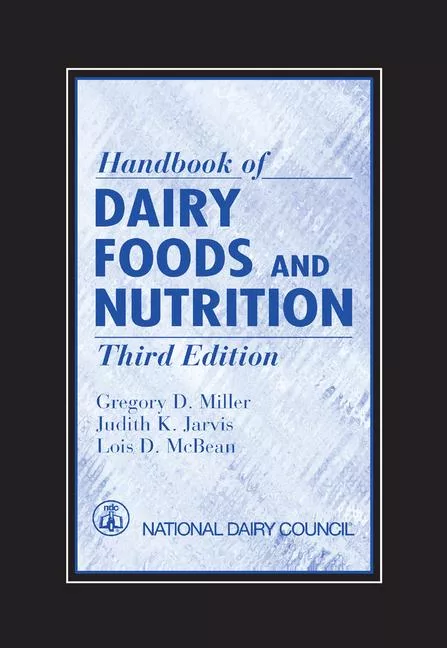
      Handbook of Dairy Foods and Nutrition, 3rd Edition

    See More Products

    Related Directories

    • Vivolac Cultures Corp.

      For over 50 years, Vivolac Cultures Corporation has remained a quality manufacturer of bacterial cultures. We specialize in providing innovative solutions and superior technical support for all your cultured product needs.
    • Serac Inc.

      Serac designs and manufactures liquid filling and capping machines and blow molding equipment. We offer a wide variety of machines allowing us to be present in many different industries. The Serac Inc customer centric approach is based on proximity with a vision of sustainability, we design and build in the USA.
    ×

    Stay ahead of the curve. Unlock a dose of cutting-edge insights.

    Receive our premium content directly to your inbox.

    SIGN-UP TODAY
    • RESOURCES
      • Advertise
      • Contact Us
      • Directories
      • Store
      • Want More
    • SIGN UP TODAY
      • Create Account
      • eMagazine
      • Newsletter
      • Customer Service
      • Manage Preferences
    • SERVICES
      • Marketing Services
      • Reprints
      • Market Research
      • List Rental
      • Survey/Respondent Access
    • STAY CONNECTED
      • LinkedIn
      • Facebook
      • YouTube
      • X (Twitter)
    • PRIVACY
      • PRIVACY POLICY
      • TERMS & CONDITIONS
      • DO NOT SELL MY INFORMATION
      • PRIVACY REQUEST
      • ACCESSIBILITY

    Copyright ©2026. All Rights Reserved BNP Media, Inc. and BNP Media II, LLC.

    Design, CMS, Hosting & Web Development :: ePublishing