Dairy Foods
  Home
  Subscribe
  e-newsletter
  Subscription Customer Service
  Online
  Web Exclusives
  Dairy News
  Calendar of Events
  Dairy Field Reports
  DFR Behind the Scenes
  Ask The Experts
  DF Blog
  Videos
  Webinars
  Podcasts
  Source Book
  Supplier Product Guide
  FISA Distributer Guide
  Associations Index
  Current Issue
  Features
  Departments
  New Products + Marketing
  Ingredient Technology
  Plant Operations
  White Papers
  Resources
  Dairy Foods Archives
  Dairy Field Archives
  Digital Edition Archive
  E-Newsletter Archive
  Career Center
  Classified Ads
  Industry Links
  Market Research
  DF Info
  Contact Ad Staff
  Media Kit
  Contact Editorial Staff
  Reprints
  DF Events
  Membrane Short Course
  Special Collections
  Dairy 100
  Supplier Spotlights
Search in: EditorialProductsCompanies
Take Note

September 1, 2005

ARTICLE TOOLS
EmailEmailPrintPrintReprintsReprintsshareShare


Many of today’s beverage marketers rely on milk and cultured milk (yogurt) to provide their drinks with wholesomeness, nutrition and great taste. Many of these marketers are not in the dairy business, but through the use of milk ingredients or co-packers, they are able to offer consumers milk in different beverage forms. Oftentimes these beverages are labeled using fancy names, with either milk or yogurt mentioned in a tagline. Sometimes the only reference is in the ingredient statement.

Tropicana Products Inc., Bradenton, Fla., a part of Purchase, N.Y.-based PepsiCo Inc., markets Tropicana® Smoothies™. Labels describe the beverage as a “nutritious blend of juice & yogurt.” Among two recent additions is Pineapple Mango Medley Antioxidant Boost, which is described as being loaded with antioxidant power to fight free radicals and fortify the immune system. The other—Raspberry Chocolate Dip Protein Power—is packed with 10g of protein to provide the body fuel to feel good all day. Both drinks provide noteworthy levels of protein from added nonfat dry milk, whey protein concentrate and whey protein isolate.


Pepsi also distributes the most well-known, ready-to-drink coffee-milk beverage: Starbucks® Frappuccino®. Described as “a lowfat creamy blend of Starbucks coffee and milk,” the drink comes in a variety of flavors and in two different glass bottle sizes (9.5oz and 13.7oz). There are even decaf and lite versions.


In efforts to benefit from the success of Frappuccino, many beverage marketers have given a personal twist to the coffee convenience concept. For example, New York-based Brain-Twist Inc., teamed up with Cinnabon Inc., Atlanta, to market Cinnabon® Cinnamon Vanilla Latte and Cinnabon Caramel Nut Latte. Though the only reference to dairy on front labels is use of the word “latte,” ingredient statements include cream, milk and skim milk.

Meal replacement beverages often include milk and/or dairy ingredients in order to obtain a rounded nutrient profile. This is especially true in products targeted to women, since women want creaminess and great taste without unnecessary calories or sugar. And milk can do this.



High in protein and 24 vitamins and minerals, Slim-Fast® Optima™ Smoothies are made with nonfat dry milk and whey. Its competitor—PowerBar® Pria®—lists nonfat milk first on the ingredient statement. Followed by water, this new shelf-stable beverage lists “complete milk protein” third. Both meal replacements rely on dairy in order to provide consumers with a great-tasting, highly nutritious drink.


In efforts to appeal to active, health-conscious adults who are interested in losing or maintaining proper weight, Bravo! Foods International Corp., North Palm Beach, Fla., markets Slim Slammers®. Described as “low fat flavored milk,” the emphasis on Slim Slammers labels is the reduction in fat, calories and carbs, and the increase in calcium.

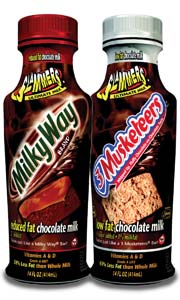
Bravo! now markets a line of Mars® candy-flavored milks. The Milky Way® reduced-fat chocolate milk and the 3 Musketeers® low-fat chocolate milk drinks are described as “ultimate milk,” whereas the Starburst® line goes by the fanciful name of “ultimate smoothie” and is positioned as “fruit & crème.”


Dairies know that fruit juice blends very well with dairy, as is apparent in two recent offerings from Dean Foods Co., Dallas. Under its Horizon® Organic brand, the company markets Smoothies, which are a blend of nonfat yogurt and fruit juices targeted to on-the-go kids.


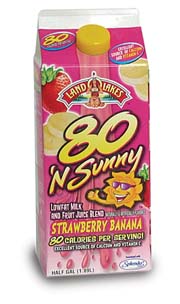
Under Dean Foods’ Land O Lakes™ brand, there’s new “80 ‘N Sunny™ lowfat milk and fruit juice blend.” An 8-oz serving contains only 80 calories, and has as much calcium as the same amount of milk and as much vitamin C as the equivalent volume of orange juice.

“Our research told us kids love the refreshing taste,” says Dave Haley, dir. of marketing. “And besides tasting great, our new product helps address two critical issues with today’s kids”—obesity and calcium intake.

These products rely on dairy to provide them with a point of differentiation in the competitive beverage category. There’s no doubt that cutting-edge marketers will continue to offer today’s consumers the types of beverages that they want: great-tasting, smooth mouthfeel and nutritionally appealing. Dairy offers all that and more!


|PrintEmail

Did you enjoy this article? Click here to subscribe to the magazine.
BNP Media