Marketing Insights: Getting Serious About Organics
Almost three-quarters of the U.S. population buy organic products at least occasionally. At the core of the market, about one-quarter of all U.S. consumers buy organic products weekly or more often.

Almost three-quarters of the U.S. population buy organic products at least occasionally. At the core of the market, about one-quarter of all U.S. consumers buy organic products weekly or more often.
If you've been thinking organic is a fad or you've been thinking it is once-a-niche, always-a-niche, you better get a new thinking cap. Most significantly for you, milk and dairy products are at the forefront of the growth in the dynamic organic foods market. In fact, dairy has been at or near the front of the parade for more than a decade.
A new report - Organic 2006: Consumer Attitudes & Behavior, Five Years Later & Into the Future - is a must-read. I'll share the tip of the iceberg from this report and others, but to get serious about the organic dairy market you'll need to talk to The Hartman Group (www.hartman-group.com).
 Growth in the organic foods business has been double-digits for years, but this is just the beginning. "Organics stand at the heart of many American's food aspirations, even those who rarely purchase organics," notes Laurie Demeritt, president and COO of The Hartman Group.
When it comes to paying for organic foods, consumers aren't shy. They're putting their money where their mouth (or should I say stomach) is. Half (49%) of the Hartman survey respondents who buy organic milk are willing to pay a 30% premium for organic versions of milk; more than 40% will pay this premium for soymilk and about one-third will pay the premium for other dairy products such as cheese, butter and yogurt.
Among the "core" organic consumers identified by Hartman, 68% are prepared to pay a 30% premium for milk. Answering a survey and doing what they say they will do are sometimes two different things. Not so when it comes to organics.
Organic milk is frequently sold at a price nearly twice that charged for conventional milk. I see it time after time as I do store checks in various regions of the country: Conventional milk, $3.59 per gallon, for example; organic milk, $3.59 for a half gallon.
What's most amazing: Frequent out-of-stock situations. There is a shortage of organic milk. "Due to a nationwide lack of supply, there is a server shortage of organic milk...," read a sign in a grocery store I visited a few weeks ago. The sign was hanging in front of bare shelving in the dairy case.
It takes a dairy farmer several years to get qualified as a producer of organic milk. So, the shortage is here to stay at least for the foreseeable future. Personally, I'm convinced there will be a shortage of organic milk for a long time.
At least one dairy processor and a couple of retailers apparently agree with me. They are out scouring the countryside in search of milk from cows-not-treated-with-rBST, according to numerous sources. The companies named: Dean Foods, parent of Horizon Organic and the country's two largest food retailers, Wal-Mart and Kroger.
In my humble opinion, the controversy surrounding the introduction of BST about 10 years ago was and still is a major motivator of consumers switching to organic milk and dairy products. Therefore, it stands to reason: The best alternative to organic milk is milk from untreated cows.
Loyalty to organic milk, however, is strong among core users. Hartman reports: "If an organic beverage that consumers buy regularly is temporarily out-of-stock, two-thirds (66%) of core consumers won't settle for a non-organic version of milk; 59% of core consumers will go promptly to another store to buy organic; while 7% say they will wait to buy the organic version on their next trip.
Even among mid-level organic consumers, more than one-third (37%) said they would not settle for a non-organic milk. Again, what consumers say and what they do are sometimes two different things. "BST-free" milk for a few cents more than conventional milk and no organic milk on the shelf may change their minds. Or not!
When all is said and done, please remember: Organic milk and dairy products are not some short-term fad and, if they are a niche now, they won't be for much longer.
Almost three-quarters of the U.S. population buy organic products at least occasionally. At the core of the market, about one-quarter of all U.S. consumers buy organic products weekly or more often.
If you've been thinking organic is a fad or you've been thinking it is once-a-niche, always-a-niche, you better get a new thinking cap. Most significantly for you, milk and dairy products are at the forefront of the growth in the dynamic organic foods market. In fact, dairy has been at or near the front of the parade for more than a decade.
A new report - Organic 2006: Consumer Attitudes & Behavior, Five Years Later & Into the Future - is a must-read. I'll share the tip of the iceberg from this report and others, but to get serious about the organic dairy market you'll need to talk to The Hartman Group (www.hartman-group.com).
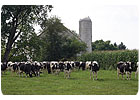
More and more consumers want organic, but they might settle for milk from cows not treated with rBST.
When it comes to paying for organic foods, consumers aren't shy. They're putting their money where their mouth (or should I say stomach) is. Half (49%) of the Hartman survey respondents who buy organic milk are willing to pay a 30% premium for organic versions of milk; more than 40% will pay this premium for soymilk and about one-third will pay the premium for other dairy products such as cheese, butter and yogurt.
Among the "core" organic consumers identified by Hartman, 68% are prepared to pay a 30% premium for milk. Answering a survey and doing what they say they will do are sometimes two different things. Not so when it comes to organics.
Organic milk is frequently sold at a price nearly twice that charged for conventional milk. I see it time after time as I do store checks in various regions of the country: Conventional milk, $3.59 per gallon, for example; organic milk, $3.59 for a half gallon.
What's most amazing: Frequent out-of-stock situations. There is a shortage of organic milk. "Due to a nationwide lack of supply, there is a server shortage of organic milk...," read a sign in a grocery store I visited a few weeks ago. The sign was hanging in front of bare shelving in the dairy case.
It takes a dairy farmer several years to get qualified as a producer of organic milk. So, the shortage is here to stay at least for the foreseeable future. Personally, I'm convinced there will be a shortage of organic milk for a long time.
At least one dairy processor and a couple of retailers apparently agree with me. They are out scouring the countryside in search of milk from cows-not-treated-with-rBST, according to numerous sources. The companies named: Dean Foods, parent of Horizon Organic and the country's two largest food retailers, Wal-Mart and Kroger.
In my humble opinion, the controversy surrounding the introduction of BST about 10 years ago was and still is a major motivator of consumers switching to organic milk and dairy products. Therefore, it stands to reason: The best alternative to organic milk is milk from untreated cows.
Loyalty to organic milk, however, is strong among core users. Hartman reports: "If an organic beverage that consumers buy regularly is temporarily out-of-stock, two-thirds (66%) of core consumers won't settle for a non-organic version of milk; 59% of core consumers will go promptly to another store to buy organic; while 7% say they will wait to buy the organic version on their next trip.
Even among mid-level organic consumers, more than one-third (37%) said they would not settle for a non-organic milk. Again, what consumers say and what they do are sometimes two different things. "BST-free" milk for a few cents more than conventional milk and no organic milk on the shelf may change their minds. Or not!
When all is said and done, please remember: Organic milk and dairy products are not some short-term fad and, if they are a niche now, they won't be for much longer.
Links
Looking for a reprint of this article?
From high-res PDFs to custom plaques, order your copy today!