Lab Talk: Fruitful Formulations
Deep red cherries, plump juicy blueberries, a perfectly ripened banana . . . who can resist such tempting fruits? But then there’s the mealy apple, the flavorless melon and the dry, stringy peach. Not only is it tough to consume the recommended servings of fruit per day, it’s more challenging to make them all fresh choices. Seasonal variation, supply and price have consumers looking to other sources for their daily dose of fruit. Dairy foods can contribute to this, as the bright colors and pleasing flavors of most fruits make them natural partners for the subtle, neutral taste of dairy foods.
“We still have a long way to go to reach the level and variety of fruit and vegetable consumption advised in the most recent Dietary Guidelines for Americans-two cups of fruit and two and one-half cups of vegetables,” said Kathy Means, vice president of government relations and public affairs for the Produce Marketing Association, Newark, Del., to the 2010 Dietary Guidelines for Americans advisory committee on Jan. 29. “Fruits and vegetables are the power players in these recommendations, a key to making progress on so many other recommendations-reducing fat, salt and added sugars, increasing potassium intake. They are also critical weapons in the battle against obesity and many chronic diseases.
“It is important to stress consumption of whole foods, specifying that whole fruits and vegetables, rather than food supplements, offer health benefits from synergy of each unique combination of nutrients and phytonutrients that we know about and those that we have yet to discover,” Means said. When it comes to formulating with fruit, the more the fruit ingredient resembles the freshly harvested product, the more likely consumers believe it counts as their daily dose.
The 2005 Dietary Guidelines already recommend increased consumption of fruits and all signs indicate that the 2010 guidelines will use language to reinforce that Americans should “eat more fruits and vegetables.” Dairy foods are an ideal delivery vehicle of high-quality fruit ingredients.
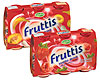
Marketers around the world take different approaches to delivering a serving or so of fruit via a processed product. U.S. dairy processors can learn from them. For example, The Netherlands-based FrieslandCampina markets the Campina Fruttis range of yogurts and fermented dairy drinks described as “a perfect match of dairy and fruit.” They claim to be the “fruitiest” in the marketplace, with the visible fruit pieces counting towards one’s daily requirements.
A similar product was buried about a year ago by the U.K. division of Germany-based dairy giant Muller. The company’s “1 a Day” yogurt line lasted about a year in the market. The range, which was marketed as a “convenient route to fruit,” experienced impressive first-year sales. According to reports by the company, the 1 a Day range was a relatively complex and expensive product to produce because of its high fruit content and the layering process involved during the packaging of the product. Unfortunately skyrocketing raw material prices on a product already priced at a premium forced the company to cease production, as retailers were not willing to raise the price of the product. The 1 a Day range included five varieties of 175g cup yogurts, which were more than half fruit (80g).
Back in the States, Naked Juice adds Acai Machine juice smoothie and Pomegranate juice to its power-packed line-up of 100% juice products. The Acai Machine includes a whopping 178 acai berries in every 15.2-oz bottle. With the Pomegranate variety, there are four and one-third California pomegranates in each 15.2-oz bottle. As with all Naked Juice products, Acai Machine and Pomegranate contain no added sugar or preservatives, with each bottle containing more than three servings of fruit.
When it comes to adding fruit ingredients to dairy foods, from economic, quality and safety perspectives, fresh fruits are not a sensible choice. Frozen and aseptically packaged fruit ingredients, which can be whole, diced, pureed, concentrated, juiced and more, are convenient to work with and, an added plus, many are actually more nutrient-dense than their fresh counterparts as a result of being processed within a couple of hours of harvesting. Thus, they retain more nutrients than some fresh fruits, which degrade during storage, shipping and time spent sitting in the produce aisle.
Highly concentrated juices and purées can be used to naturally color dairy foods without contributing much in the way of flavor or sweetness. They can also add sweetness, as fructose, which is about 20% sweeter than sucrose, is abundant in fruits. Consumers often find dairy foods “naturally sweetened with fruit juice” to be more appealing than those containing sugar or non-nutritive sweeteners.
Consumers are always looking for deals, such as a product that delivers a serving of fruit and dairy. The right combination of fruit ingredients enables such a content claim.
Looking for a reprint of this article?
From high-res PDFs to custom plaques, order your copy today!