Industry Editorial: Will rBST RIP?
There's been a little rumbling about rBST recently. And there are reasons to believe it might be only the beginning of the rumbling, or the beginning of the end for the use of the stuff in the U.S.

There's been a little rumbling about rBST recently. And there are reasons to believe it might be only the beginning of the rumbling, or the beginning of the end for the use of the stuff in the U.S.
Dean Foods is going rBST-free? HP Hood too?
And don't think it's going to end there. Sources tell me that plants owned by these and other big processors in places including Texas and California are saying no to rBST.
Maybe the rumbling started earlier, with Oakhurst Dairy, or Ben and Jerry's or Tillamook. But with Dean Foods (and maybe Wal-Mart) involved, it may become an earthquake.
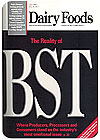 When the Dean story broke last month, I had to go back through our bound editions to find a Dairy Foods cover story from the July issue, 1993. I had stumbled across it a few years ago, the cover having caught my eye with those three ominous looking letters against a dark background-BST. It was packed with information about BST, the synthetic growth hormone that had just been approved by USDA.
There was analysis of the industry-wide (and wider) debate about their impending use. There were articles looking at the history and substance of the debate over rBST (or rBGH), discussion of the early plans by some processors to market "rBST-free" milk, and forecasts of how the whole issue would shake out.
The overall theme was that BST (the magazine did not use the term rBST at the time) had been proven safe, that use of the drug would cause no upheaval in the industry, and that consumers, while worried, would come around with a little "education."
An article bearing the headline The People's Choice, looked at consumer perceptions, and predicted how milk drinkers might react once the herds started getting their little booster shots.
Well, 65% disagreed with USDA's approval, according to research conducted by Johanna Dairies Inc., New Jersey. Fifty two percent were concerned about future health effects, according to a University of Wisconsin report and 77% said they wanted a warning label on their milk.
However, industry groups had "joined forces with Monsanto" to provide a united front, the story said. The American Medical Association was even preparing TV commercials.
The mainstream media saw the size of the story and helped pass along the industry's "not-to-worry" message, balanced with the outcries of skeptics.
In the 13 years since, the reassurances have been regurgitated to American consumers countless times. Yet, 13 years later, consumers still don't buy them.
In 13 years, Wal-Mart has put up so many stores along so many interstates, it's now the biggest company in the world, and now Wal-Mart wants its milk to be made the old-fashioned way too. The retail giant says it wants to offer more organic milk, but you have to wonder where it will come from.
Thirteen years after rBST was approved, dairy farmers use the term CWT for two different things, one being a standard of measure, the other being a program designed to reduce the domestic milk supply. This month Dairy Foods goes international, and looking around at the rest of the world (both its examples and its opportunities) you can't help but have second thoughts about the decisions made 13 years ago.
Today's consumer wants her milk without a question mark-in fact she always has, but now the industry is listening, in part because at least for the moment, organic milk cannot meet the demand.
Thirteen years, has a familiar ring to it. In 1920 the U.S. Constitution was amended to prohibit the sale of alcoholic beverages-a controversial idea that many people had faith in. In 1933 it was repealed. Sure, hindsight is 20/20, but it's difficult to understand why it should take both halves of the dairy industry longer than it took Congress to admit to a monumental mistake.
Monsanto is already on the defensive, saying processors are denying the farmer access to beneficial technology. That's a hollow argument in that Posilac provides no benefit other than increased production. We would all love to be more productive, but where's the benefit if it undermines the credibility of the product?
There is no law requiring the dairy industry to continue to harbor the use of recombinant bovine somatotropin. In fact the law of supply and demand seems to indicate that the industry will soon do something it should have done long ago. It's time to say goodbye to rBST.
There's been a little rumbling about rBST recently. And there are reasons to believe it might be only the beginning of the rumbling, or the beginning of the end for the use of the stuff in the U.S.
Dean Foods is going rBST-free? HP Hood too?
And don't think it's going to end there. Sources tell me that plants owned by these and other big processors in places including Texas and California are saying no to rBST.
Maybe the rumbling started earlier, with Oakhurst Dairy, or Ben and Jerry's or Tillamook. But with Dean Foods (and maybe Wal-Mart) involved, it may become an earthquake.
There was analysis of the industry-wide (and wider) debate about their impending use. There were articles looking at the history and substance of the debate over rBST (or rBGH), discussion of the early plans by some processors to market "rBST-free" milk, and forecasts of how the whole issue would shake out.
The overall theme was that BST (the magazine did not use the term rBST at the time) had been proven safe, that use of the drug would cause no upheaval in the industry, and that consumers, while worried, would come around with a little "education."
An article bearing the headline The People's Choice, looked at consumer perceptions, and predicted how milk drinkers might react once the herds started getting their little booster shots.
Well, 65% disagreed with USDA's approval, according to research conducted by Johanna Dairies Inc., New Jersey. Fifty two percent were concerned about future health effects, according to a University of Wisconsin report and 77% said they wanted a warning label on their milk.
However, industry groups had "joined forces with Monsanto" to provide a united front, the story said. The American Medical Association was even preparing TV commercials.
The mainstream media saw the size of the story and helped pass along the industry's "not-to-worry" message, balanced with the outcries of skeptics.
In the 13 years since, the reassurances have been regurgitated to American consumers countless times. Yet, 13 years later, consumers still don't buy them.
In 13 years, Wal-Mart has put up so many stores along so many interstates, it's now the biggest company in the world, and now Wal-Mart wants its milk to be made the old-fashioned way too. The retail giant says it wants to offer more organic milk, but you have to wonder where it will come from.
Thirteen years after rBST was approved, dairy farmers use the term CWT for two different things, one being a standard of measure, the other being a program designed to reduce the domestic milk supply. This month Dairy Foods goes international, and looking around at the rest of the world (both its examples and its opportunities) you can't help but have second thoughts about the decisions made 13 years ago.
Today's consumer wants her milk without a question mark-in fact she always has, but now the industry is listening, in part because at least for the moment, organic milk cannot meet the demand.
Thirteen years, has a familiar ring to it. In 1920 the U.S. Constitution was amended to prohibit the sale of alcoholic beverages-a controversial idea that many people had faith in. In 1933 it was repealed. Sure, hindsight is 20/20, but it's difficult to understand why it should take both halves of the dairy industry longer than it took Congress to admit to a monumental mistake.
Monsanto is already on the defensive, saying processors are denying the farmer access to beneficial technology. That's a hollow argument in that Posilac provides no benefit other than increased production. We would all love to be more productive, but where's the benefit if it undermines the credibility of the product?
There is no law requiring the dairy industry to continue to harbor the use of recombinant bovine somatotropin. In fact the law of supply and demand seems to indicate that the industry will soon do something it should have done long ago. It's time to say goodbye to rBST.
Looking for a reprint of this article?
From high-res PDFs to custom plaques, order your copy today!