Dairy Foods logo
search
cart
facebook twitter linkedin youtube
  • Sign In
  • Create Account
  • Sign Out
  • My Account
Dairy Foods logo
  • NEWS
    • DAIRY REGULATIONS
  • PRODUCTS
    • New Products
    • Butter
    • Cheese
    • Cultured Dairy
    • Frozen Desserts
    • Ice Cream/Novelties
    • Milk
    • Non-Dairy Beverages
    • Sales Data
    • Whey, Milk Powder
    • Dairy Alternatives
  • INGREDIENTS
    • Cocoa
    • Colors/Flavors
    • Cultures/Enzymes
    • Fiber
    • Gums, Stabilizers, and Texturants
    • Inclusions
    • Omegas/Lipids
    • Prebiotics
    • Probiotics
    • Sweeteners
    • Other
  • OPERATIONS
    • SUSTAINABILITY
    • Equipment
    • Processing
    • Packaging
    • Food Safety & Sanitation
    • Membrane Technology
  • MEDIA
    • Dairy Foods TV
    • Podcasts
    • Webinars
  • DIRECTORIES
    • Buyers Guide
    • Dairy Plants USA
  • MEMBRANE FORUM
  • MORE
    • Associations
    • Dairy Foods' News & Views Newsletter
    • Blogs
    • Case Studies
    • Classifieds
    • Custom Content & Marketing Services
    • Dairy Foods Store
    • Market Research
    • Supplier Spotlights
    • Tradeshows and Events
    • Strategy Guides
  • AWARDS
    • Dairy Plant of the Year Award
    • Breakthrough Award
    • Dairy Processor of the Year
  • EMAGAZINE
    • eMagazines
    • Archive Issues
    • Contact
    • Advertise
    • SIGN UP!
    • Columnists
    • Dairy 100
    • State of the Industry Report
    OperationsDairy Foods ColumnistsDairy Processing and EquipmentProcessing

    Water management practices in dairy processing plants

    The best fluid-milk plants use about one-half gallon of water per gallon of milk processed. The least efficient plants use four times that amount.

    By Clay Detlefsen
    April 10, 2012

    I have been at the International Dairy Foods Association for 22 years, and during that time water usage and wastewater discharges have always been important issues.

    Discussions about water in the past were usually about wastewater. Historically, municipalities added more and more houses and businesses to their sewage treatment plants, but did not upgrade the infrastructure to accommodate the increased load. Things got ugly more than once, and when things went wrong, frequently dairy processors and other food processors got the blame.

    Sadly, that situation continues today. In addition, there is global concern about the incoming water. Will there be enough to meet the demands of an exploding population?

    Most agree the world is heading for some sort of global water crisis. I have even heard folks speak of wars being fought over water, while others are concerned (even frightened) about the future outlook. I see this as an opportunity for the U.S. dairy industry.

    How so, you ask? As I’ve learned during my years in this business, water issues are almost always local in nature. But you also need to look at the big picture. Some of the hardest water-stressed areas in Africa and the Middle East are experiencing devastating droughts and resulting food shortages. China and India have already recognized that they do not have the useable land to grow the food that they will need to support their growing populations. In fact, they are currently experiencing grain shortages due to water shortages.

    Generally speaking, however, the United States will fair reasonably well compared to other parts of the globe. That isn’t to say there aren’t areas in this country that won’t suffer; some parts already are. However, overall, we have the potential to be real winners.

    As global demands increase, it is said that the European and the U.S. agriculture systems will need to double current production levels by 2050. We need to take this seriously, because if we don’t, others will rise up to the challenge (think South America).

    With water becoming a more and more important issue, I wondered how well our industry is doing managing it. I looked at the wastewater side by checking the Environmental Protection Agency’s violations database. Thankfully, I learned that very few enforcement actions have been brought against dairies and most were settled without penalties. Still, EPA can make violations ugly and go after a facility for millions of dollars in fines. That fact, in and of itself, should provide ample incentive to make sure water usage and discharges are being properly managed.

    Managing water in a dairy has always been important, first and foremost because it costs money. As Roy Carawan, formerly of North Carolina State University, always pointed out: You pay for water twice; once when it comes in and again when it leaves (as wastewater). Roy did a lot of work with the food processing and the dairy industry, helping plants reduce their water usage and particularly to help curb wasted water.

    Given that I am an inside-the-Washington-beltway type, I turned to my friend and colleague Craig Nelson for insight into what is happening in plants and how we might be able to improve matters. Craig is the founder of Vigilistics and a new company, Food Automation LLC. According to Craig, who frequently provides training to FDA personnel, the efficiency of water use varies greatly from dairy plant to plant. The best fluid plants use about one-half gallon of water per gallon of milk processed. The least efficient plants use 2 gallons or more of water per gallon of milk processed.

    Most commonly, water is wasted in the clean-in-place (CIP) process. Rinsing is often increased to compensate for inefficient circuits, wasting thousands of gallons of water a day. Unbalanced washes require water to be replaced, thus overusing water and chemicals. In fact, a slightly “untuned” CIP process in an average dairy plant can easily cause overuse of 25,000 to 30,000 gallons of water a day. This adds up to nearly 1 million gallons a month, paid for three times — water, waste and chemicals. Tuning valve sequencing and balancing flows can yield big savings.

    Water flushes are also a big culprit, especially if they are executed manually. A filler line flushed at the end of a product run for an extra few minutes can waste a thousand gallons a day. An evaporator flush often wastes thousands of extra gallons, too. A small amount of automation and diligence can significantly reduce the use.

    The key point here is that excess water can be eliminated. The most efficient plants typically don’t have the most modern equipment or reuse systems. They just exercise good diligence in their CIP and water flush practices.

    The incentives are there to manage water and wastewater correctly. You can do it to save money. You can do it to preserve water for other uses and expansion in the face of a growing world population. Or you can do it to avoid the pitfalls of a protracted battle with EPA.

    I still like to think about this positively. Saving water is an opportunity, one that is likely to become very apparent in the years ahead.

    KEYWORDS: best practices in the dairy industry CIP sustainability

    Share This Story

    Looking for a reprint of this article?
    From high-res PDFs to custom plaques, order your copy today!

    Clay Detlefsen is senior vice president, regulatory and environmental affairs and staff counsel for the National Milk Producers Federations, Arlington, Va. Previously, he was a vice president at the International Dairy Foods Association, Washington, D.C.

    Recommended Content

    JOIN TODAY
    to unlock your recommendations.

    Already have an account? Sign In

    • Lifeway Organic Kefir in different flavors inside a refrigerated grocery shelf.

      Dairy Foods names Lifeway Foods 2025 Processor of the Year

      Lifeway Foods donates $10,000 to wildfire victims,...
      Cultured Dairy
      By: Brian Berk
    • Two female farmers are standing in a field, holding a large milk canister, looking at several cows at dairy farm.

      Honoring Women Leaders Shaping the Dairy Industry

      For the fourth consecutive year, Dairy Foods is proud to...
      Dairy Foods & Beverages
      By: Barbara Harfmann
    • Main feature for State of the Industry with dairy products album cover with a gradient circular--patterned backgorund.

      2025 State of the Dairy Industry

      Welcome to the 2025 State of the Industry report. For...
      Dairy Foods & Beverages
    Manage My Account
    • eMagazine Subscription
    • Dairy Foods News & Views Newsletter
    • Online Registration
    • Manage My Preferences
    • Subscription Customer Service
    • Connect with Dairy Foods

    More Videos

    Popular Stories

    Close up of a whipped frozen dessert with a light green color.

    The keys to high-protein dairy formulations

    A row of Frios Gourmet Pops with a tie dye pattern as a background.

    How Frios Gourmet Pops delivers happiness

    Closeup of young Asian man preparing yogurt and muesli breakfast at modern home. Diet and healthy food morning routine concept.

    Cultured dairy products are a good fit for the new Dietary Guidelines for Americans

    Outlook Report: Women in Dairy

    Products

    Probiotic Ice Cream: Science and Technology

    Probiotic Ice Cream: Science and Technology

    See More Products
    Let's Talk Dairy podcast promo

    Related Articles

    • Best practices for pumps and valves in dairy processing plants

      See More
    • Using X-ray, metal detectors and other detection systems in dairy processing plants

      See More
    • The bottom line benefits of product recovery in dairy processing plants

      See More

    Related Products

    See More Products
    • 9781771887656.jpg

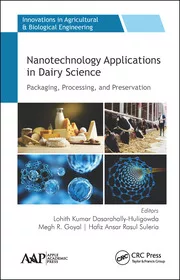
      Nanotechnology Applications in Dairy Science Packaging, Processing, and Preservation

    • novel.jpg

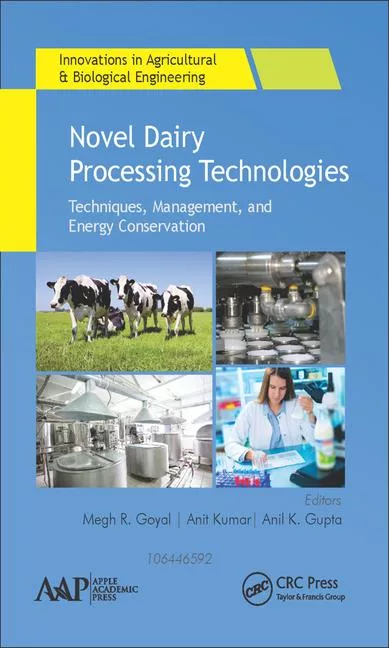
      Novel Dairy Processing Technologies: Techniques, Management, and Energy Conservation

    • tech inv.jpg

      Technological Interventions in Dairy Science: Innovative Approaches in Processing, Preservation, and Analysis of Milk Products

    See More Products

    Related Directories

    • SMI-Dairy Processing Div.

    ×

    Stay ahead of the curve. Unlock a dose of cutting-edge insights.

    Receive our premium content directly to your inbox.

    SIGN-UP TODAY
    • RESOURCES
      • Advertise
      • Contact Us
      • Directories
      • Store
      • Want More
    • SIGN UP TODAY
      • Create Account
      • eMagazine
      • Newsletter
      • Customer Service
      • Manage Preferences
    • SERVICES
      • Marketing Services
      • Reprints
      • Market Research
      • List Rental
      • Survey/Respondent Access
    • STAY CONNECTED
      • LinkedIn
      • Facebook
      • YouTube
      • X (Twitter)
    • PRIVACY
      • PRIVACY POLICY
      • TERMS & CONDITIONS
      • DO NOT SELL MY INFORMATION
      • PRIVACY REQUEST
      • ACCESSIBILITY

    Copyright ©2026. All Rights Reserved BNP Media, Inc. and BNP Media II, LLC.

    Design, CMS, Hosting & Web Development :: ePublishing