Safety From the Ground Up
With a strengthening economy, many North American dairy processors and other food manufacturers are poised to take advantage of new market growth, allocating funds to expand operations and in many cases build new plants to meet growing demand.

With a strengthening economy, many North American dairy processors and other food manufacturers are poised to take advantage of new market growth, allocating funds to expand operations and in many cases build new plants to meet growing demand.
This comes after a long period in which more than a few manufacturers relied heavily on maintenance departments to keep aging machines and facilities up and running. Building a new facility in this day and age should involve more than simply ordering new machines and increasing the number of orders placed with suppliers. In today’s manufacturing environment, new facilities and even facility expansions should also include a careful evaluation of production methodologies, including a thorough analysis of safety processes and procedures.
In recent years, machine safety has become a key factor that not only results in safer employee working conditions, but can also improve productivity. Advances in safety products, technology, and methods have allowed machine manufacturers to assess the role of the safety system, and allow it to work together with, rather than against, the standard control system of the machine. For these reasons-and many others-safety considerations should play a significant role in building new facilities and expanding existing facilities. In fact there are both concrete and ethereal benefits to be realized, to the point that they might be factored into the return on investment of a plant construction project.
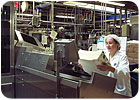
Generally, higher-complexity machines often have more pinch points which increase the possibility of greater safety concerns. For example, robotic machines used to prepare ready-to-eat meals move extremely quick and repetitively-which may increase the potential of a hazard to the worker.
Food manufacturers must work with machine builders to design safety into all their machines-from relatively simple devices to highly complex systems-and thereby help maintain worker safety. Successful machine designs should require employees to take proper precautions such as putting the machine into a predetermined safe state before they are allowed to access hazardous areas. A risk assessment will help identify where the machine or system has potential hazards and pinpoint recommendations for safety improvements.
A growing number of food manufacturers are turning to a concept known as “Zone Control” as a tool for increasing production while helping maintain worker safety.
Employing Zone Control as a safety practice can help manufacturers create safer areas that allow a portion of the production line to slow or stop while the rest of the line remains active. This allows safer entrance into the hazardous area of the equipment when a minor malfunction, obstruction, or even a pause in production occurs, without taking an entire line down. Zone Control helps return production to normal levels quicker, and helps promote safety while also helping a plant remain productive.
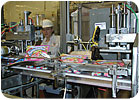
Besides Safety PLCs, other products are helping increase safety. For example, special safety mats can shut down a machine when a worker stands on the device, and interlock switches can shut down a machine if a gate or door is open.
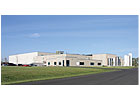
Safer working environments are more productive. Employees have higher job satisfaction, and are more motivated to help the company achieve its goals.
To help ensure safety is considered at all stages of the manufacturing process and at the lowest installed cost, manufacturers need to start at the design and planning stages of a plant expansion. Whether it’s a design engineer building a machine, a plant manager overseeing operations or an employee operating a machine, it’s every employer’s responsibility-and every worker’s right-to work in a safe environment.
Watch for a Featured Dairy Plant in February and an article on Plant and Product Security in March.
The drive toward a new era in safety comes both from OEMs and large manufacturers. OEMs have begun to realize that it is better business to design and build machines that comply globally, rather than build one set of machines for European standards and another according to U.S. regulations.
Large manufacturing companies also have pushed for machines that meet global standards, particularly when it comes to safety. International companies want to be able to utilize equipment and processes throughout the world, easing transitions once it’s moved across borders. It has to be ready to produce as soon as it is reassembled in a factory.
This movement, both by OEMs and manufacturers, is bringing the global economy to an even greater reality for the food industry.
To submit a bylined article in Dairy Foods’ Plant Operations section, contact Chief Editor David Phillips at phillipsd@dairyfoods.com or 630/694-4341.
A safe working environment can lead to increased job satisfaction, higher production, and insurance incentives.
Photo source: Nong Shim Foods, Inc., couresty of Food Engineering magazine.
Photo source: Nong Shim Foods, Inc., couresty of Food Engineering magazine.
With a strengthening economy, many North American dairy processors and other food manufacturers are poised to take advantage of new market growth, allocating funds to expand operations and in many cases build new plants to meet growing demand.
This comes after a long period in which more than a few manufacturers relied heavily on maintenance departments to keep aging machines and facilities up and running. Building a new facility in this day and age should involve more than simply ordering new machines and increasing the number of orders placed with suppliers. In today’s manufacturing environment, new facilities and even facility expansions should also include a careful evaluation of production methodologies, including a thorough analysis of safety processes and procedures.
In recent years, machine safety has become a key factor that not only results in safer employee working conditions, but can also improve productivity. Advances in safety products, technology, and methods have allowed machine manufacturers to assess the role of the safety system, and allow it to work together with, rather than against, the standard control system of the machine. For these reasons-and many others-safety considerations should play a significant role in building new facilities and expanding existing facilities. In fact there are both concrete and ethereal benefits to be realized, to the point that they might be factored into the return on investment of a plant construction project.
One of the best ways of assuring plant safety is by making it a priority during the design of new plants and plant expansions. Increasingly, food manufacturers are turning to a concept known as “Zone Control” as a tool for increasing production while helping maintain worker safety.
Photo courtesy of Upstate Farms.
Photo courtesy of Upstate Farms.
Where to start?
Before beginning any retrofit, expansion, or new facility construction, it’s important to start with a risk assessment conducted by a qualified safety engineer. A risk assessment helps identify the interactions between humans and machines that may pose a hazard-either during a machine malfunction or during normal operations. Such assessments provide an analysis of the potential hazards workers may be exposed to, and helps identify where safety improvements can be made.Generally, higher-complexity machines often have more pinch points which increase the possibility of greater safety concerns. For example, robotic machines used to prepare ready-to-eat meals move extremely quick and repetitively-which may increase the potential of a hazard to the worker.
Food manufacturers must work with machine builders to design safety into all their machines-from relatively simple devices to highly complex systems-and thereby help maintain worker safety. Successful machine designs should require employees to take proper precautions such as putting the machine into a predetermined safe state before they are allowed to access hazardous areas. A risk assessment will help identify where the machine or system has potential hazards and pinpoint recommendations for safety improvements.
A growing number of food manufacturers are turning to a concept known as “Zone Control” as a tool for increasing production while helping maintain worker safety.
Employing Zone Control as a safety practice can help manufacturers create safer areas that allow a portion of the production line to slow or stop while the rest of the line remains active. This allows safer entrance into the hazardous area of the equipment when a minor malfunction, obstruction, or even a pause in production occurs, without taking an entire line down. Zone Control helps return production to normal levels quicker, and helps promote safety while also helping a plant remain productive.
One of the best ways of assuring plant safety is by making it a priority during the design of new plants and plant expansions. Increasingly, food manufacturers are turning to a concept known as “Zone Control” as a tool for increasing production while helping maintain worker safety.
Photo courtesy of Upstate Farms.
Photo courtesy of Upstate Farms.
Implementing zone control
Manufacturers can often add Zone Control to the facility’s planning process by implementing Safety Programmable Logic Controllers (PLCs) throughout a control system. Safety PLCs represent a new step in the evolution of safety controls. Using Safety PLCs, engineers can program machines specifically with safety in mind-adding steps that enable Zone Control throughout a manufacturing line or process. Under current standards, Safety PLCs are now utilized and gaining wide acceptance across multiple applications in many different industries.Besides Safety PLCs, other products are helping increase safety. For example, special safety mats can shut down a machine when a worker stands on the device, and interlock switches can shut down a machine if a gate or door is open.
Planning for safety
While food manufacturers are required to create a safe working environment in order to meet government regulations like OSHA, the benefits of a safer facility go well beyond regulatory compliance issues.Safer working environments are more productive. Employees have higher job satisfaction, and are more motivated to help the company achieve its goals.
To help ensure safety is considered at all stages of the manufacturing process and at the lowest installed cost, manufacturers need to start at the design and planning stages of a plant expansion. Whether it’s a design engineer building a machine, a plant manager overseeing operations or an employee operating a machine, it’s every employer’s responsibility-and every worker’s right-to work in a safe environment.
Watch for a Featured Dairy Plant in February and an article on Plant and Product Security in March.
Sidebar: Manufacturing Safety Around the Globe
The trend toward globalization is beginning to make its way into machines on the plant floor, and as a result, OEMs are beginning to incorporate the “stricter” European standards into machines built for U.S.-based manufacturers. It should be noted, though, that U.S. safety standards are harmonizing with other global standards, resulting in common standards recognized throughout the world.The drive toward a new era in safety comes both from OEMs and large manufacturers. OEMs have begun to realize that it is better business to design and build machines that comply globally, rather than build one set of machines for European standards and another according to U.S. regulations.
Large manufacturing companies also have pushed for machines that meet global standards, particularly when it comes to safety. International companies want to be able to utilize equipment and processes throughout the world, easing transitions once it’s moved across borders. It has to be ready to produce as soon as it is reassembled in a factory.
This movement, both by OEMs and manufacturers, is bringing the global economy to an even greater reality for the food industry.
To submit a bylined article in Dairy Foods’ Plant Operations section, contact Chief Editor David Phillips at phillipsd@dairyfoods.com or 630/694-4341.
Looking for a reprint of this article?
From high-res PDFs to custom plaques, order your copy today!