Lab Talk: My Tea Party
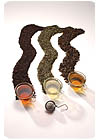
Photo courtesy of ARS USDA
Practically all of the world's tea is grown in places that require an American to have a passport to visit. That has not kept tea from being a very significant part of the American culture and diet. (For the record, there's only one tea producer in the United States-the Charleston Tea Plantation-which is located just outside Charleston, S.C. History indicates that many have tried and failed to grow Camellia sinensis in the United States, this plant, the source of all varieties of tea, only thrives in tropical and subtropical climates, rooted in sandy soil and bathed in heat, humidity and rain.)
From protesting "taxation without representation" at the Boston Tea Party, to inventing the tea bag and iced tea, Americans are into tea. Indeed, tea is the most widely consumed beverage in the world next to water.
In 2005, Americans consumed more than 50 billion servings of tea, or over 2.25 bil-lion gallons. About 87% of all tea consumed was black tea, 12.5% was green tea and a small remaining amount was oolong tea.
It's the ready-to-drink (RTD) stat that beverage manufacturers cannot afford to ignore. (That includes milk processors.) About 85% of tea consumed in America is iced. And during the past decade, RTD tea has grown nearly 10-fold, with 2005 RTD tea sales reaching about $2.4 billion. Strong, continuous growth is expected over the next five years. This growth will come from all segments driven by convenience (i.e., RTD), by interest in the healthy properties of tea and by the continued discovery of specialty tea.
Specialty tea is not herbal tea. To really be tea, the leaves must come from C. sinensis. There are about 4,000 varieties of real tea. Differences among the three most popular types of tea result from the various degrees of processing and the level of oxidization. Black tea is oxidized for up to four hours and oolong teas are oxidized for two to three hours. As a result, the tea leaves undergo natural chemical reactions, which result in taste and color changes, and allow for distinguishing characteristics. Green tea is not oxidized; after processing, it most closely resembles the chemical composition of the fresh tealeaf. Oolong tea is midway between black and green teas in strength and color.
Tea contains flavonoids, naturally occurring compounds that are believed to have antioxidant properties. Antioxidants work to neutralize free radicals, which scientists believe, are damaging to long-term health. Every day, new findings from the international scientific community lend credibility to tea's healthy properties.

773/463-2467
donnaberry@dairy-food.com
I am hooked, too. I have never been fond of hot tea, and for years, iced tea for me was a glass of Crystal Light. However, I have discovered what quality, unsweetened RTD tea can be. In fact, I order it over the Internet about twice a month. A specialty tea company sells 96-oz aseptic bag-in-box squares of delicious RTD unsweetened tea. If I buy eight, which totals just over $100, shipping is free. It's my own tea party!
Looking for a reprint of this article?
From high-res PDFs to custom plaques, order your copy today!