Dairy & Nutrition: Cheese in Diet and Health
Since the first cheese factory opened in the United States in 1851, the amount and variety of cheese consumed by Americans have continued to grow.
The total production of cheese in the United States reached a record high of 9.9 billion pounds in 2008, an increase of 2% over 2007, continuing a long-term upward trend. With more than 300 varieties of cheese sold in the United States, taste, convenience, variety, versatility of use and nutrient richness makes cheese popular with consumers. Cheese is an important source of essential nutrients, has several health benefits and is supported by government and health professional organizations for inclusion in a healthful diet.
Cheese is a concentrated source of some of milk’s nutrients. The nutritional value of cheese depends on the type of milk and dairy or non-dairy ingredients used, as well as the manufacturing process. Overall in 2005, cheese provided 27% of the calcium, 11% of the phosphorus, 9% of the protein, 9% of vitamin A and 7% of the zinc available in the U.S. food supply, yet only 3% of the calories.
Health aspects of cheese
Bone health: Many nutrients that support bone health – such as calcium, phosphorus, protein, magnesium, zinc and vitamin K – are found in cheese. Most cheeses are an “excellent source” of calcium, a nutrient limited in Americans’ diets, and a “good source” of high quality protein and phosphorus.
Gastrointestinal health: Because many cheeses, particularly hard aged cheeses, are high in calcium yet very low in lactose, the 2005 Dietary Guidelines for Americans, the National Medical Association and the American Academy of Pediatrics support cheese as a dairy option for people with lactose intolerance.
Dental health: The American Academy of Pediatric Dentistry and the American Dental Association recognize that cheese supports dental health. Cheese has been shown to stimulate saliva flow and inhibit plaque bacteria. In addition, the calcium and inorganic phosphate in cheese helps reduce demineralization and enhance remineralization of the tooth enamel.
Cardiovascular health: The total fat, saturated fat and cholesterol content of cheese, which is largely responsible for its flavor and texture, varies widely depending on the type of milk used to make the cheese. Total cheese contributes 5% of the fat, 11% of the saturated fat, and 7% of the cholesterol in the U.S. food supply. Current dietary recommendations are directed toward reducing the intake of saturated fats as a means to improve the overall health of the population.
However, cheese in moderation can be included in heart-healthy diets that meet total fat, saturated fat and sodium recommendations. For example, the Dietary Approaches to Stop Hypertension (DASH) dietary pattern, which is low in fat and includes two to three servings of low-fat and fat- free dairy foods (including reduced-fat cheese), and eight to 10 servings of fruits and vegetables a day, has been shown to reduce blood pressure and other risk factors for heart disease. The American Heart Association’s 2006 Diet and Lifestyle Recommendations to reduce cardiovascular disease offers the DASH diet as an example of a healthy eating pattern that meets AHA guidelines.
Innovation of cheese products
Through basic and applied research, Dairy Management Inc. is working to enhance the flavor, nutrition and functionality of cheese through innovation. (http://www.innovatewithdairy.com/Pages/Filterpage.aspx?Category=Product%20Research&Filter=Cheese )
DMI’s efforts focus on low-fat natural and process cheese, low- and reduced-sodium cheese, cheese with health-enhancing ingredients (omega-3s, probiotics, vitamin D) and Hispanic cheese.
Reducing fat and sodium in cheese, while maintaining safety and quality, continues to be a challenge for the dairy industry. Many consumers who currently restrict cheese in their diets say they would eat cheese more often if lower-fat products were available that didn’t compromise flavor, texture and meltability. While reduced-fat (25% reduction per reference amount) cheese and cheese reduced in sodium were introduced in the market with reasonable sales, consumer acceptance of low-fat, low-sodium and fat-free cheese has been limited.
Research findings provide consumers many good reasons to include cheese as part of a healthful diet. The dairy industry has an opportunity to expand the cheese market through innovation by producing cheeses with enhanced nutrition and health benefits.
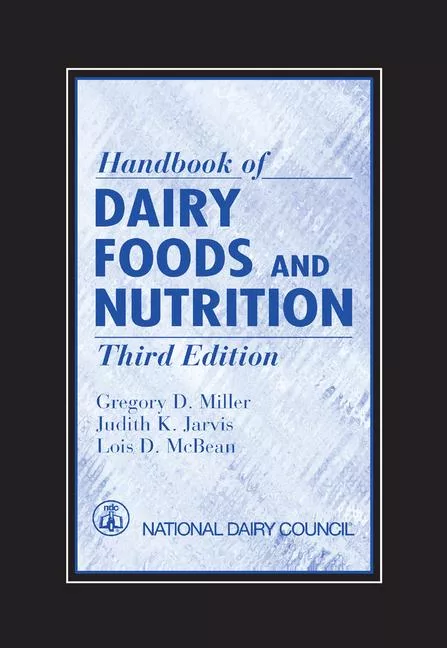
Judith Jarvis, MS, RD, is director of dairy science communications for the National Dairy Council. Gregory Miller, Ph.D., MACN, is a nutrition professional with the National Dairy Council/Dairy Management Inc.
The total production of cheese in the United States reached a record high of 9.9 billion pounds in 2008, an increase of 2% over 2007, continuing a long-term upward trend. With more than 300 varieties of cheese sold in the United States, taste, convenience, variety, versatility of use and nutrient richness makes cheese popular with consumers. Cheese is an important source of essential nutrients, has several health benefits and is supported by government and health professional organizations for inclusion in a healthful diet.
Cheese is a concentrated source of some of milk’s nutrients. The nutritional value of cheese depends on the type of milk and dairy or non-dairy ingredients used, as well as the manufacturing process. Overall in 2005, cheese provided 27% of the calcium, 11% of the phosphorus, 9% of the protein, 9% of vitamin A and 7% of the zinc available in the U.S. food supply, yet only 3% of the calories.
Health aspects of cheese
Bone health: Many nutrients that support bone health – such as calcium, phosphorus, protein, magnesium, zinc and vitamin K – are found in cheese. Most cheeses are an “excellent source” of calcium, a nutrient limited in Americans’ diets, and a “good source” of high quality protein and phosphorus.
Gastrointestinal health: Because many cheeses, particularly hard aged cheeses, are high in calcium yet very low in lactose, the 2005 Dietary Guidelines for Americans, the National Medical Association and the American Academy of Pediatrics support cheese as a dairy option for people with lactose intolerance.
Dental health: The American Academy of Pediatric Dentistry and the American Dental Association recognize that cheese supports dental health. Cheese has been shown to stimulate saliva flow and inhibit plaque bacteria. In addition, the calcium and inorganic phosphate in cheese helps reduce demineralization and enhance remineralization of the tooth enamel.
Cardiovascular health: The total fat, saturated fat and cholesterol content of cheese, which is largely responsible for its flavor and texture, varies widely depending on the type of milk used to make the cheese. Total cheese contributes 5% of the fat, 11% of the saturated fat, and 7% of the cholesterol in the U.S. food supply. Current dietary recommendations are directed toward reducing the intake of saturated fats as a means to improve the overall health of the population.
However, cheese in moderation can be included in heart-healthy diets that meet total fat, saturated fat and sodium recommendations. For example, the Dietary Approaches to Stop Hypertension (DASH) dietary pattern, which is low in fat and includes two to three servings of low-fat and fat- free dairy foods (including reduced-fat cheese), and eight to 10 servings of fruits and vegetables a day, has been shown to reduce blood pressure and other risk factors for heart disease. The American Heart Association’s 2006 Diet and Lifestyle Recommendations to reduce cardiovascular disease offers the DASH diet as an example of a healthy eating pattern that meets AHA guidelines.
Innovation of cheese products
Through basic and applied research, Dairy Management Inc. is working to enhance the flavor, nutrition and functionality of cheese through innovation. (http://www.innovatewithdairy.com/Pages/Filterpage.aspx?Category=Product%20Research&Filter=Cheese )
DMI’s efforts focus on low-fat natural and process cheese, low- and reduced-sodium cheese, cheese with health-enhancing ingredients (omega-3s, probiotics, vitamin D) and Hispanic cheese.
Reducing fat and sodium in cheese, while maintaining safety and quality, continues to be a challenge for the dairy industry. Many consumers who currently restrict cheese in their diets say they would eat cheese more often if lower-fat products were available that didn’t compromise flavor, texture and meltability. While reduced-fat (25% reduction per reference amount) cheese and cheese reduced in sodium were introduced in the market with reasonable sales, consumer acceptance of low-fat, low-sodium and fat-free cheese has been limited.
Research findings provide consumers many good reasons to include cheese as part of a healthful diet. The dairy industry has an opportunity to expand the cheese market through innovation by producing cheeses with enhanced nutrition and health benefits.
Judith Jarvis, MS, RD, is director of dairy science communications for the National Dairy Council. Gregory Miller, Ph.D., MACN, is a nutrition professional with the National Dairy Council/Dairy Management Inc.
Looking for a reprint of this article?
From high-res PDFs to custom plaques, order your copy today!