Cheese Trends Spotlight: An Appetite for Cheese
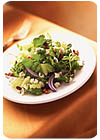
The American palate for cheese is changing. Consumers are leaving the sanctuary of traditional cheese varieties, such as mild Cheddar and Swiss, to indulge in more artisan, farmstead, ethnic and organic type cheeses.
As evidence, in Wisconsin, specialty cheese production rose by 9% in 2004 to 331 million lbs. In addition, the National Association for the Specialty Food Trade reports that nationwide sales of specialty cheese were up 29.1% in 2004 from 2002, to $905 million, excluding sales at Wal-Mart.
Americans are also consuming more cheese now than ever before with total U.S. per capita cheese consumption at an all time high of 31.2 lbs. A number of food trends are fueling the American love affair with cheese.
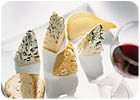
In the culinary world, everything from television cooking shows to dazzling restaurants, is feeding the American cheese obsession. Today's celebrity chefs feature sophisticated cheeses in their dishes and offer cheese courses on their menus. The courses are sometimes all-American, sometimes a mix of domestic and imported cheeses and sometimes flights, a concept that offers the same type of cheese at various ages. For instance, The American Club in Kohler, Wis., offers a Wisconsin Cheddar flight, with cheeses aged at intervals from 1 to 10 years old.
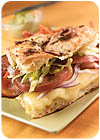
The latest "Eating Patterns in America" study from the NPD Group, reports that 51 billion sandwiches were consumed in the U.S. in 2004. From McDonald's, where the most popular item is still the double cheeseburger, to the upscale Solera restaurant in Denver, where Chef Goose Sorensen serves a panini with bacon, Wisconsin Brie and avocado mayonnaise, sandwiches and cheese are inseparable. MenuMonitor™, a new service from research firm Technomic, Inc., reports that the top 10 cheeses menued on sandwiches in 2005 were:
- Swiss
- Monterey Jack
- Cheddar
- Parmesan
- Provolone
- Blue
- Mozzarella
- Cream Cheese
- American
- Pepper Jack
NPD reports the number of meals purchased at a restaurant and eaten in the car has gone from 19 per person per year in 1985 to 32 per person today. Popular restaurants and some supermarkets are tapping this trend by adding drive-up or pick-up windows, adding yet another area of growth for fast-food meals that incorporate cheese.
The opportunities for cheese are endless. America's cheesemakers will continue to cultivate the country's passion for cheese by crafting unique and memorable specialty cheese products that engage today's educated cheese consumers. Wisconsin's cheesemakers have more than 160 years of cheesemaking experience and, with 500 varieties, types and styles of Wisconsin cheese to choose from, Wisconsin is committed to leading the nation's specialty cheese charge.
Looking for a reprint of this article?
From high-res PDFs to custom plaques, order your copy today!