Special Feature: Crossing the Line Know Your Limits
Where do we draw the line when it comes to dairy foods enhancements? When
is too much, really too much?Is adding
vitamins to an artificially sweetened carbonated soft drink responsible product
development?
These questions are being asked because functional foods have entered the
mainstream. The good news is that for dairy formulators, the opportunities to
add functional ingredients are more expansive than ever.

Where do we draw the line when it comes to dairy foods enhancements? When is too much, really too much?
At the recent All Star Dairy Association convention in Phoenix, Marianne Jennings, a professor in the department of management at the W.P. Carey School of Business at Arizona State University, addressed the audience on the topic of ethics. Her presentation got a lot of folks thinking. Is it ethical to keep the pen that the hotel provided during the meeting? Is it ethical to accept the king suite when you only paid for a double? Is it ethical to expense the restaurant check when it was your family you were feeding, not an industry relation? The list goes on.
It’s interesting how certain words-typically physical ones-carry the same meaning across all social, economic, racial and spiritual boundaries. For example, a tree is a tree, a dog is a dog and a book is a book. But there are words that carry individual definitions developed by life experiences. For example, the term “ethics” and its companion “morals” can mean different things to different people. And often times, when two people (or two companies) agree it means one thing-which it usually does not mean-it all of a sudden becomes acceptable.
Miriam-Webster defines ethics as responsibility and duty. Again, these are two somewhat ambiguous terms. Other sources say that ethics are a set of values defining right from wrong, serving as a guide to decisions relating to moral duty and obligations.
Many are questioning the ethics behind new Diet Coke Plus, a sparkling, calorie-free beverage with vitamins and minerals. It is a good source of vitamins B3, B6, and B12, and the minerals zinc and magnesium. But is a carbonated soft drink the product one should turn to for some of their daily dose of nutrients?

Although milk is fortified with vitamin D, other dairy products such as cheese, yogurt and ice cream are generally not. And unfortunately these days there are many Americans who avoid milk for varied reasons. Furthermore, only a limited number of other foods in the marketplace are fortified with vitamin D.
But it’s not just dietary reasons why vitamin D deficiency has once again surfaced. It also correlates to America’s increased use of sunscreen, as well as atmospheric and climatic changes. This is because the ultraviolet (UV) rays from the sun trigger vitamin D synthesis in the skin. Season, geographic latitude, time of day, cloud cover, smog and sunscreen all affect UV ray exposure and vitamin D synthesis. Thus, it is very important that Americans include good sources of vitamin D in their diet . . . and dairy foods other than milk are an ideal vehicle.
Indeed, it is estimated that as many as half of all Americans are deficient in vitamin D. Furthermore, current research indicates vitamin D deficiency goes beyond bone health. Deficiency has been shown to play a role in numerous cancers, heart disease, stroke, hypertension, diabetes, depression, chronic pain, osteoarthritis, osteoporosis, muscle weakness, muscle wasting, birth defects, periodontal disease and auto-immune diseases such as lupus.
If you are already adding vitamin D to fluid milk, now’s the time to start adding it to your other product lines. And let consumers know. Add enough to make a content claim on front labels.
The connection really stops there. But what’s interesting is how dairy foods have become one of the preferred foods in today’s marketplace for fish oil fortification.
Research suggests that not all fats are created equal, particularly when it comes to heart health. It is well established that dietary omega-3 polyunsaturated fatty acids are involved in health promotion and disease prevention, specifically the omega-3s traditionally derived from marine sources: docosahexaenoic acid (DHA) and eicosapentaenoic acid (EPA). DHA, particularly, serves as a primary building block for the brain and eyes and supports brain, eye and cardiovascular health throughout life. There is a large and growing body of scientific evidence demonstrating that people of all ages, from infants to aging adults, benefit from an adequate supply of DHA in their diets. Despite its importance, Americans have among the lowest dietary intakes of DHA omega-3 in the world. (It all goes back to those earlier bad fish experiences on Fridays.)
Here’s the great news for dairy processors-dairy foods are one of the best candidates for fortification with DHA ingredients. Because dairy foods are typically refrigerated or frozen, these lower temperatures help protect the polyunsaturated fat against oxidation during storage over time. Furthermore, milk proteins have been shown to provide added protection against oxidation in food products that have been fortified with omega-3s. Most dairy foods also provide the “minimal fat basis” needed to more easily incorporate omega-3 ingredients.
Scientists have been able to produce concentrated DHA ingredients through extraction from either fish oil or algae. “DHA is an ingredient that has been shown to provide important brain, eye and heart health benefits across the lifecycle and we are looking forward to making this nutrient more available to U.S. families,” says Chuck Marcy, president and CEO of Healthy Food Holdings, a management holding company focused on healthy, natural and organic products, and owners of the Breyers yogurt brand. Marcy says the company has plans to roll out DHA-fortified yogurts in the near future.
Joseph Scalzo, president and CEO of WhiteWave, a subsidiary of Dean Foods Co., Dallas, and marketers of the Horizon Organic brand, says, “Horizon Organic is the leading organic dairy brand with a proud history of pioneering in healthy, organic products and we look forward to the impact of this ingredient in enhancing our product offerings and once again pioneering our business into new arenas.”
It has been reported that Kraft believes functional foods could provide the leverage the company needs to differentiate its products from the private-label items that have eaten away at the company’s profit margins for years. The company first addressed digestive health with the roll out of LiveActive Cottage Cheese earlier in the year. Sold under the Breakstone’s and Knudsen brands, each 4-oz serving of low-fat LiveActive Cottage Cheese contains 3g of dietary fiber.
 “Maintaining a healthy digestive system is essential to a
person’s health and well-being,” says Jason Hecker, brand manager for cottage
cheese at Kraft. “Kraft is dedicated to meeting the growing demand for
nutritional benefits in food products, and LiveActive Cottage Cheese is just
one example of how we are working to provide healthier options for our
consumers.”
“Maintaining a healthy digestive system is essential to a
person’s health and well-being,” says Jason Hecker, brand manager for cottage
cheese at Kraft. “Kraft is dedicated to meeting the growing demand for
nutritional benefits in food products, and LiveActive Cottage Cheese is just
one example of how we are working to provide healthier options for our
consumers.”
The company did its homework before it got into the digestive health business. Kraft commissioned Impulse Research Corp., Los Angeles, to conduct the “Digestive News” survey in order to uncover Americans’ opinions of their dietary fiber intake, digestive health and food products that have digestive health benefits.
This February 2007 survey of 1,055 American adults (aged 20 and older) nationwide via the Internet showed that more than three-fourths (76%) of Americans find that incorporating dietary fiber into their diet is a challenge. Furthermore, 60% suffer from constipation or irregularity.
Not knowing which foods are high in fiber is the most commonly stated reason for low-fiber intake. Twenty-four percent of those surveyed think there aren’t enough high-fiber options available. Interestingly, despite having little knowledge about digestive health aides like prebiotics-78% are unfamiliar with the term-more than 70% of those surveyed said they are more likely to try new food products that offer a digestive health benefit.
Green Tea. The belief that consuming green tea confers health benefits is becoming increasingly stronger amongst Americans. This comes even after FDA refused a petition in May 2006 that would have allowed manufacturers of green tea to display labeling linking consumption of the popular ancient brew to a reduction in the risk for cardiovascular disease. In fact, not only are there a plethora of ready-to-drink green teas in the marketplace today, green tea is being used as a functional ingredient in a variety of dairy foods, including refrigerated and frozen yogurt, dairy smoothies and ice cream. Green tea is brewed from the leaves of Camellia sinensis, the same leaves that make black and oolong tea. The difference is that green tea is made from unfermented tea leaves.
 Lutein. This carotenoid is naturally
found in dark green leafy vegetables such as spinach, plus various fruits and
corn. Egg yolks are also sources of lutein. Lutein provides nutritional support
to the eyes and skin. It also promotes healthy eyes by reducing the risk of
macular degeneration. The Natural Marketing Institute’s Health and Wellness
Trends study shows that a growing number of consumers are interested in the health
benefits of lutein-fortified foods and beverages. Significant numbers of
consumers expressed a desire to purchase lutein-enriched foods and beverages to
prevent and treat eye and skin problems, and more than one in four consumers
say they would buy more of the brands and products they currently use if those
brands and products were enriched with lutein. Food and beverage companies are
showing greater interest in enriching their products with lutein in order to
serve this growing consumer need. This includes dairy marketers.
Lutein. This carotenoid is naturally
found in dark green leafy vegetables such as spinach, plus various fruits and
corn. Egg yolks are also sources of lutein. Lutein provides nutritional support
to the eyes and skin. It also promotes healthy eyes by reducing the risk of
macular degeneration. The Natural Marketing Institute’s Health and Wellness
Trends study shows that a growing number of consumers are interested in the health
benefits of lutein-fortified foods and beverages. Significant numbers of
consumers expressed a desire to purchase lutein-enriched foods and beverages to
prevent and treat eye and skin problems, and more than one in four consumers
say they would buy more of the brands and products they currently use if those
brands and products were enriched with lutein. Food and beverage companies are
showing greater interest in enriching their products with lutein in order to
serve this growing consumer need. This includes dairy marketers.
Plant Sterols and Stanols. Plant sterols and stanols have been added to a variety of food products worldwide including margarine, salad dressings, yogurt and milk. Ingredient improvements now allow for them to be added, with no adverse impact on taste or texture, to such foods as orange juice, cheese and dairy substitutes. FDA has approved a health claim for plant sterol/stanol ester consumption and reducing the risk of coronary heart disease.
 Satiety. Satiety is not a functional
ingredient; rather it is a state of being. A variety of ingredients-ranging from
specialty fats, fibers, proteins and starches-can contribute to satiety, which
is the state of being full or gratified to the point of satisfaction.
Scientific studies indicate that satiety is dependant on not only how much food
you eat, but what type of food you eat as well. Satiety is being addressed on
food labels with synonymous terms such as “hearty” and “controls or reduces
hunger.”
Satiety. Satiety is not a functional
ingredient; rather it is a state of being. A variety of ingredients-ranging from
specialty fats, fibers, proteins and starches-can contribute to satiety, which
is the state of being full or gratified to the point of satisfaction.
Scientific studies indicate that satiety is dependant on not only how much food
you eat, but what type of food you eat as well. Satiety is being addressed on
food labels with synonymous terms such as “hearty” and “controls or reduces
hunger.”
Satiety involves a process that occurs in the small intestine called the “ileal brake mechanism,” which is an important regulator of gastrointestinal function. Unabsorbed nutrients in the ileum, which is the final section of the small intestine, inhibit gastric emptying, providing a sense of satiety. Fat, in particular, penetrates the ileum when a person has eaten too much for the body to process. When this happens the ileum triggers a “full” message to the brain.
That full message is the result of the secretion of cholecystokinin (CCK), a peptide hormone of the gastrointestinal system responsible for stimulating the digestion of fat and protein. It is secreted by the duodenum, the first segment of the small intestine, and causes the release of digestive enzymes and bile from the pancreas and gall bladder, respectively.
Scientists are experimenting with ways to delay gastric emptying to prolong the sensation of fullness. They are also exploring ways to trick the ileum into thinking it is full, and thus helping dieters stop before reaching for a second helping.
Hmm. Is tricking the brain an ethical thing to do? There’s likely enough folks out there who would say it’s OK, so it must be.
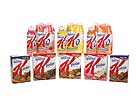
In case you have not noticed, dairy proteins are showing up in an array of foods and beverages these days. Most notably, the Kellogg Co., Battle Creek, Mich., has expanded its Special K cereal brand to a line of enhanced waters, meal bars and snack bars. Their dominating feature: whey proteins.
The Special K20 Protein Waters deliver 5g of protein per 16-oz bottle with 50 calories. Special K20 is available in three flavors: Strawberry Kiwi, Lemon Twist and Tropical Blend. Suggested retail price for four 16-oz bottles is $5.99. Special K Protein Meal Bars come in Chocolate Peanut Butter, Double Chocolate and Strawberry. Each bar has 10g of protein, 190 calories and is a good source of 13 vitamins and minerals and an excellent source of calcium. Suggested retail price for a box of six bars is $5.98, or $1.29 for an individual bar. Special K Protein Snack Bars contain 110-calories per bar, 4g of protein and are a good source of nine vitamins and minerals. They are available in Chocolate Peanut and Chocolate Delight. Suggested retail price for a box of six bars is $3.99, or 89 cents for an individual bar.
Dairy Foods talked with some of the leading dairy protein suppliers in today’s marketplace to find out the latest and greatest. Here’s what they had to say.
Dairy Foods: Thanks to the Kellogg Co.’s introduction of Special K2O protein water, dairy protein beverages are now officially in mainstream America. In fact, the Special K brand gives dairy proteins a slight female edge, as dairy proteins, specifically whey, have historically been marketed to the male body-building industry. What do you see in the future for dairy proteins?
Maxwell: The future for dairy proteins is quite bright; especially whey proteins. In many high-acid beverages, whey proteins are the best protein for formulating these drinks. Not only is there the successful introduction of Kellogg’s K20 Protein waters, but there’s the impending introduction of Cadbury Schweppe’s Accelerade in the isotonic sports beverage market. These two mainstream introductions of protein-fortified beverages have many large beverage companies looking at protein fortification of energy beverages, juices, teas, coffees and even carbonated soft drinks. The introduction of these beverages should stimulate further interest in protein-fortified dairy products, which is where protein fortification of beverages had its first surge in growth.
Olson: Dairy proteins have a bright future in functional foods and beverages as research continues to emerge regarding their health benefits. Some specific examples include whey protein isolate for general health and immunity for children, adults and the elderly population, as well as the well tapped-into sports nutrition market. Whey protein isolate is a high-quality source of protein with a clean, bland flavor. There’s also increased interest in using hydrolyzed whey proteins that contain angiotensin-converting enzyme (ACE)-inhibiting peptides in a range of dairy products. They have been clinically proven to improve cardiovascular health by helping to maintain healthy blood pressure and cholesterol levels. Recently we have started seeing purified alpha-lactalbumin, which is rich in tryptophan, being used in dairy products. And, let’s not forget the use of purified glycomacropeptide in dairy products designed for weight management.
Rippe: Individual dairy proteins such as nonfat dry milk, casein, whey and whey protein concentrate have been important components in grocery store foods for a number of years, but most consumers didn’t pay attention to them because they were just dairy ingredients. A change is taking place due to recognition of benefits. Combining positive health information and continued development of functionality, dairy proteins are in demand across the board in beverages, as well as processed and natural foods. The future is bright. Nutrition and functionality will continue to lead the way. Foods will highlight their dairy protein content and consumers will enjoy the benefit of excellent nutrition, flavor and texture.
Dairy Foods: Please provide the readers of Dairy Foods some specific formulating suggestions.
Olson: Davisco offers unique purified whey protein ingredients for dairy applications.
 BiPro whey protein isolate contains 98% protein on a dry
weight basis, is fully soluble over a wide pH range and is ideal for high-acid
beverages, smoothies and neutral pH beverages. The typical use level of
BiPro in beverages is 1% to 10%, depending on the desired nutritional profile
of the finished product. The high level of protein in BiPro, and low
levels of lactose and fat, makes it easy to achieve nutrient content claims for
protein, such as “good source of protein” for 5g protein per serving and “excellent
source of protein” for 10g protein per serving, as well as low-fat and
low-carbohydrate claims.
BiPro whey protein isolate contains 98% protein on a dry
weight basis, is fully soluble over a wide pH range and is ideal for high-acid
beverages, smoothies and neutral pH beverages. The typical use level of
BiPro in beverages is 1% to 10%, depending on the desired nutritional profile
of the finished product. The high level of protein in BiPro, and low
levels of lactose and fat, makes it easy to achieve nutrient content claims for
protein, such as “good source of protein” for 5g protein per serving and “excellent
source of protein” for 10g protein per serving, as well as low-fat and
low-carbohydrate claims.
BioZate 1 hydrolyzed whey protein has been proven in human clinical studies conducted at the University of Minnesota and published in the Journal of Clinical Hypertension to reduce blood pressure, reduce cholesterol and reduce C-reactive protein, which is an indication of inflammation within the body. BioZate 1 is an ideal addition to dairy products targeted for cardiovascular health. BioPure-Alphalactalbumin is Davisco’s purified alpha-lactalbumin that contains a minimum of 90% alpha-lactalbumin on a protein basis. BioPure-Alphalactalbumin contains the highest level of tryptophan naturally available from a protein source, at 4.4g tryptophan per 100g powder. Tryptophan is the precursor to serotonin in the brain and is associated with many health benefits, including improved sleep, memory, mood, etc. BioPure-GMP is Davisco’s purified glycomacropeptide (GMP) that contains a purified source of GMP and approximately 8.5% sialic acid. BioPure-GMP is also very low in the amino acid phenylalanine, which makes it an ideal protein source for foods and beverages designed for people with phenylketonuria.
Rippe: Main Street Ingredients has extensive experience in the addition of dairy proteins to beverages. For dry mix drinks, our Cornerstone instantized Whey Protein Isolate RT-90 and Whey Protein Concentrate RT-80 provides exceptional dispersion and solubility. These can be combined with any of our Cornerstone milk proteins, caseinates or other proteins to provide a custom nutritional blend. We have a series of Cornerstone heat-stable dairy proteins for ready to drink HTST, UHT or retort blends. With our expertise in proteins and hydrocolloids, Main Street Ingredients has developed applications for healthy options in frozen desserts that highlight use of our Cornerstone FWP functional whey proteins to impart a smooth texture to protein-enhanced products. Our Keystone Smoothbites systems for water ice or fruit bars can be the base for converting a nutritional beverage concept into a frozen novelty. For healthier, lower-fat, protein-enhanced options in ice cream, Keystone Prime Churn systems are designed to deliver premium texture and shelf stability with traditional equipment. Our in-house research into optimizing formulations for the new “churn” technology in ice cream has resulted in the development of the high-protein Keystone system, which provides exceptional texture and shelf stability. Our Cornerstone FWP line of functional whey proteins are designed for enhanced water binding and gelation characteristics. Combined with our other proteins and functional ingredients, we can create unique systems for applications including cottage cheese dressings, sour cream or cultured toppings, dips and cheese sauces, yogurts, puddings, and whipped and instant desserts.
Maxwell: Glanbia’s Thermax 70 is a concentrated whey protein designed to give additional heat stability at pH 6.8 to 7.0. It is ideal for UHT processing. It also works well in all milk-based ready-to-drink beverages where it provides a great creamy flavor. TruCal is a 100% natural source of calcium, as it is extracted from milk. It delivers the correct mineral balance, including trace minerals for optimal bone growth and maintenance. TruCal is ideal for incorporating additional calcium into dairy foods including all types of beverages, particularly meal replacements. TruCal has a bland flavor, comes as a clean white powder, is stable at pH less than 4.0 and is easy to suspend at neutral pH.
Dairy Foods: What are the most recent technological advancements your company has invested in in order to provide the food and beverage industries with the highest quality dairy proteins possible…of course, in the most affordable and efficient way possible?
Rippe: Main Street Ingredients has a functional protein solution to any food application. Our technical group has the expertise to design and create prototypes for a broad range of beverages, ice cream and food products to maximize nutritional value, shelf stability and product appeal. We offer state-of-the-art agglomeration to instantize proteins or protein blends with versatility in designing particle density and hardness. For unique instantizing, our fluidized bed emulsion coating process can be non-soy and encapsulate flavors and/or functional ingredients onto protein. This becomes a flexible and cost-effective method of instantizing proteins, as smaller batch sizes are possible.
Maxwell: The most recent technological advancement for Glanbia has been the development of Provon A-190, a whey protein isolate system that allows for the formulation of better-tasting, high-acid beverages fortified with protein. There have long been issues with flavor and astringency in these beverages. A-190 reduces the astringency and results in beverages that taste and look great. No longer do developers have to be satisfied with protein-fortified beverages that taste adequate. These beverages taste great, which is what today’s consumer demands-not just healthy beverages, but great-tasting healthy beverages.
Olson: Davisco continues to develop process technology to commercially isolate whey protein components at the highest level of purity in the industry. These purified whey protein ingredients can then be used for targeted nutritional and functional applications.
Dairy Foods: Readers, it sounds like the opportunities are endless. Good luck innovating!
Dairy Foods Spoke With:
Max Maxwell, business development manager, Glanbia Nutritionals
Polly Olson, vice president of sales, marketing and business development, Davisco Foods International Inc.
Jill Rippe, director research & development, Main Street Ingredients
 The company’s thought process is, “Consumers, including Diet Coke
drinkers, are
increasingly looking for more beverage options, and we wanted to offer
them the
convenience of a cal-orie-free beverage that is a good source of
several
essential vitamins and minerals, and one that delivers on the great
taste that
they have come to expect from us,” says Katie Bayne, senior v.p., The
Coca-Cola
Co., Atlanta.
The company’s thought process is, “Consumers, including Diet Coke
drinkers, are
increasingly looking for more beverage options, and we wanted to offer
them the
convenience of a cal-orie-free beverage that is a good source of
several
essential vitamins and minerals, and one that delivers on the great
taste that
they have come to expect from us,” says Katie Bayne, senior v.p., The
Coca-Cola
Co., Atlanta.
Marion Nestle, professor of nutrition, food studies and public health at New York University, and author of the book What to Eat, says, “I can only think of one reason for adding vitamins to Diet Coke-marketing. It has nothing to do with health.”
So where do we draw the line? “When fortifying foods with better-for-you or energy-enhancing ingredients, it is important to make sure that the ingredient in the application makes sense to consumers,” says Barbara Katz, president, HealthFocus International, St. Petersburg, Fla. “A high-protein jelly bean won’t put jelly beans on the breakfast menu, and moms won’t be buying caffeine-infused string cheese for the soccer team’s snack.
“Adding vitamins and minerals to milk beverages makes a great deal of sense,” adds Katz. “And, of course, dairy is where probiotics are expected.”
Fergus Clydesdale, distinguished professor and department head at the University of Massachusetts recently told Forbes, “There’s a finite volume in the stomach and everybody is vying for that volume. One way to try to get a part of the share of that volume is to offer something that has some health benefit.”
People disenchanted with the medical system are also looking for more ways to control their destiny, said Clydesdale. They’re using food to do it.
Forbes identified nine super-nutritious foods: 1) omega-3 fatty acids, 2) green tea, 3) vitamin D, 4) probiotics, 5) plant sterols and stanols, 6) vitamin C, 7) fiber, 8) whey protein and 9) vitamin E. (Forbes.com, March 14, 2007)
“All except one-vitamin C-are either dairy related, or can be used in the formulation of dairy foods,” says Lori Hoolihan, registered dietitian and nutrition research specialist with the Dairy Council of California’s Functional Food Task Force. “Dairy foods are an ideal delivery vehicle for functional ingredients. However, dairy foods manufacturers must be responsible when formulating and marketing such products by letting consumers know what health benefits may be associated with the added ingredient(s). In addition, the consumer needs to understand that these healthy, functional dairy foods still contain calories. Consumers cannot assume they can have as much as they want, just because the product is enhanced or fortified.”
The following is a brief description of some of Forbes’ nine nutritious-super foods, as well as other functional ingredients that make sense for dairy foods.
Where do we draw the line when it comes to dairy foods enhancements? When is too much, really too much?
At the recent All Star Dairy Association convention in Phoenix, Marianne Jennings, a professor in the department of management at the W.P. Carey School of Business at Arizona State University, addressed the audience on the topic of ethics. Her presentation got a lot of folks thinking. Is it ethical to keep the pen that the hotel provided during the meeting? Is it ethical to accept the king suite when you only paid for a double? Is it ethical to expense the restaurant check when it was your family you were feeding, not an industry relation? The list goes on.
It’s interesting how certain words-typically physical ones-carry the same meaning across all social, economic, racial and spiritual boundaries. For example, a tree is a tree, a dog is a dog and a book is a book. But there are words that carry individual definitions developed by life experiences. For example, the term “ethics” and its companion “morals” can mean different things to different people. And often times, when two people (or two companies) agree it means one thing-which it usually does not mean-it all of a sudden becomes acceptable.
Miriam-Webster defines ethics as responsibility and duty. Again, these are two somewhat ambiguous terms. Other sources say that ethics are a set of values defining right from wrong, serving as a guide to decisions relating to moral duty and obligations.
Many are questioning the ethics behind new Diet Coke Plus, a sparkling, calorie-free beverage with vitamins and minerals. It is a good source of vitamins B3, B6, and B12, and the minerals zinc and magnesium. But is a carbonated soft drink the product one should turn to for some of their daily dose of nutrients?
Is adding vitamins to an artificially sweetened carbonated soft drink
responsible product development?
The original fortified food, and it's not cola
Enhancing food products, particularly dairy foods, is by no means new news. Milk processors have been fortifying fluid milk with vitamin D since the 1930s to prevent rickets, a disease caused by a vitamin D deficiency and characterized by defective bone growth in children.Although milk is fortified with vitamin D, other dairy products such as cheese, yogurt and ice cream are generally not. And unfortunately these days there are many Americans who avoid milk for varied reasons. Furthermore, only a limited number of other foods in the marketplace are fortified with vitamin D.
But it’s not just dietary reasons why vitamin D deficiency has once again surfaced. It also correlates to America’s increased use of sunscreen, as well as atmospheric and climatic changes. This is because the ultraviolet (UV) rays from the sun trigger vitamin D synthesis in the skin. Season, geographic latitude, time of day, cloud cover, smog and sunscreen all affect UV ray exposure and vitamin D synthesis. Thus, it is very important that Americans include good sources of vitamin D in their diet . . . and dairy foods other than milk are an ideal vehicle.
Indeed, it is estimated that as many as half of all Americans are deficient in vitamin D. Furthermore, current research indicates vitamin D deficiency goes beyond bone health. Deficiency has been shown to play a role in numerous cancers, heart disease, stroke, hypertension, diabetes, depression, chronic pain, osteoarthritis, osteoporosis, muscle weakness, muscle wasting, birth defects, periodontal disease and auto-immune diseases such as lupus.
If you are already adding vitamin D to fluid milk, now’s the time to start adding it to your other product lines. And let consumers know. Add enough to make a content claim on front labels.
Milk and fish, quite the duo
Years ago, eating fish was seldom a pleasant experience, and for many, it was viewed as a Friday Lenten sacrifice, especially in the Midwest where canned tuna, fish sticks and frozen “white” fish were the only options. To overcome that frozen oxidized fishy taste, home cooks soaked the fish in . . . you guessed it, milk.The connection really stops there. But what’s interesting is how dairy foods have become one of the preferred foods in today’s marketplace for fish oil fortification.
Research suggests that not all fats are created equal, particularly when it comes to heart health. It is well established that dietary omega-3 polyunsaturated fatty acids are involved in health promotion and disease prevention, specifically the omega-3s traditionally derived from marine sources: docosahexaenoic acid (DHA) and eicosapentaenoic acid (EPA). DHA, particularly, serves as a primary building block for the brain and eyes and supports brain, eye and cardiovascular health throughout life. There is a large and growing body of scientific evidence demonstrating that people of all ages, from infants to aging adults, benefit from an adequate supply of DHA in their diets. Despite its importance, Americans have among the lowest dietary intakes of DHA omega-3 in the world. (It all goes back to those earlier bad fish experiences on Fridays.)
Here’s the great news for dairy processors-dairy foods are one of the best candidates for fortification with DHA ingredients. Because dairy foods are typically refrigerated or frozen, these lower temperatures help protect the polyunsaturated fat against oxidation during storage over time. Furthermore, milk proteins have been shown to provide added protection against oxidation in food products that have been fortified with omega-3s. Most dairy foods also provide the “minimal fat basis” needed to more easily incorporate omega-3 ingredients.
Scientists have been able to produce concentrated DHA ingredients through extraction from either fish oil or algae. “DHA is an ingredient that has been shown to provide important brain, eye and heart health benefits across the lifecycle and we are looking forward to making this nutrient more available to U.S. families,” says Chuck Marcy, president and CEO of Healthy Food Holdings, a management holding company focused on healthy, natural and organic products, and owners of the Breyers yogurt brand. Marcy says the company has plans to roll out DHA-fortified yogurts in the near future.
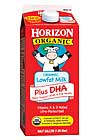
Joseph Scalzo, president and CEO of WhiteWave, a subsidiary of Dean Foods Co., Dallas, and marketers of the Horizon Organic brand, says, “Horizon Organic is the leading organic dairy brand with a proud history of pioneering in healthy, organic products and we look forward to the impact of this ingredient in enhancing our product offerings and once again pioneering our business into new arenas.”
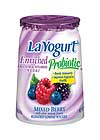
Adding vitamin D to yogurt should become the norm for dairy processors,
as research suggests that as many as half of Americans are deficient in vitamin
D.
Let's talk intestines-it's about time
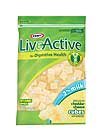
U.S. marketers are finally ready to talk about intestinal health. Leaders in yogurt have been aggressively touting the inclusion of probiotics for more than a year. And now, the number-one marketer of cheese-Kraft Foods Inc., Northfield, Ill.-brings these good-for-you bacteria to the natural cheese category. New Kraft LiveActive natural cheese with probiotics comes in cubes and individually wrapped sticks. For a comprehensive overview of probio-tics, visit www.thenibble.com/reviews/nutri/probiotic-food.asp.It has been reported that Kraft believes functional foods could provide the leverage the company needs to differentiate its products from the private-label items that have eaten away at the company’s profit margins for years. The company first addressed digestive health with the roll out of LiveActive Cottage Cheese earlier in the year. Sold under the Breakstone’s and Knudsen brands, each 4-oz serving of low-fat LiveActive Cottage Cheese contains 3g of dietary fiber.
Dean Foods’ Horizon Organic milk was recently formulated to include DHA.
The company did its homework before it got into the digestive health business. Kraft commissioned Impulse Research Corp., Los Angeles, to conduct the “Digestive News” survey in order to uncover Americans’ opinions of their dietary fiber intake, digestive health and food products that have digestive health benefits.
This February 2007 survey of 1,055 American adults (aged 20 and older) nationwide via the Internet showed that more than three-fourths (76%) of Americans find that incorporating dietary fiber into their diet is a challenge. Furthermore, 60% suffer from constipation or irregularity.
Not knowing which foods are high in fiber is the most commonly stated reason for low-fiber intake. Twenty-four percent of those surveyed think there aren’t enough high-fiber options available. Interestingly, despite having little knowledge about digestive health aides like prebiotics-78% are unfamiliar with the term-more than 70% of those surveyed said they are more likely to try new food products that offer a digestive health benefit.
Kraft LiveActive cheese products contain either probiotics or prebiotics
for digestive health.
What else is OK for dairies to try?
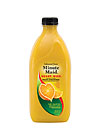
Glucosamine. Earlier this year, glucosamine was determined to be generally recognized as safe (GRAS) for specific food and beverage applications, including juices and dairy foods such as milk, flavored milk, smoothies and yogurts. The GRAS determination came after an independent evaluation by an expert panel of respected scientists. Almost immediately, Coca-Cola launched Minute Maid Active Pure Squeezed Orange Juice, which contains 750mg of glucosamine per serving. According to a company press release, two 8-fl-oz. servings deliver 1,500mg of glucosamine, which is the typical daily amount of glucosamine that has been demonstrated in clinical studies to be efficacious in helping support joint function. Joint health is a large (70 million U.S sufferers daily) and growing concern, especially as generations turn to more active lifestyles.Green Tea. The belief that consuming green tea confers health benefits is becoming increasingly stronger amongst Americans. This comes even after FDA refused a petition in May 2006 that would have allowed manufacturers of green tea to display labeling linking consumption of the popular ancient brew to a reduction in the risk for cardiovascular disease. In fact, not only are there a plethora of ready-to-drink green teas in the marketplace today, green tea is being used as a functional ingredient in a variety of dairy foods, including refrigerated and frozen yogurt, dairy smoothies and ice cream. Green tea is brewed from the leaves of Camellia sinensis, the same leaves that make black and oolong tea. The difference is that green tea is made from unfermented tea leaves.
Juices, as well as numerous dairy products, are ideal delivery vehicles
for recently GRAS-approved glucosamine (for joint health), as well as plant
sterols and stanols, which have been shown to reduce the risk of coronary heart
disease.
Plant Sterols and Stanols. Plant sterols and stanols have been added to a variety of food products worldwide including margarine, salad dressings, yogurt and milk. Ingredient improvements now allow for them to be added, with no adverse impact on taste or texture, to such foods as orange juice, cheese and dairy substitutes. FDA has approved a health claim for plant sterol/stanol ester consumption and reducing the risk of coronary heart disease.
Ingredients that provide satiety-the feeling of fullness-will be showing
up in more and more products, particularly dairy-based meal replacement
beverages.
Satiety involves a process that occurs in the small intestine called the “ileal brake mechanism,” which is an important regulator of gastrointestinal function. Unabsorbed nutrients in the ileum, which is the final section of the small intestine, inhibit gastric emptying, providing a sense of satiety. Fat, in particular, penetrates the ileum when a person has eaten too much for the body to process. When this happens the ileum triggers a “full” message to the brain.
That full message is the result of the secretion of cholecystokinin (CCK), a peptide hormone of the gastrointestinal system responsible for stimulating the digestion of fat and protein. It is secreted by the duodenum, the first segment of the small intestine, and causes the release of digestive enzymes and bile from the pancreas and gall bladder, respectively.
Scientists are experimenting with ways to delay gastric emptying to prolong the sensation of fullness. They are also exploring ways to trick the ileum into thinking it is full, and thus helping dieters stop before reaching for a second helping.
Hmm. Is tricking the brain an ethical thing to do? There’s likely enough folks out there who would say it’s OK, so it must be.
The new Special K drinks and bars use whey protein isolate as their one
and only source of protein.
Sidebar: Dairy Proteins . . . They Are Showing Up Everywhere
By Donna Berry, Product Development EditorIn case you have not noticed, dairy proteins are showing up in an array of foods and beverages these days. Most notably, the Kellogg Co., Battle Creek, Mich., has expanded its Special K cereal brand to a line of enhanced waters, meal bars and snack bars. Their dominating feature: whey proteins.
The Special K20 Protein Waters deliver 5g of protein per 16-oz bottle with 50 calories. Special K20 is available in three flavors: Strawberry Kiwi, Lemon Twist and Tropical Blend. Suggested retail price for four 16-oz bottles is $5.99. Special K Protein Meal Bars come in Chocolate Peanut Butter, Double Chocolate and Strawberry. Each bar has 10g of protein, 190 calories and is a good source of 13 vitamins and minerals and an excellent source of calcium. Suggested retail price for a box of six bars is $5.98, or $1.29 for an individual bar. Special K Protein Snack Bars contain 110-calories per bar, 4g of protein and are a good source of nine vitamins and minerals. They are available in Chocolate Peanut and Chocolate Delight. Suggested retail price for a box of six bars is $3.99, or 89 cents for an individual bar.
Dairy Foods talked with some of the leading dairy protein suppliers in today’s marketplace to find out the latest and greatest. Here’s what they had to say.
Dairy Foods: Thanks to the Kellogg Co.’s introduction of Special K2O protein water, dairy protein beverages are now officially in mainstream America. In fact, the Special K brand gives dairy proteins a slight female edge, as dairy proteins, specifically whey, have historically been marketed to the male body-building industry. What do you see in the future for dairy proteins?
Maxwell: The future for dairy proteins is quite bright; especially whey proteins. In many high-acid beverages, whey proteins are the best protein for formulating these drinks. Not only is there the successful introduction of Kellogg’s K20 Protein waters, but there’s the impending introduction of Cadbury Schweppe’s Accelerade in the isotonic sports beverage market. These two mainstream introductions of protein-fortified beverages have many large beverage companies looking at protein fortification of energy beverages, juices, teas, coffees and even carbonated soft drinks. The introduction of these beverages should stimulate further interest in protein-fortified dairy products, which is where protein fortification of beverages had its first surge in growth.
Olson: Dairy proteins have a bright future in functional foods and beverages as research continues to emerge regarding their health benefits. Some specific examples include whey protein isolate for general health and immunity for children, adults and the elderly population, as well as the well tapped-into sports nutrition market. Whey protein isolate is a high-quality source of protein with a clean, bland flavor. There’s also increased interest in using hydrolyzed whey proteins that contain angiotensin-converting enzyme (ACE)-inhibiting peptides in a range of dairy products. They have been clinically proven to improve cardiovascular health by helping to maintain healthy blood pressure and cholesterol levels. Recently we have started seeing purified alpha-lactalbumin, which is rich in tryptophan, being used in dairy products. And, let’s not forget the use of purified glycomacropeptide in dairy products designed for weight management.
Rippe: Individual dairy proteins such as nonfat dry milk, casein, whey and whey protein concentrate have been important components in grocery store foods for a number of years, but most consumers didn’t pay attention to them because they were just dairy ingredients. A change is taking place due to recognition of benefits. Combining positive health information and continued development of functionality, dairy proteins are in demand across the board in beverages, as well as processed and natural foods. The future is bright. Nutrition and functionality will continue to lead the way. Foods will highlight their dairy protein content and consumers will enjoy the benefit of excellent nutrition, flavor and texture.
Dairy Foods: Please provide the readers of Dairy Foods some specific formulating suggestions.
Olson: Davisco offers unique purified whey protein ingredients for dairy applications.
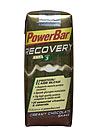
The new PowerBar
Recovery Rebuild shakes contain 13g of protein per 10.6-oz package. Ingredient
statements indicate that there are only two sources of protein: nonfat milk and
complete milk protein. Front labels flag that the protein is “high-quality,
complete in amino acids.”
BioZate 1 hydrolyzed whey protein has been proven in human clinical studies conducted at the University of Minnesota and published in the Journal of Clinical Hypertension to reduce blood pressure, reduce cholesterol and reduce C-reactive protein, which is an indication of inflammation within the body. BioZate 1 is an ideal addition to dairy products targeted for cardiovascular health. BioPure-Alphalactalbumin is Davisco’s purified alpha-lactalbumin that contains a minimum of 90% alpha-lactalbumin on a protein basis. BioPure-Alphalactalbumin contains the highest level of tryptophan naturally available from a protein source, at 4.4g tryptophan per 100g powder. Tryptophan is the precursor to serotonin in the brain and is associated with many health benefits, including improved sleep, memory, mood, etc. BioPure-GMP is Davisco’s purified glycomacropeptide (GMP) that contains a purified source of GMP and approximately 8.5% sialic acid. BioPure-GMP is also very low in the amino acid phenylalanine, which makes it an ideal protein source for foods and beverages designed for people with phenylketonuria.
Rippe: Main Street Ingredients has extensive experience in the addition of dairy proteins to beverages. For dry mix drinks, our Cornerstone instantized Whey Protein Isolate RT-90 and Whey Protein Concentrate RT-80 provides exceptional dispersion and solubility. These can be combined with any of our Cornerstone milk proteins, caseinates or other proteins to provide a custom nutritional blend. We have a series of Cornerstone heat-stable dairy proteins for ready to drink HTST, UHT or retort blends. With our expertise in proteins and hydrocolloids, Main Street Ingredients has developed applications for healthy options in frozen desserts that highlight use of our Cornerstone FWP functional whey proteins to impart a smooth texture to protein-enhanced products. Our Keystone Smoothbites systems for water ice or fruit bars can be the base for converting a nutritional beverage concept into a frozen novelty. For healthier, lower-fat, protein-enhanced options in ice cream, Keystone Prime Churn systems are designed to deliver premium texture and shelf stability with traditional equipment. Our in-house research into optimizing formulations for the new “churn” technology in ice cream has resulted in the development of the high-protein Keystone system, which provides exceptional texture and shelf stability. Our Cornerstone FWP line of functional whey proteins are designed for enhanced water binding and gelation characteristics. Combined with our other proteins and functional ingredients, we can create unique systems for applications including cottage cheese dressings, sour cream or cultured toppings, dips and cheese sauces, yogurts, puddings, and whipped and instant desserts.
Maxwell: Glanbia’s Thermax 70 is a concentrated whey protein designed to give additional heat stability at pH 6.8 to 7.0. It is ideal for UHT processing. It also works well in all milk-based ready-to-drink beverages where it provides a great creamy flavor. TruCal is a 100% natural source of calcium, as it is extracted from milk. It delivers the correct mineral balance, including trace minerals for optimal bone growth and maintenance. TruCal is ideal for incorporating additional calcium into dairy foods including all types of beverages, particularly meal replacements. TruCal has a bland flavor, comes as a clean white powder, is stable at pH less than 4.0 and is easy to suspend at neutral pH.
Dairy Foods: What are the most recent technological advancements your company has invested in in order to provide the food and beverage industries with the highest quality dairy proteins possible…of course, in the most affordable and efficient way possible?
Rippe: Main Street Ingredients has a functional protein solution to any food application. Our technical group has the expertise to design and create prototypes for a broad range of beverages, ice cream and food products to maximize nutritional value, shelf stability and product appeal. We offer state-of-the-art agglomeration to instantize proteins or protein blends with versatility in designing particle density and hardness. For unique instantizing, our fluidized bed emulsion coating process can be non-soy and encapsulate flavors and/or functional ingredients onto protein. This becomes a flexible and cost-effective method of instantizing proteins, as smaller batch sizes are possible.
Maxwell: The most recent technological advancement for Glanbia has been the development of Provon A-190, a whey protein isolate system that allows for the formulation of better-tasting, high-acid beverages fortified with protein. There have long been issues with flavor and astringency in these beverages. A-190 reduces the astringency and results in beverages that taste and look great. No longer do developers have to be satisfied with protein-fortified beverages that taste adequate. These beverages taste great, which is what today’s consumer demands-not just healthy beverages, but great-tasting healthy beverages.
Olson: Davisco continues to develop process technology to commercially isolate whey protein components at the highest level of purity in the industry. These purified whey protein ingredients can then be used for targeted nutritional and functional applications.
Dairy Foods: Readers, it sounds like the opportunities are endless. Good luck innovating!
Dairy Foods Spoke With:
Max Maxwell, business development manager, Glanbia Nutritionals
Polly Olson, vice president of sales, marketing and business development, Davisco Foods International Inc.
Jill Rippe, director research & development, Main Street Ingredients
Marion Nestle, professor of nutrition, food studies and public health at New York University, and author of the book What to Eat, says, “I can only think of one reason for adding vitamins to Diet Coke-marketing. It has nothing to do with health.”
So where do we draw the line? “When fortifying foods with better-for-you or energy-enhancing ingredients, it is important to make sure that the ingredient in the application makes sense to consumers,” says Barbara Katz, president, HealthFocus International, St. Petersburg, Fla. “A high-protein jelly bean won’t put jelly beans on the breakfast menu, and moms won’t be buying caffeine-infused string cheese for the soccer team’s snack.
“Adding vitamins and minerals to milk beverages makes a great deal of sense,” adds Katz. “And, of course, dairy is where probiotics are expected.”
Fergus Clydesdale, distinguished professor and department head at the University of Massachusetts recently told Forbes, “There’s a finite volume in the stomach and everybody is vying for that volume. One way to try to get a part of the share of that volume is to offer something that has some health benefit.”
People disenchanted with the medical system are also looking for more ways to control their destiny, said Clydesdale. They’re using food to do it.
Forbes identified nine super-nutritious foods: 1) omega-3 fatty acids, 2) green tea, 3) vitamin D, 4) probiotics, 5) plant sterols and stanols, 6) vitamin C, 7) fiber, 8) whey protein and 9) vitamin E. (Forbes.com, March 14, 2007)
“All except one-vitamin C-are either dairy related, or can be used in the formulation of dairy foods,” says Lori Hoolihan, registered dietitian and nutrition research specialist with the Dairy Council of California’s Functional Food Task Force. “Dairy foods are an ideal delivery vehicle for functional ingredients. However, dairy foods manufacturers must be responsible when formulating and marketing such products by letting consumers know what health benefits may be associated with the added ingredient(s). In addition, the consumer needs to understand that these healthy, functional dairy foods still contain calories. Consumers cannot assume they can have as much as they want, just because the product is enhanced or fortified.”
The following is a brief description of some of Forbes’ nine nutritious-super foods, as well as other functional ingredients that make sense for dairy foods.
Looking for a reprint of this article?
From high-res PDFs to custom plaques, order your copy today!