 RSS
RSS

Colors/Flavors

Simply red
Consumers prefer natural colors in flavored milks: survey
A natural red color is derived from lycopene extracted from tomatoes.
Read More
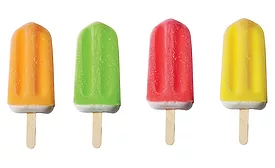
Tangled up in blue (and other natural colors)
There was a bumper crop of naturally derived blue colors at this summer’s IFT Expo. Suppliers tell how they help dairies formulate with clean-label colorants that also perform effectively in application.
Read More

Ingredient tradeshow
Ingredient producers highlight new sweeteners, flavors, colors and clean-label solutions at the 2016 IFT Show
Clean-label ingredient solutions was a big focus for manufacturers at this year’s IFT.
Read More

Getting the texture right with cultured dairy foods
Sweet and savory flavors draw a lot of attention to new cultured dairy foods.
Read More

Consumers are sweet on savory dairy products
Dairy processors are adding spicy peppers, herbs and other botanical ingredients to dairy foods. What’s going on? Our panel says consumers’ desire for more flavor, more stimulation and more experience is behind the trend.
Read More

