Dairy Foods logo
search
cart
facebook twitter linkedin youtube
  • Sign In
  • Create Account
  • Sign Out
  • My Account
Dairy Foods logo
  • NEWS
    • DAIRY REGULATIONS
  • PRODUCTS
    • New Products
    • Butter
    • Cheese
    • Cultured Dairy
    • Frozen Desserts
    • Ice Cream/Novelties
    • Milk
    • Non-Dairy Beverages
    • Sales Data
    • Whey, Milk Powder
    • Dairy Alternatives
  • INGREDIENTS
    • Cocoa
    • Colors/Flavors
    • Cultures/Enzymes
    • Fiber
    • Gums, Stabilizers, and Texturants
    • Inclusions
    • Omegas/Lipids
    • Prebiotics
    • Probiotics
    • Sweeteners
    • Other
  • OPERATIONS
    • SUSTAINABILITY
    • Equipment
    • Processing
    • Packaging
    • Food Safety & Sanitation
    • Membrane Technology
  • MEDIA
    • Dairy Foods TV
    • Podcasts
    • Webinars
  • DIRECTORIES
    • Buyers Guide
    • Dairy Plants USA
  • MEMBRANE FORUM
  • MORE
    • Associations
    • Dairy Foods' News & Views Newsletter
    • Blogs
    • Case Studies
    • Classifieds
    • Custom Content & Marketing Services
    • Dairy Foods Store
    • Market Research
    • Supplier Spotlights
    • Tradeshows and Events
    • Strategy Guides
  • AWARDS
    • Dairy Plant of the Year Award
    • Breakthrough Award
    • Dairy Processor of the Year
  • EMAGAZINE
    • eMagazines
    • Archive Issues
    • Contact
    • Advertise
    • SIGN UP!
    • Columnists
    • Dairy 100
    • State of the Industry Report
    Ingredients for Dairy Processors

    Lab Talk: "Standard" Barriers to Fortification
    By D. Berry
    May 1, 2005
    Did you know that there are currently 97 federal standards of identity for various dairy products out of a total of 262 standards for all foods, including dairy? The dairy industry has a disproportionate number-37%-and cheese has the largest proportion of the dairy standards. Even worse, few of the dairy standards have been updated to allow for advancements in formulating, processing or packaging.

    Milk is the perfect DHA carrier.
    Did you know that there are currently 97 federal standards of identity for various dairy products out of a total of 262 standards for all foods, including dairy? The dairy industry has a disproportionate number-37%-and cheese has the largest proportion of the dairy standards. Even worse, few of the dairy standards have been updated to allow for advancements in formulating, processing or packaging.

    "And old standards, without flexibility to be modernized, don't necessarily serve us well in a new global reality," according to Connie Tipton, president and CEO of IDFA. "The problem is, new products or processing technologies often do not fit the traditional definitions of standard dairy products . . . Such rules clearly restrict our options and restrain our innovation as a global dairy power . . ."

    Indeed, standards restrict options and innovation. Now granted, savvy marketers with supportive legal counsel manage to identify ways to overcome these barriers. For example, there are standards for "yogurt" (regular, whole milk), "lowfat yogurt" and "nonfat yogurt." The language of these three standards prevents yogurt from being a carrier of functional ingredients. A way to overcome this barrier is to label the product using a fanciful name and treat yogurt as an ingredient, rather than as the finished product. For example, the new product named "Dannon Light ‘n Fit® with Fiber" is described as "fiber blended with fruit and Light ‘n Fit nonfat yogurt."

    This month's special feature on functional foods indicates that dairy has a very promising role in this movement of formulating foods that provide a health benefit beyond basic nutrition. And as you can see from the Dannon example, there are ways to overcome the barriers established by the standards.

    Regarding the functional foods movement, there are some functional ingredients ideally suited for application in dairy foods. One such ingredient category is the omega-3s.

    "There is a lot of talk about omega-3s in fortified foods, but most consumers and manufacturers don't realize that not all omega-3s are created equal. In fact, saying a food is a good source of omega-3s is just as vague as saying a food is a good source of vitamins," says Beth Parker, public relations mgr., Martek Biosciences, Columbia, Md.

    Omega-3s are essential fatty acids. FDA has made available a qualified health claim suggesting a reduced risk of coronary heart disease with consuming conventional foods containing eicosapentaenoic acid (EPA) and docosahexaenoic acid (DHA) omega-3 fatty acids. Both of these omega-3s are found in concentrated sources in fatty fish. Alpha-linolenic acid (ALA), another omega-3, is found in plant-derived components such as flax seed, dark green leafy vegetables and certain vegetable oils. ALA can be converted in the human body to DHA and EPA. Consuming ALA is better than consuming no omega-3 at all, but the conversion process can be quite inefficient and unpredictable.

    Thus, consuming DHA and EPA directly is best for the body. This can be quite challenging, as most consumers are not willing to increase their intake of fatty fish. Why fatty fish? Well, first off, fish obtain omega-3s by consuming algae. And, because omega-3s are fatty acids, they are concentrated in fish that are fatty. Take note, the two most common sources of purified DHA and EPA ingredients are fish oil and algae, with the latter considered a vegan source for labeling purposes.

    "Because many people do not eat enough of the proper kinds of fish to supply significant levels of DHA and EPA, there is considerable interest in functional food products that are capable of delivering nutritionally meaningful levels of EPA and DHA," says Richard Weis, v.p. of business development, OmegaPure, Houston, Texas. "Dairy products are a good vehicle for delivering long chain omega-3s because they contain fat, which makes it easier to incorporate the EPA and DHA fatty acids into dairy applications. In addition, dairy products are refrigerated. This slows oxidation that can occur over time with any fat."

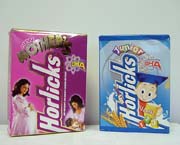
    As Parker said, most consumers don't realize that the omega-3s differ in their "functionality." Parents and caregivers are starting to understand the difference as a result of select infant formulas now made to contain DHA. DHA is a major structural fatty acid in the gray matter of the brain, as well as in the retina of the eye. DHA is also a key component of the heart, especially in the conducting tissue.

    Share This Story

    Looking for a reprint of this article?
    From high-res PDFs to custom plaques, order your copy today!

    D. Berry is a former freelance contributor to Dairy Foods.

    Recommended Content

    JOIN TODAY
    to unlock your recommendations.

    Already have an account? Sign In

    • Lifeway Organic Kefir in different flavors inside a refrigerated grocery shelf.

      Dairy Foods names Lifeway Foods 2025 Processor of the Year

      Lifeway Foods donates $10,000 to wildfire victims,...
      Innovation
      By: Brian Berk
    • Two female farmers are standing in a field, holding a large milk canister, looking at several cows at dairy farm.

      Honoring Women Leaders Shaping the Dairy Industry

      For the fourth consecutive year, Dairy Foods is proud to...
      Dairy Foods & Beverages
      By: Barbara Harfmann
    • Main feature for State of the Industry with dairy products album cover with a gradient circular--patterned backgorund.

      2025 State of the Dairy Industry

      Welcome to the 2025 State of the Industry report. For...
      Sales Data
    Manage My Account
    • eMagazine Subscription
    • Dairy Foods News & Views Newsletter
    • Online Registration
    • Manage My Preferences
    • Subscription Customer Service
    • Connect with Dairy Foods

    More Videos

    Popular Stories

    Close up of a whipped frozen dessert with a light green color.

    The keys to high-protein dairy formulations

    A young Asian mother holding her son and a sippy cup, an older woman is in the blurred background.

    Finding the right infant formula is crucial to a baby’s growth and development

    A row of Frios Gourmet Pops with a tie dye pattern as a background.

    How Frios Gourmet Pops delivers happiness

    Outlook Report: Women in Dairy

    Products

    Probiotic Ice Cream: Science and Technology

    Probiotic Ice Cream: Science and Technology

    See More Products
    Let's Talk Dairy podcast promo

    Related Articles

    • Lab Talk: From Whey to Witches

      See More
    • Lab Talk: The Whey to Sleep

      See More
    • Lab Talk: Add Chocolate to the List

      See More

    Related Products

    See More Products
    • icecream.gif

      Tharp & Young on Ice Cream: An Encyclopedic Guide to Ice Cream Science and Technology

    • From Milk By-Products to Milk Ingredients: Upgrading the Cycle

    • GlobalData_Consumer.jpg

      Milk (Dairy & Soy Food) Market in the United States of America - Outlook to 2024: Market Size, Growth and Forecast Analytics

    See More Products

    Related Directories

    • Whey To Go

    ×

    Stay ahead of the curve. Unlock a dose of cutting-edge insights.

    Receive our premium content directly to your inbox.

    SIGN-UP TODAY
    • RESOURCES
      • Advertise
      • Contact Us
      • Directories
      • Store
      • Want More
    • SIGN UP TODAY
      • Create Account
      • eMagazine
      • Newsletter
      • Customer Service
      • Manage Preferences
    • SERVICES
      • Marketing Services
      • Reprints
      • Market Research
      • List Rental
      • Survey/Respondent Access
    • STAY CONNECTED
      • LinkedIn
      • Facebook
      • YouTube
      • X (Twitter)
    • PRIVACY
      • PRIVACY POLICY
      • TERMS & CONDITIONS
      • DO NOT SELL MY INFORMATION
      • PRIVACY REQUEST
      • ACCESSIBILITY

    Copyright ©2026. All Rights Reserved BNP Media, Inc. and BNP Media II, LLC.

    Design, CMS, Hosting & Web Development :: ePublishing